13-year-old discovers new translucent species with dozens of ‘petal-like’ lips in Japan
In 2018, using only a mesh net, a 13-year-old student standing on the docks of Tanabe Bay in eastern Japan captured dozens of tiny creatures no bigger than a pen tip floating just below the surface of the Pacific Ocean.
Ryoya Sugimoto, a student at the University of Tokyo and jellyfish enthusiast, raised the specimens in his home, according to a March 3 news release from the National Oceanic and Atmospheric Administration.
As they grew into an unfamiliar shape, Sugimoto enlisted the help of Dr. Allen Collins, director of the National Systematics Laboratory and “one of the world’s leading jellyfish experts,” NOAA officials said.
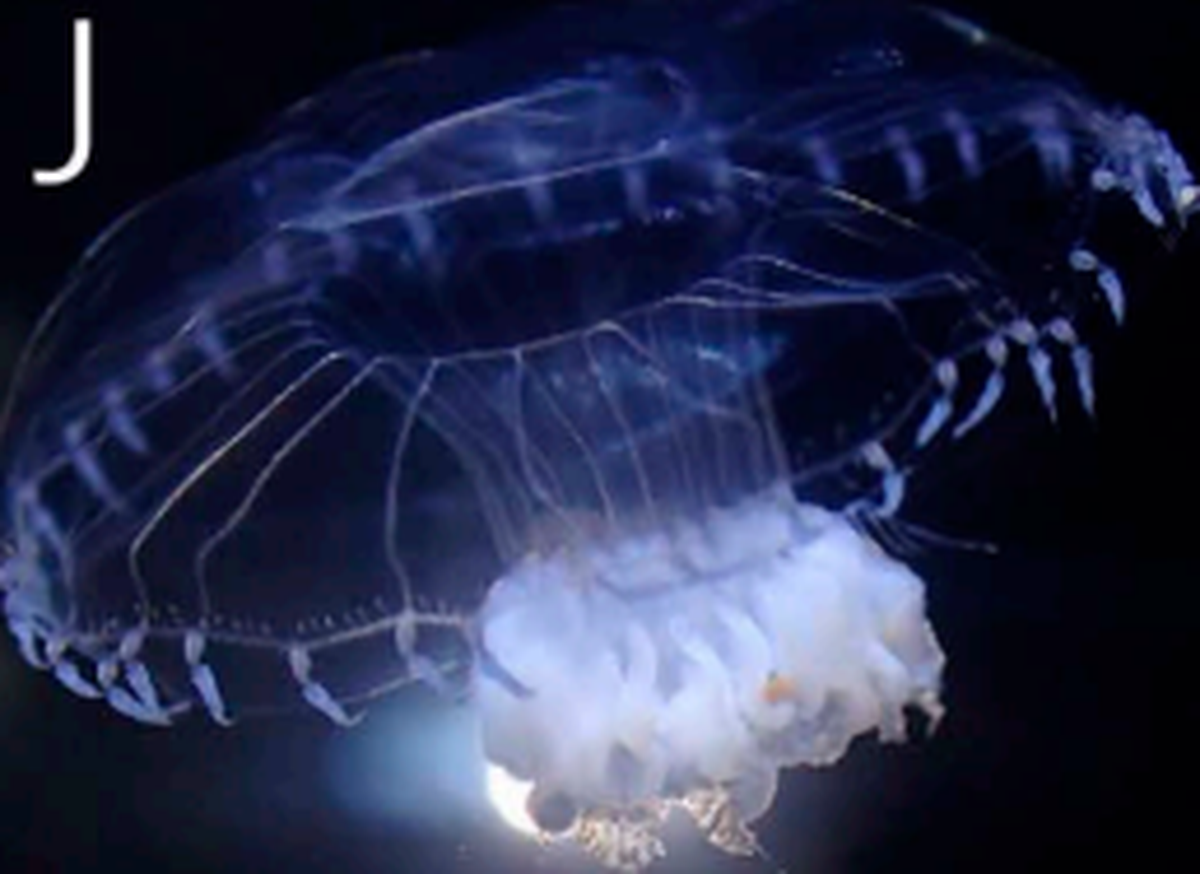
Nearly seven years later, Sugimoto, Collins, and Dr. Takato Izumi of Fukuyama University have confirmed that Sugimoto’s specimens were a new species of hydrozoan, an animal closely related to jellyfish, according to a Feb. 28 study published in the journal Plankton and Benthos Research.
Orchistoma integrale, or the integral jellyfish, earned its name from its elongated S-shaped gonads that resemble the mathematical integral symbol, according to the study.
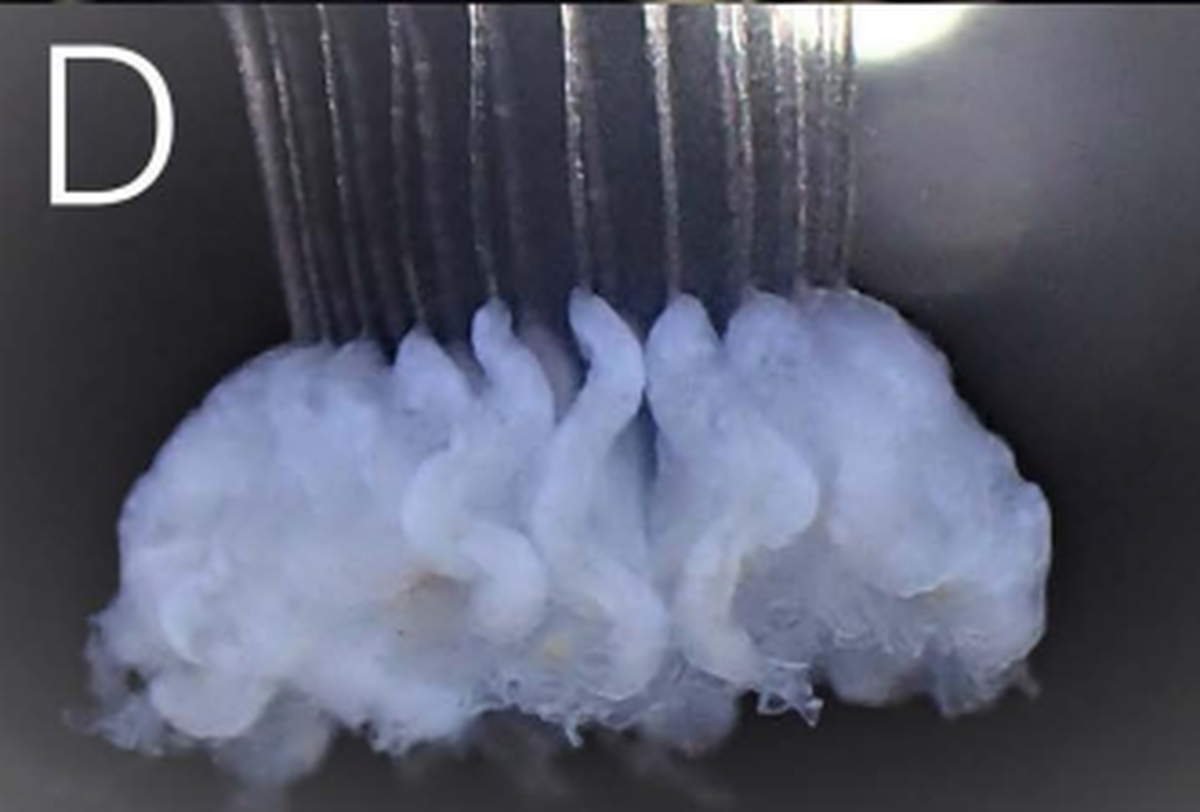
Several features of the fully matured integral jellyfish helped experts distinguish it as a new species, including its rounded shape, “curled gonads,” “very long” tentacles, and a mouth with many lips that are “frilled” and “petal-like,” according to the study.
The integral jellyfish is part of a genus that has been recorded in waters around the world, including off the coast of Florida, Italy and Papua New Guinea, but none have ever been found in the northwest Pacific, according to the study.
Sugimoto was also able to successfully raise the species from the polyp stage, an early phase of development, marking the first time that stage had been identified for the entire Orchistoma genus, according to the NOAA.
Tanabe Bay is in Japan’s Wakayama Prefecture about a 115-mile drive south from Kyoto.
This story was originally published March 5, 2025 at 12:42 PM with the headline "13-year-old discovers new translucent species with dozens of ‘petal-like’ lips in Japan."