
Roman mosaics lay hidden underground in Austria for years — until now. See them
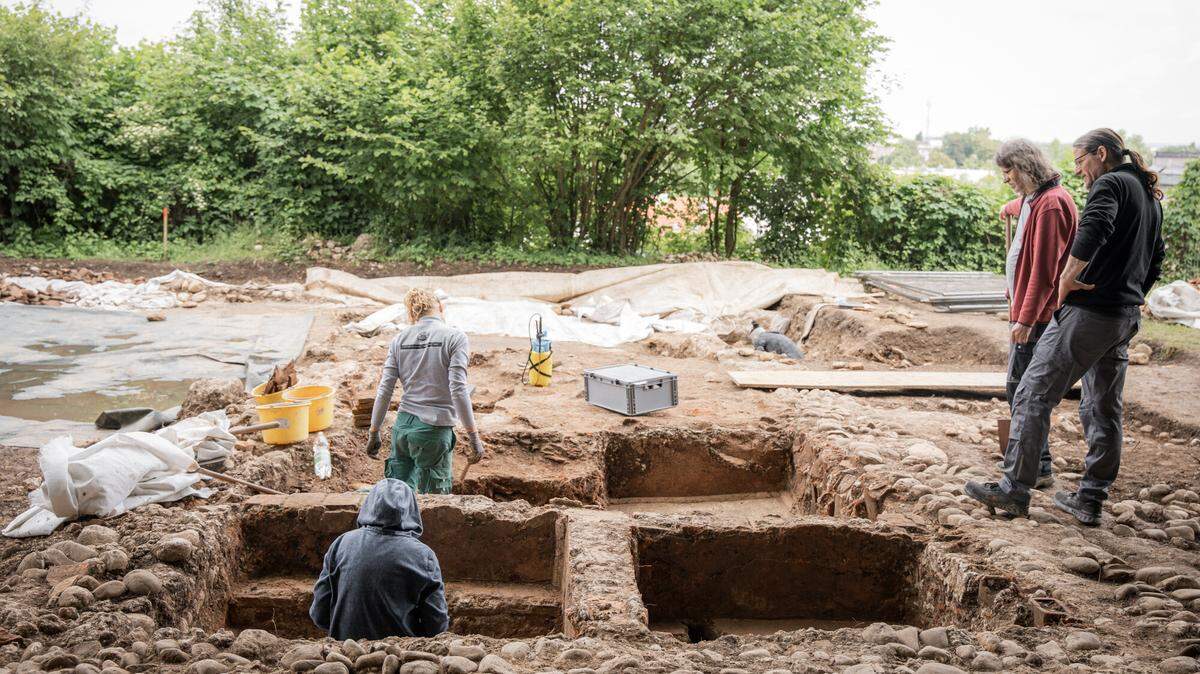
Archaeologists in Austria recently unearthed a trio of Roman era mosaics, which shed light onto life in ancient times.
The works were found among the ruins of a Roman building complex in Thalheim bei Wels, located about 65 miles northeast of Salzburg, according to a news release from the Upper Austrian State Culture Museum.
The site — which has been under excavation since 2023 — overlooks the ancient Roman city of Ovilava, which is now called Wels.
The three mosaics were discovered beneath several feet of sediment alongside what appear to be stone walls, photos show.
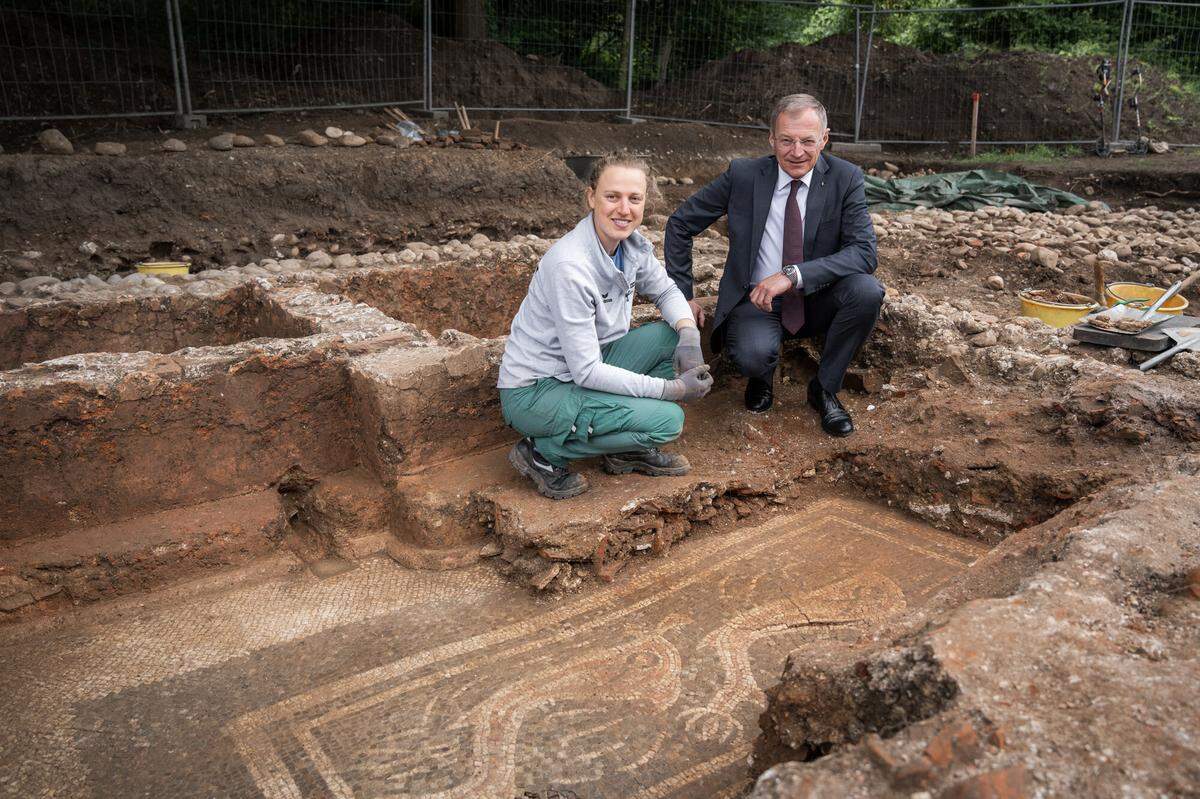
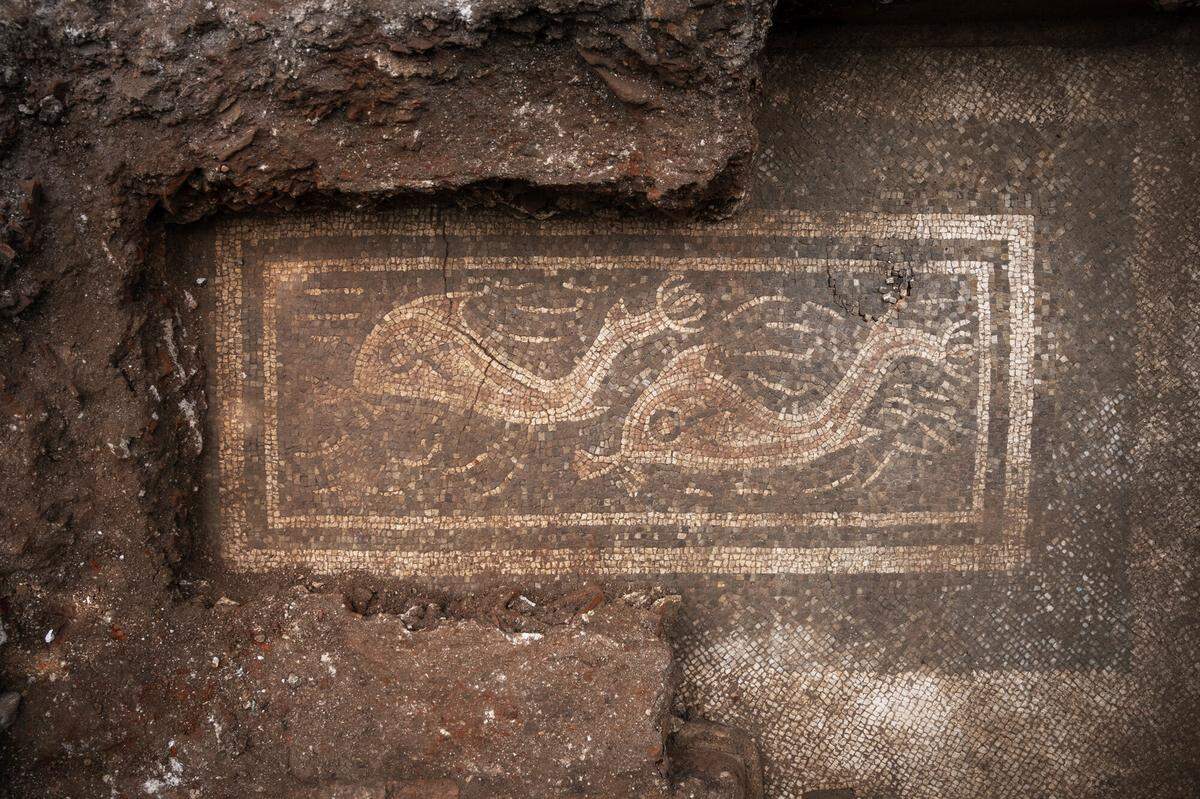
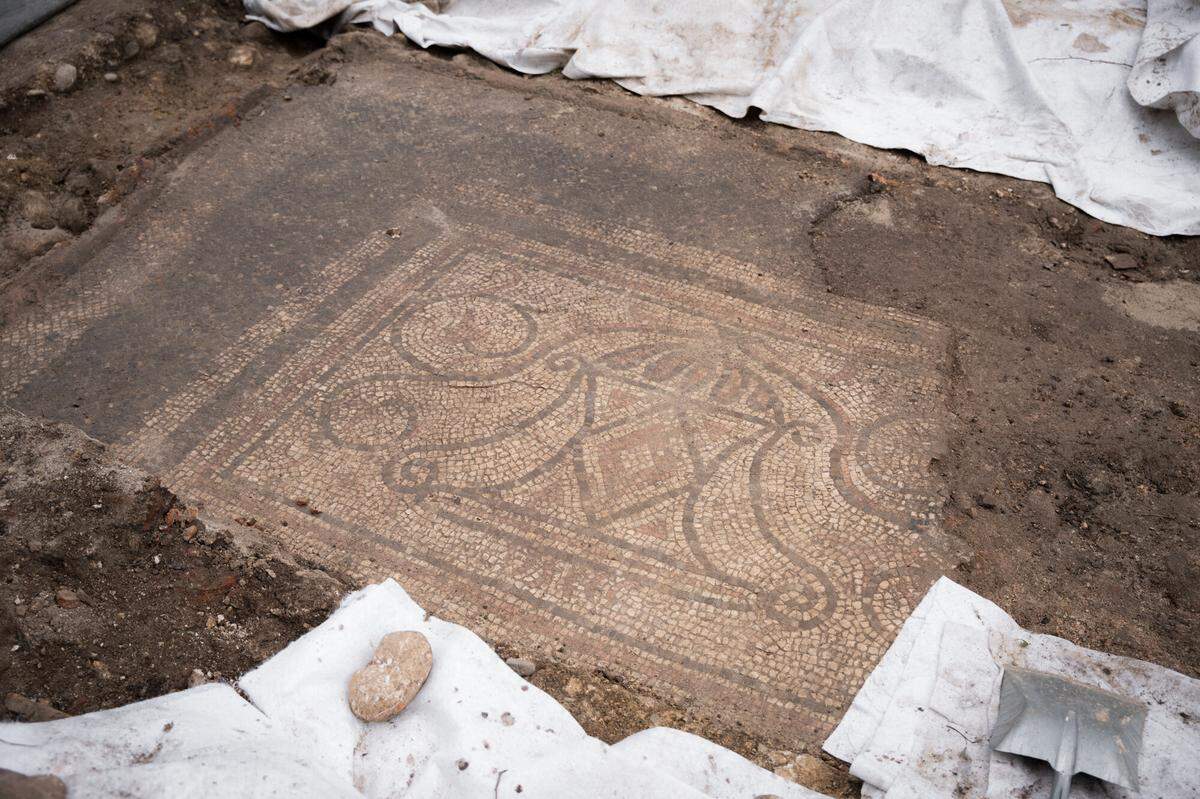
One depicts a wine-mixing container affixed with curved handles, while another has geometric motifs. The third artwork — described as the most impressive — contains images of two dolphins.
The latter mosaic measures several feet in length and is made up of numerous multi-colored tiles, photos show.
The findings are considered a rarity in the region, museum officials said.
Thomas Stelzer, the governor of Upper Austria, said in the release that the artworks demonstrate what amazing cultural artifacts still remain hidden in the region.
All three mosaics date to the second century A.D., making them at least 1,800 years old, according to Der Standard, an Austrian newspaper.
While it’s unclear what purpose they served beyond beautification, they were found in pools of water, indicating they may have been part of a spa, the newspaper reported. Supporting this idea is the fact that the area is known for its clean spring water.
Roman troops occupied much of present-day Austria starting around 15 B.C., establishing the provinces of Raetia, Noricum, and Pannonia, according to Britannica.
Throughout their rule, the Romans laid down a vast system of roads and set up a number of towns along the Danube River, including Ovilava.
But, by the fifth century A.D., Roman influence in the region began to wane following invasions by the Huns and Germanic peoples.
Google Translate was used to translate a news release from the Upper Austrian State Culture Museum and an article from Der Standard.
This story was originally published June 3, 2025 at 2:57 PM with the headline "Roman mosaics lay hidden underground in Austria for years — until now. See them."