Seals playing computer games for science reveal how they navigate in murky water
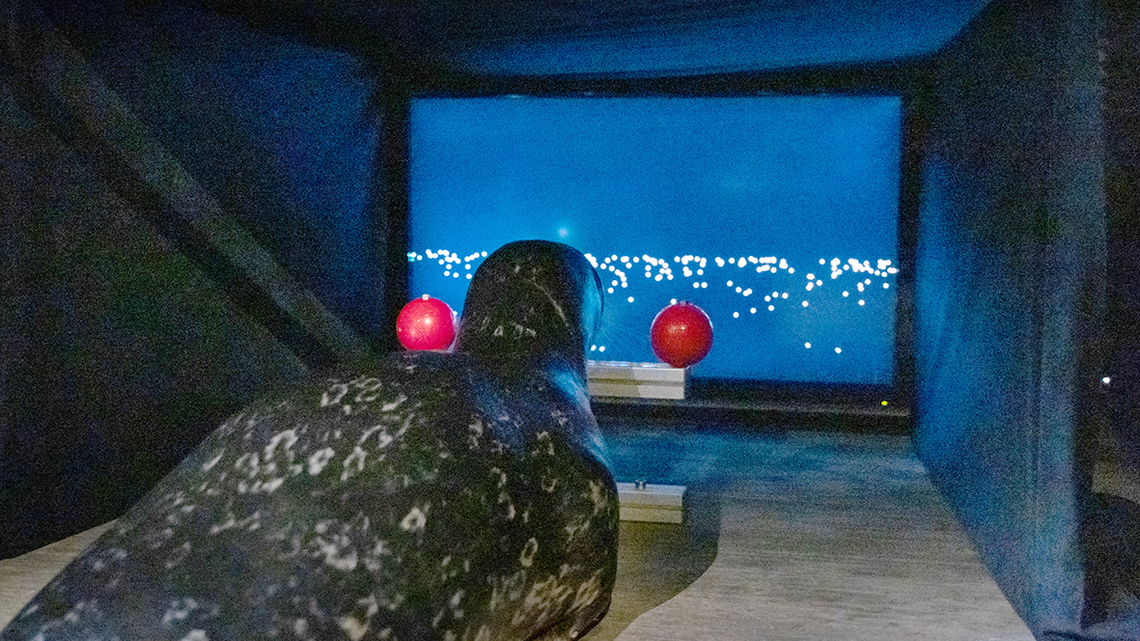
One by one, Nick, Luca and Miro took their places in front of a screen at a German research lab to participate in a video game for science.
The task was straightforward. While viewing a simulation of moving through the ocean, the subjects would touch a red target on the left if they thought they were moving left, and a red target on the right if they thought they were moving right — an action these creatures learned by being rewarded with fish.
Using a series of dots streaming across a black screen that mimicked particles in murky water, researchers observed whether harbor seals used optic flow, or the movement of objects across one’s field of vision, to determine the direction in which they are moving, according to a May 29 study published in the Journal of Experimental Biology.
Harbor seals are especially adept at navigating open water, which can be “a strangely claustrophobic experience” for humans as our view drops to just a few centimeters, according to an article published in the Journal of Experimental Biology about the study.
Seals are known to use their highly sensitive and dexterous whiskers to navigate and hunt, but the role of visual perception is less studied.
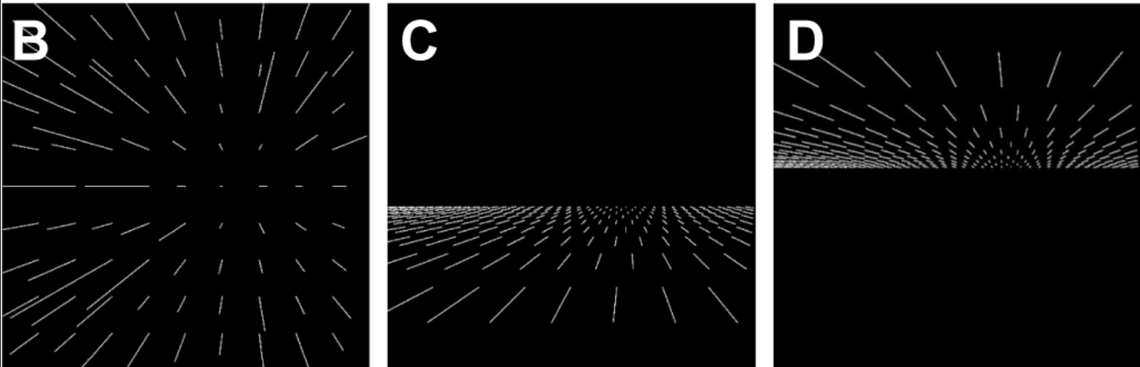
The team designed three computer simulations. The first simulated a seal moving through the open sea with dots coming at them; the second simulated the sea floor passing beneath the seal; and the last simulated the sea surface above the seal’s head, according to the article.
Three humans participated in the simulation for skill comparison, according to the study.
The seals’ heading accuracy was “comparable, but slightly inferior to the heading accuracy of humans and Rhesus macaques (a species of monkey),” according to the study.
“The (seals) were perfectly capable of determining which direction they were traveling in based simply on the dots streaming in their view; exactly as the cloudy water, seabed or water surface would appear to move when they are swimming,” the article said.
The research team included Laura-Marie Sandow, Ann-Kathrin Thimian, Markus Lappe and Frederike D. Hanke.
This story was originally published June 5, 2025 at 1:03 PM with the headline "Seals playing computer games for science reveal how they navigate in murky water."