Street project reveals hidden tunnel to ancient Roman palace in Croatia. See it
As workers dug up a street in downtown Split, Croatia, they expected to find something historic. They were digging next to an ancient Roman palace, after all, and yet the structures that reemerged still left them excited.
Archaeologists began work on Hrvojeva Street in May as part of a renovation project. The narrow cobblestone street cuts through the city’s Old Town toward the waterfront and abuts the eastern facade of Diocletian’s Palace, an ancient Roman fortress built about 1,700 years ago.
Throughout the excavations, archaeologists hoped to find the remains of the palace’s southeastern tower, which was part of the original castle but was removed during later renovations, Vesna Bulić Baketić, the director of the Split City Museum, told McClatchy News.
Archaeologists dug up a large section of Hrvojeva Street roughly matching the size of the long-gone tower. Sure enough, they unearthed sections of the ancient Roman tower and its original foundation.
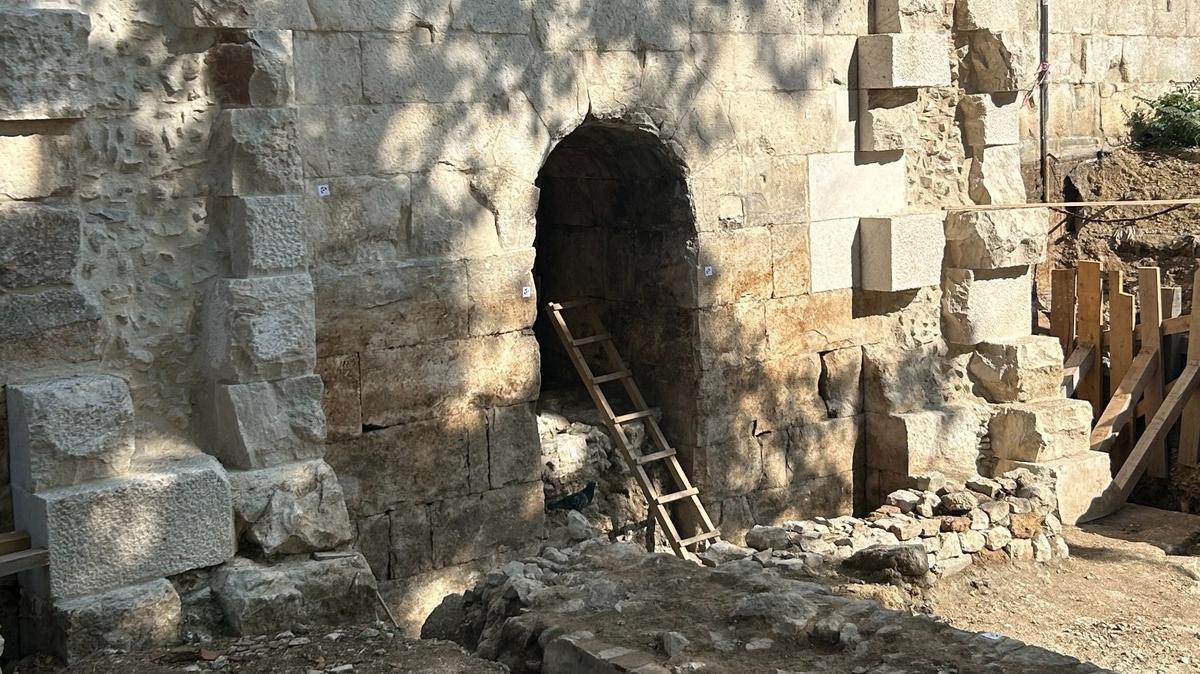
But the dig also revealed a hidden tunnel in the palace wall.
.jpg "PHOTO-2025-07-01-14-55-05 (1).jpg")
A photo shows the stone archway, which Bulić Baketić said was part of the original Roman structure.
The tunnel was known since the 1960s when researchers began working on the cellars, or substructures, underneath Diocletian’s Palace, but it “was covered for a very long period of time,” Bulić Baketić said via email.
.jpg "PHOTO-2025-07-01-14-55-05 (2).jpg")
Originally, the passageway connected the southeastern tower to the palace cellars and “probably” served a military purpose, Bulić Baketić said. Now, the tunnel opens onto Hrvojeva Street.
A video shared on Facebook by the Croatian news outlet HRT shows the inside of the tunnel. The exterior archway connects to a larger room with a set of steps and another doorway leading to the cellars.
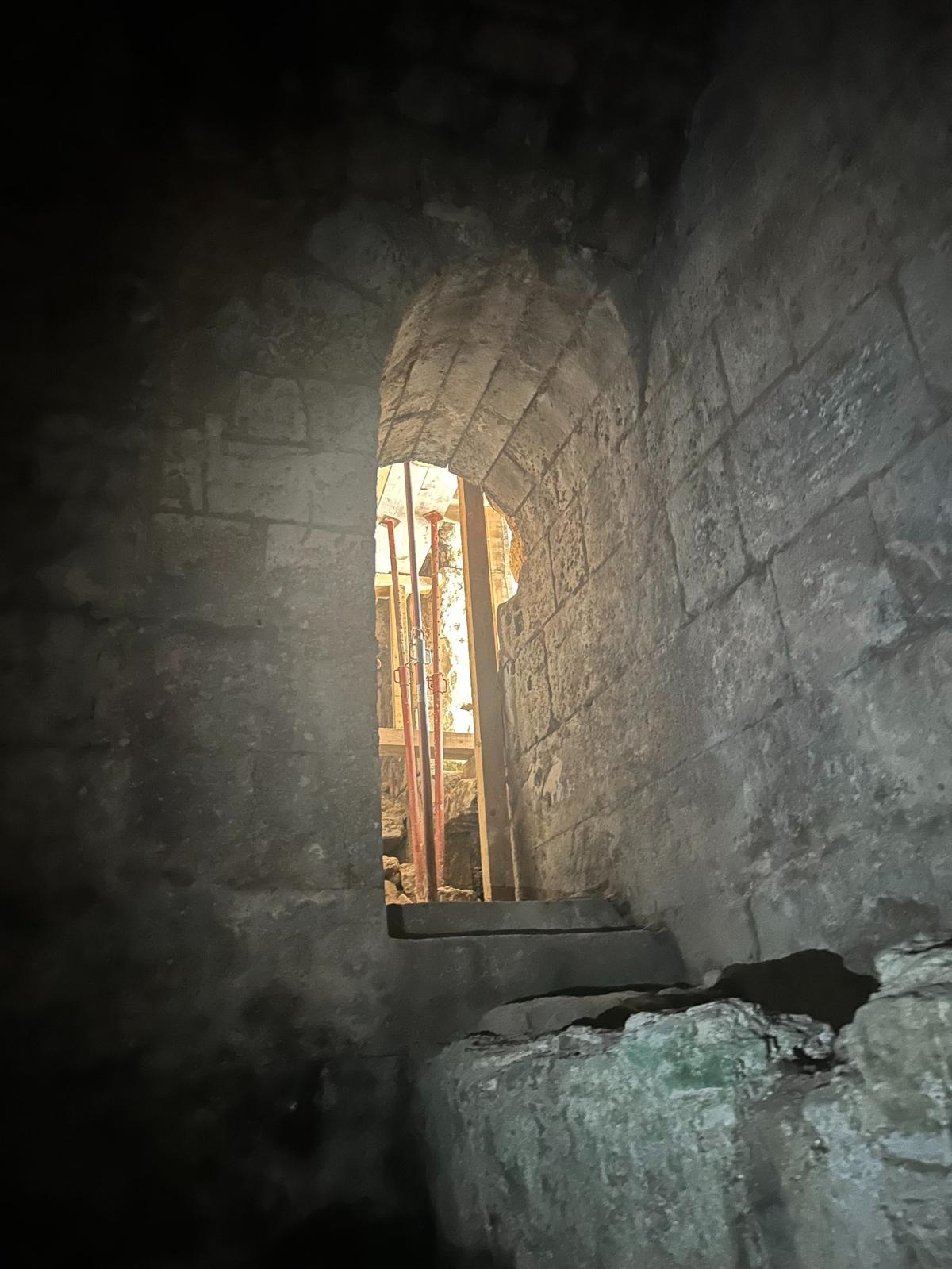
“It is very important to open and renovate as many structures from the original (Diocletian’s) Palace as we can,” Bulić Baketić said.
During the latest excavations, “the team was trying to reach and open the tunnel … because for the future space and visitor management, we will need additional exits from the substructures,” Bulić Baketić said.
“We will clean the passage and connect it with the inside room in the future project,” Bulić Baketić said. “It is very likely that it will be available to the visitors.”
On the coast of the Adriatic Sea, Split is the second-largest city in Croatia and is a roughly 240-mile drive south from Zagreb.
Google Translate was used to translate the Facebook post from HRT.
This story was originally published July 9, 2025 at 6:32 AM with the headline "Street project reveals hidden tunnel to ancient Roman palace in Croatia. See it."