‘Spectacular’ sapphire-blue species discovered on Angola’s highest mountain peak
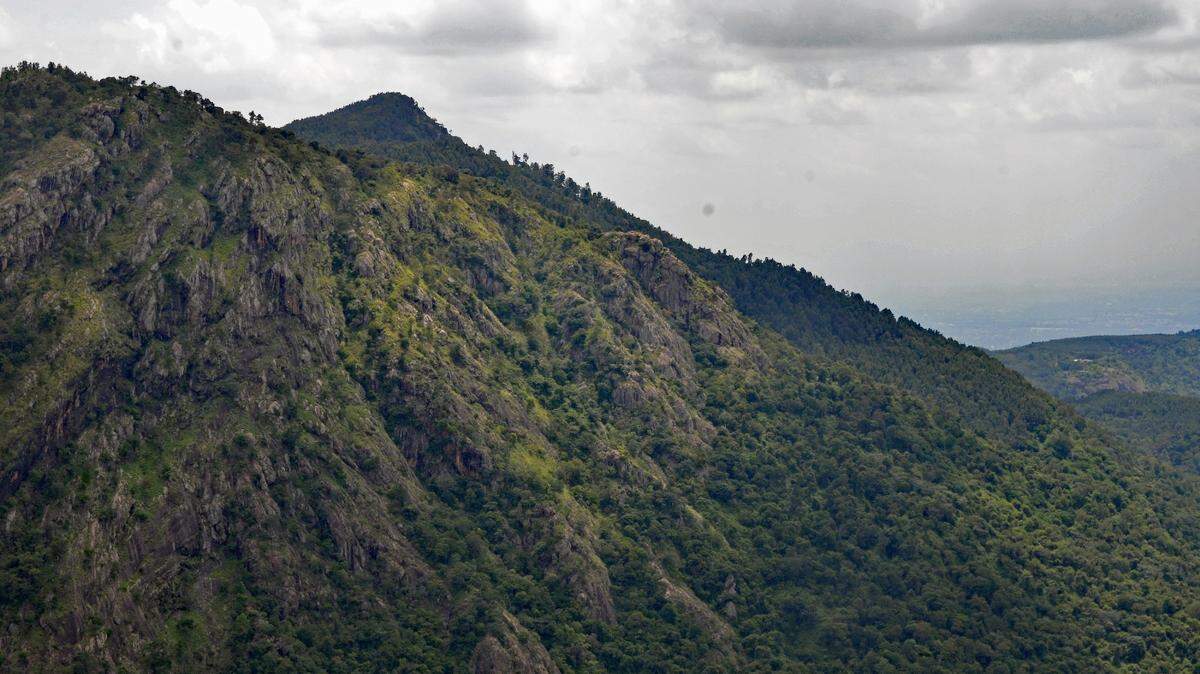
On Angola’s highest mountain, a brilliant sapphire-colored butterfly was observed basking in the sun.
After flying about and surveying its territory, the creature spent “long periods sunning itself” on the side of a tree in the high-altitude forests on Mount Moco.
Now, researcher Alan John Gardiner has determined the remarkable specimen is actually a new species of Iolaus butterfly, according to a study published July 8 in the peer-reviewed journal Zootaxa.
Iolaus francisi, or the Francis’s gorgeous sapphire, is described as having wings with an upper side that’s shiny blue and black and an underside that is “silver white,” according to the study.
The coloration on the species upper wings can reflect different shades of blue depending on the angle and the light, Gardiner said.
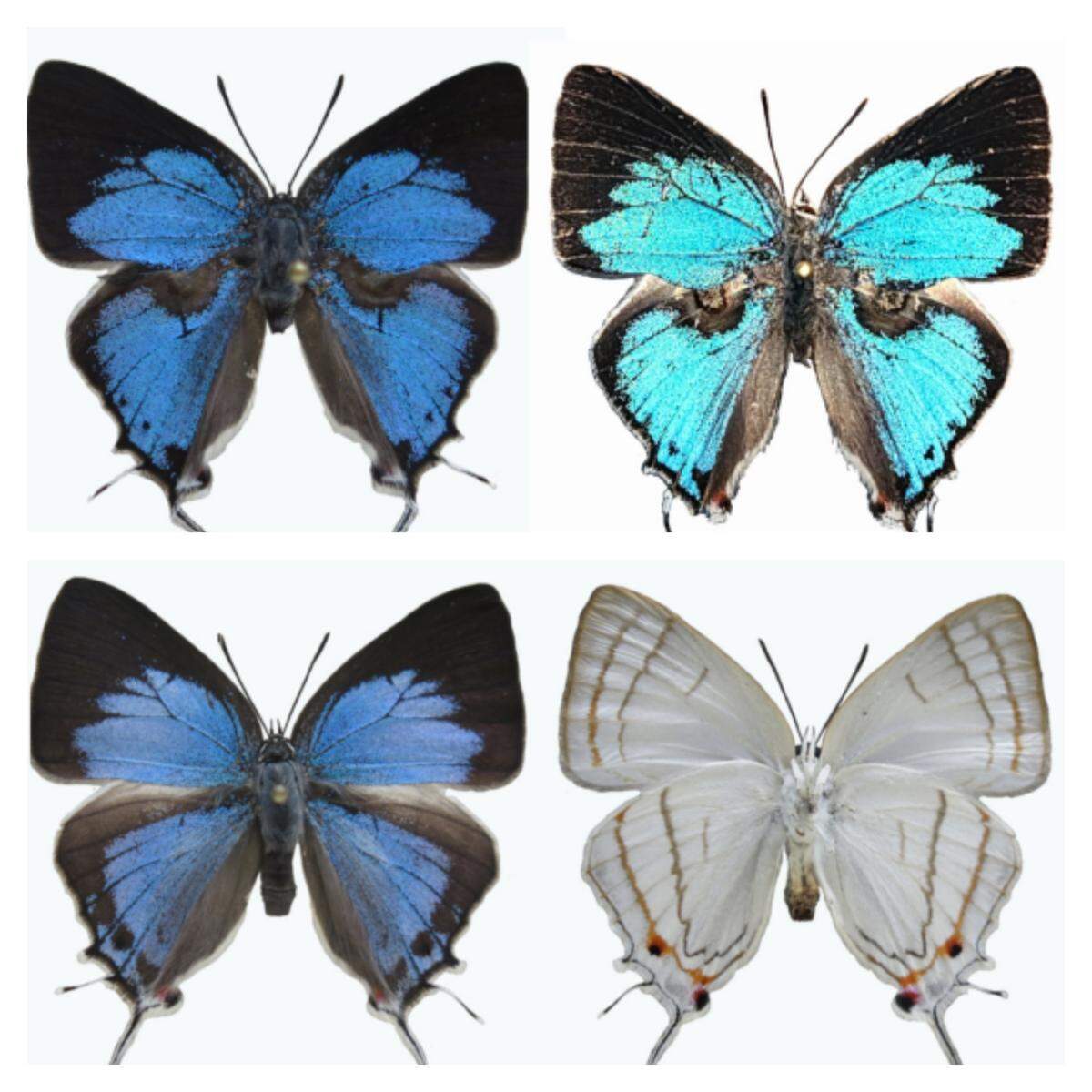
It’s hind wings have a pattern that resembles a large eye called an “eyespot,” according to the study. This patterning can serve as a defense against predators.
“It is remarkable that such spectacular invertebrates as I. francisi remain undocumented,” Gardiner said in the study.
The study suggests the number of butterfly species in Angola may be greatly underestimated, with many yet undiscovered. The current figure of 792 recorded species may actually be 1,100 to 1,600, according to Gardiner.
To date, Francis’s gorgeous sapphire has only been found in Angola’s central highlands forests, at elevations of about 5,000 feet. These forests are extremely fragmented, however, and getting smaller due to human pressures, according to Gardiner.
“Only a few patches of relatively undisturbed habitat remain,” Gardiner said. “They remain mostly due to their being inaccessible as they are on steep slopes or in rugged rocky areas.”
These patches are under threat from agriculture, logging, excessive fires and high livestock densities, and they’re rapidly being depleted, Gardiner said.
The study calls for a greater push to document new species and protect the areas in which they are found.
This story was originally published July 15, 2025 at 1:26 PM with the headline "‘Spectacular’ sapphire-blue species discovered on Angola’s highest mountain peak."