Iconic horned species from Ethiopia may not survive this ‘time of lawlessness’
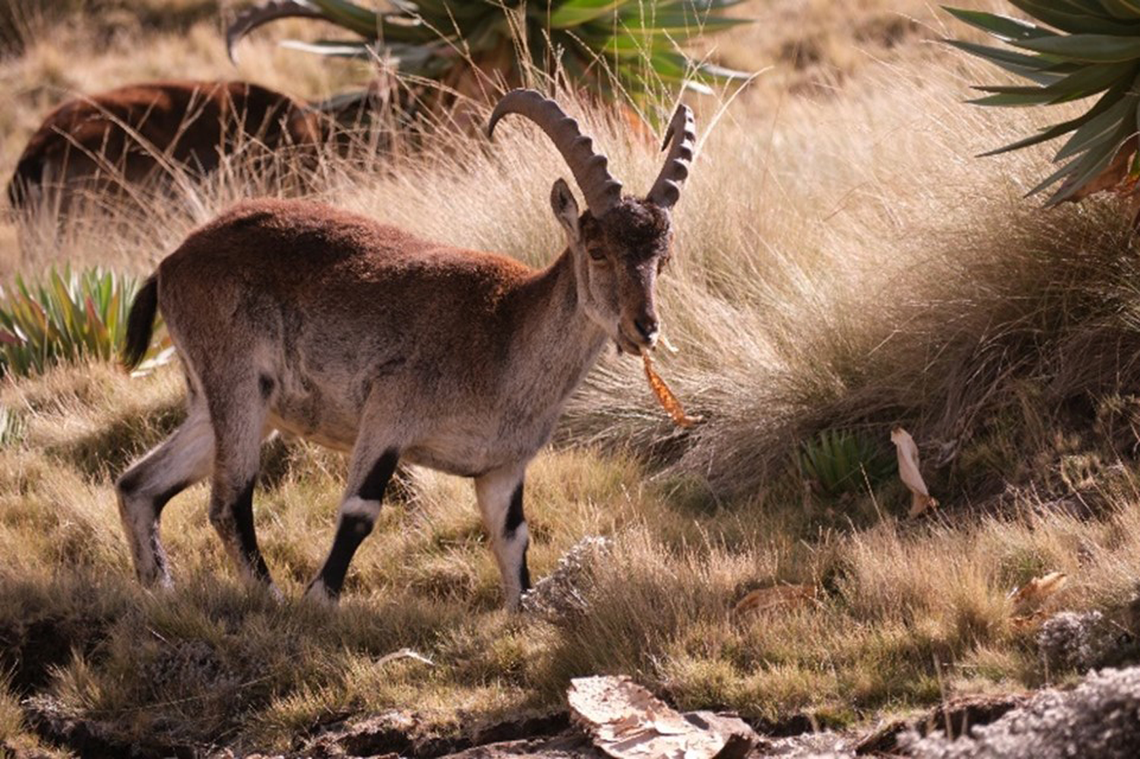
The walia ibex, with its distinctive large curved horns, is regarded as a national symbol in Ethiopia. It is also “one of the most threatened mammals” on the brink of extinction, experts said.
The species came close to extinction in 1966. Officials established the Simien Mountains National Park to protect the last 200 walia ibexes on Earth, where for decades, their population grew.
Now, recent surveys show their numbers are approaching critical levels again, according to a study published July 21 in the journal Oryx.
“The war opened the door for poaching during this time of lawlessness,” a local resident told researchers.
In 2015, researchers counted 865 walia ibexes in Simien Mountains National Park. In 2024, just 306 were documented, 194 of which were adults, the study said.
One of the criterion for a species to qualify as critically endangered on the International Union for Conservation of Nature’s Red List is a “mature” population below the threshold of 250 individuals, according to the study.
“Clear evidence of poaching, including snares and animal carcasses,” have been discovered in Simien Mountains National Park, the study said.
Locals identify ‘fundamental’ drivers of poaching
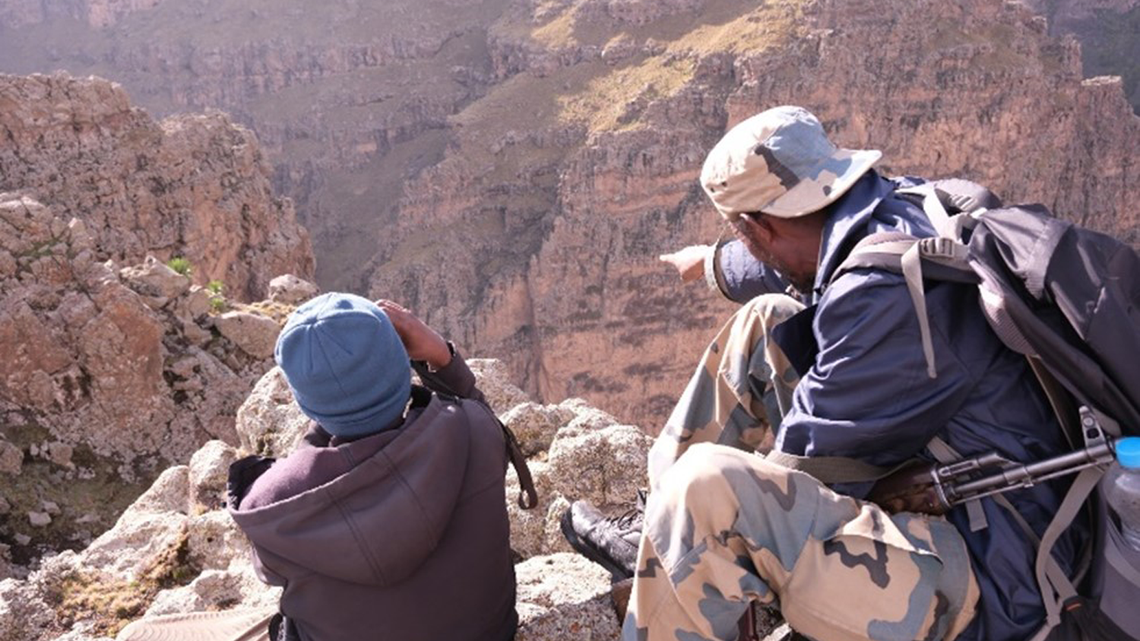
Researchers interviewed “park personnel, village elders, farmers, local authority staff and militia” in the communities surrounding the ibex’s habitat to investigate possible causes for the uptick in poaching.
According to the study, more than 70% of people “attributed the drop in walia ibex numbers to poaching, both for food and medicinal purposes,” citing COVID-19 and the 2021–2022 Tigray war just north of the park as “fundamental” causes.
“COVID-19 has obstructed tourist flows, decreased revenues and halted patrolling activities and awareness,” an interviewee told researchers.
Ibexes have historically been a major tourist attraction in Ethiopia, providing income for the region in addition to their ecological importance, the study said. Any instances of poaching, which have been rare over the last several decades, were reported to park rangers.
Researchers theorize that as the number of annual visitors dropped from 32,000 to 4,300 between 2019 and 2023, the “decrease in income from tourism may have eroded the previously positive relationship between communities and Park authorities, leading to an increase in poaching,” according to the study.
Experts are creating an action plan to save the species, which involves mobilizing “community ambassadors” with the goal of trust-building and improved communication, annual population censuses including the use of camera traps, and recategorizing the walia ibex as critically endangered on the IUCN Red List, according to the study.
The Simien Mountains are in the northwestern corner of Ethiopia near the border with Eritrea and Sudan.
This story was originally published July 23, 2025 at 12:57 PM with the headline "Iconic horned species from Ethiopia may not survive this ‘time of lawlessness’."