‘Unusual’ animals at wetland in Saudi Arabia turn out to be first-time visitors
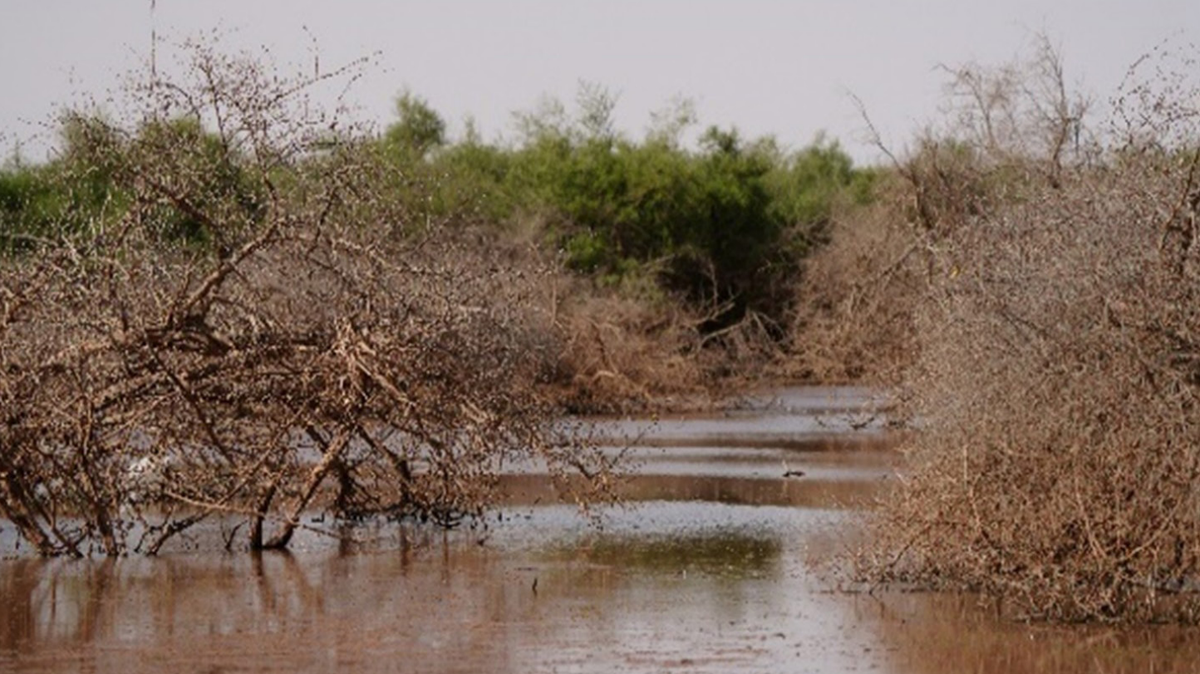
A pair of white-bellied animals stopped at a seasonal wetland in Saudi Arabia, likely seeking a resting place during their long migration. The brief visit caught the attention of the nature reserve staff — and for good reason.
It turned out to be an “exceptionally rare sighting.”
Staff at the King Abdulaziz Royal Reserve set out to survey wetland birds in early May as part of routine monitoring. Their efforts focused on the reserve’s “natural temporary wetland” that forms “for a few months” after the winter’s rainy season, according to a study published Aug. 22 in the peer-reviewed journal Check List.
Researchers “observed a remarkable diversity of bird species, including both migratory and resident birds,” but “two unusual individuals” stood out from the rest.
At first, identifying the bird pair stumped researchers, the study said. Eventually, the team identified the animals as pectoral sandpipers, a “rare” species for Saudi Arabia.
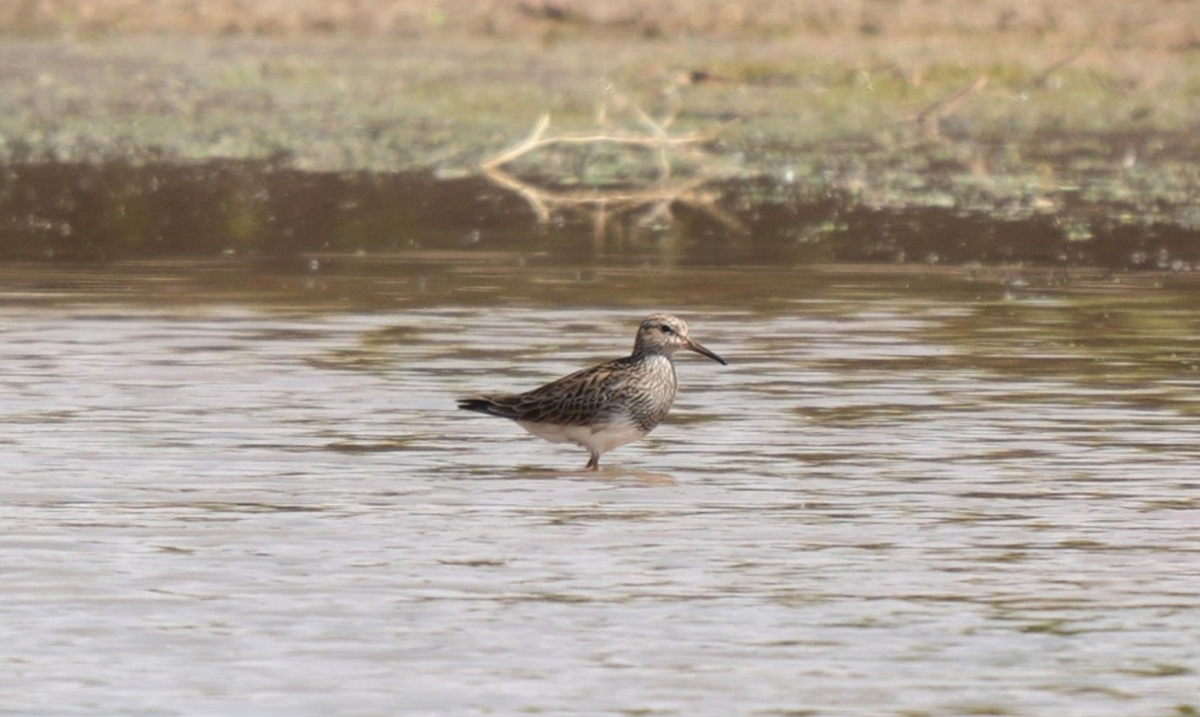
Pectoral sandpipers, or Calidris melanotos, normally breed in the “arctic tundra” before migrating to southern South America, researchers said. The species is “known for its strong vagrancy behavior, with scattered records reported from Western Europe and North Africa.”
The pectoral sandpipers seen at King Abdulaziz Royal Reserve are the site’s first record of the species and “only the third nationally,” the study said.
A photo shows one of the birds. It has a “finely streaked brown breast” and a “white belly,” researchers said. Its neck is “relatively long,” and its bill is “dark, slightly curved, and rather short.”
The pair of pectoral sandpipers were only seen once despite a week of follow-up surveys. Researchers “suspect that they likely continued their migration toward breeding grounds in Russia.”
Still, the sighting indicates that the wetland “serves as an important refuge for many bird species, both migratory and resident, as well as a breeding area and a migratory stopover,” the study said. Researchers suggested further bird monitoring efforts.
King Abdulaziz Royal Reserve is in northern Saudi Arabia and a roughly 180-mile drive northwest from Riyadh, the capital city.
The research team included Abdulaziz Mubarak Al-Qahtani, Abdelwahab Chedad, Nuwayyir Mohammad Alshammari, Mohammed Hamed Altalhi, Hazem Abdullah Al-Asmari, Abdulrahaman Salem Alzahrani, Hussein Alkhamis, Abdullah Mohammed Alowaifeer and Abdulwahed Fahad Alrefaei.
This story was originally published August 27, 2025 at 6:48 AM with the headline "‘Unusual’ animals at wetland in Saudi Arabia turn out to be first-time visitors."