Medieval medallions found in thrift store for $30. They were priceless artifacts
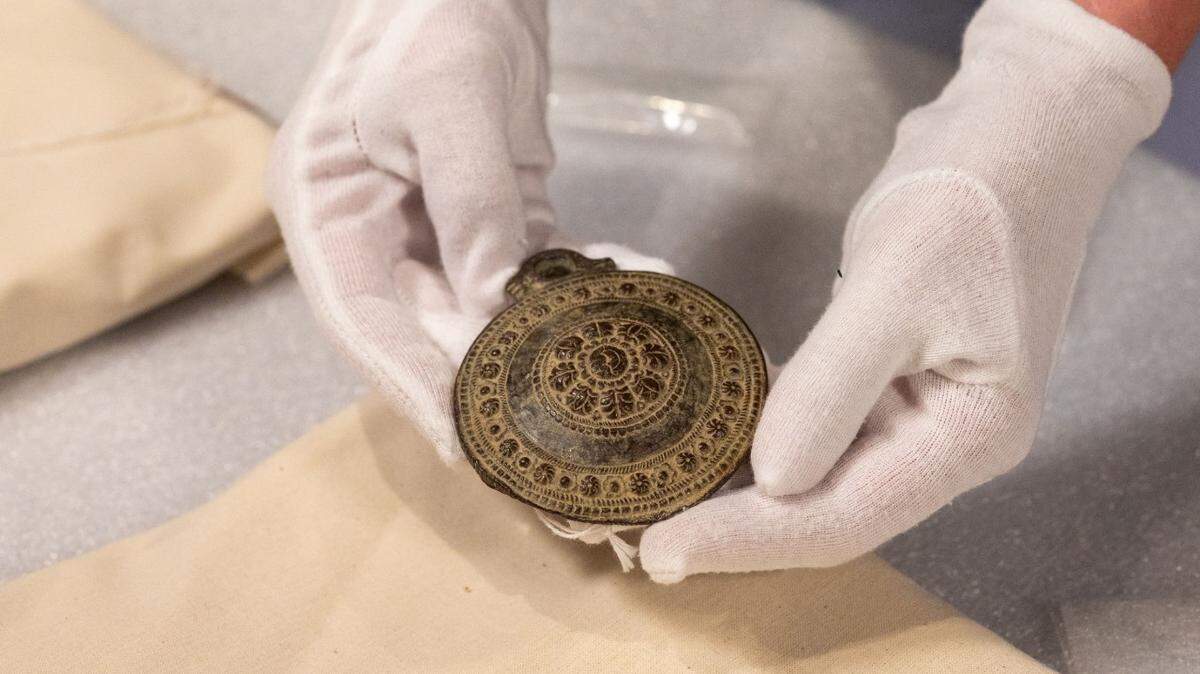
When a customer walked into the Thrifty Boutique, a financial supporter of the Chilliwack Hospice Society in Canada, they probably never expected to make an archaeological discovery.
But as they scanned the items out for sale, they noticed a group of odd-looking rings and medallions, each unique and clearly touched by the passage of time.
The items were listed for $30, or about $21.43 U.S. dollars, according to a Sept. 24 news release from Simon Fraser University in British Columbia.
They would turn out to be priceless.
The customer had a background in archaeology, according to the university, and alerted thrift store volunteers that they might have something really valuable and historically significant on their hands.
The items were then donated to the university to be studied, only for scientists to confirm the customer’s intuition.
“This is an incredibly exciting donation and an amazing opportunity for students here at SFU,” archaeology professor Sabrina Higgins said in the release. “It will take at least a semester – if not longer – to piece together the origins of these artifacts. We’re fortunate to have access to cutting-edge research technologies within our department to properly study these objects, so it promises to be a rewarding journey for students.”
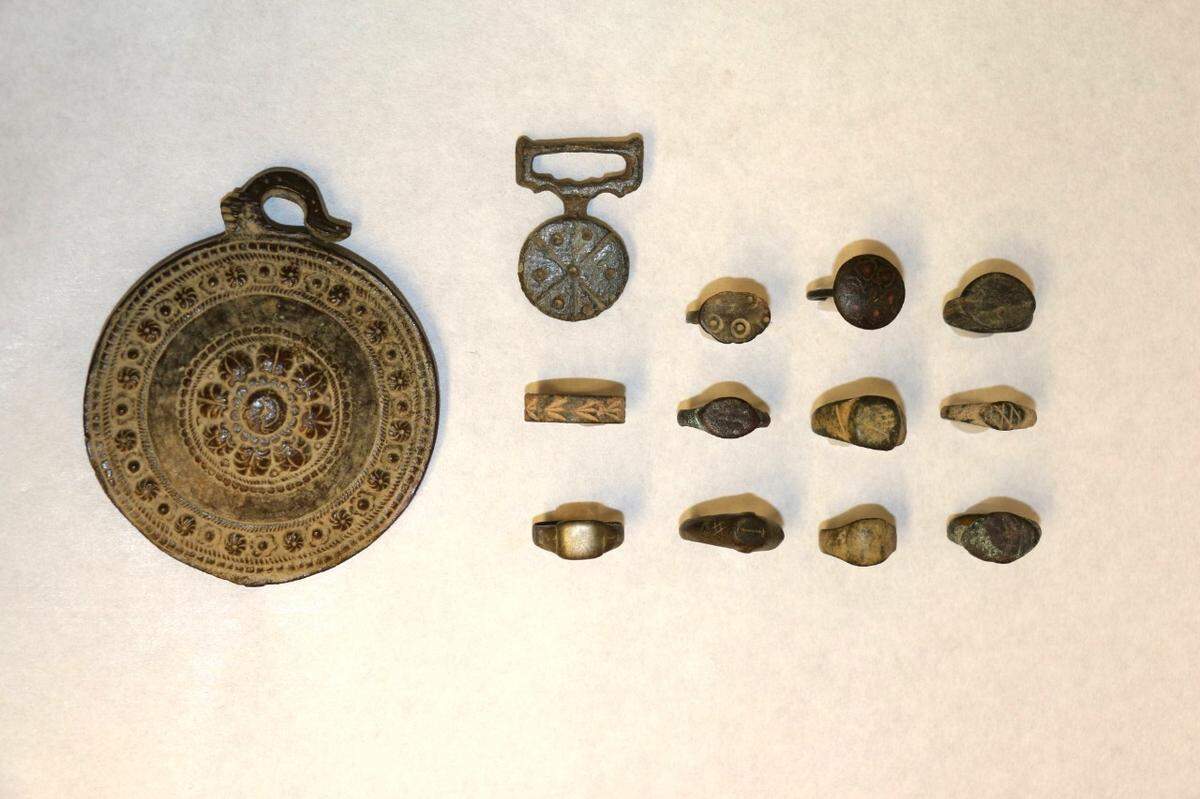
The pieces include 11 rings and two medallions, and based on the shapes, designs and construction, Higgins believe they likely date to the medieval time period. However, they are likely from a region that was once the Western Roman Empire, according to the release.
The rings and medallions will become central to an archaeology course being taught in fall 2026, where the students will not only try to track down more information about the artifacts, but also discuss the ethical considerations.
There was no information about how the items made their way to a thrift store in western Canada, however, worrying researchers.
“What if they were looted from their original archaeological site? Looting leads to the loss of cultural and scientific knowledge. Should we have advised on bringing them in without knowing where they came from? What could have happened to them if they weren’t brought in,” archaeology professor Cara Tremain said in the release.
Researchers said it’s not out of the question that these items could also be forgeries because of their lack of context, according to the release, though more study is needed before a conclusion can be drawn.
“What we’re doing is essentially being detectives — we’re trying to recover the story of these items,” Tremain said. “They could offer up new information that may change the way we think about that culture or history. In which case, we want to know that we’re basing our theories on something that is authentic.”
Even as fakes, the items would serve as a good learning experience, Higgins said.
Students can go “through an object systematically to determine whether it’s real, or a forgery, and questioning why forgeries continue to make their way into the antiquities market,” Higgins said.
After the completion of the course next year, the items will be moved into an exhibit that shares their findings and ethical conclusions.
This story was originally published October 9, 2025 at 9:54 AM with the headline "Medieval medallions found in thrift store for $30. They were priceless artifacts."