
Sacramento supervisors delay vote on expanding troubled Main Jail downtown
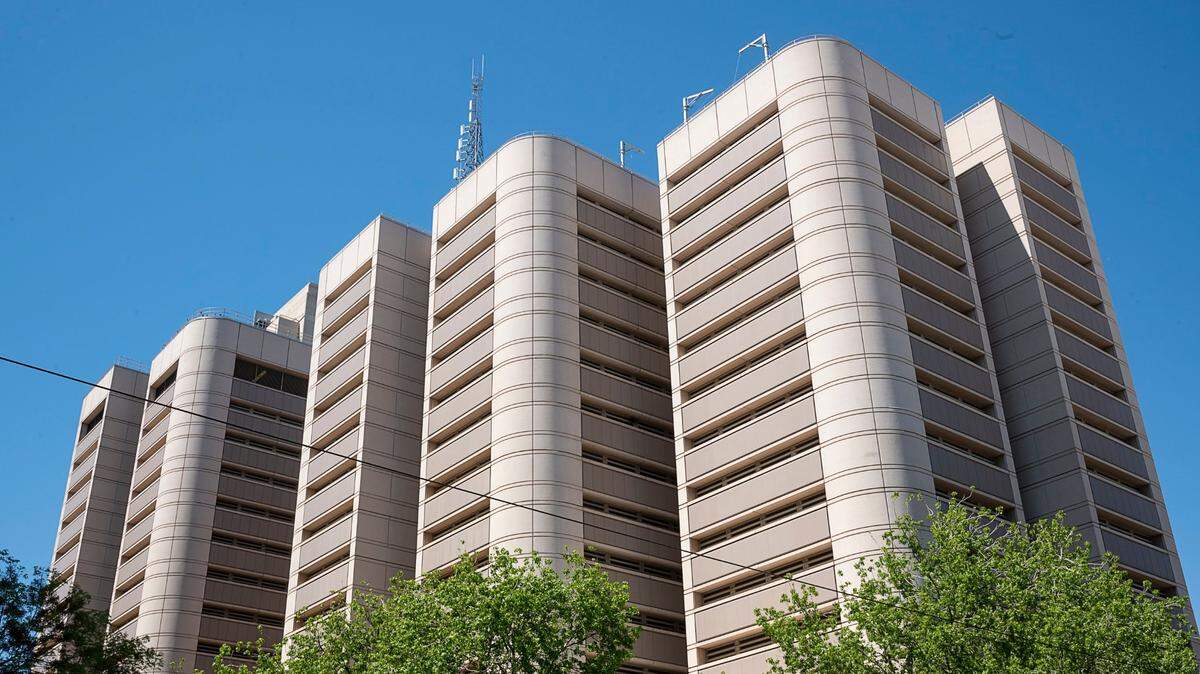
The Sacramento County Board of Supervisors put off approving a contract that would have accelerated an expansion of the Main Jail downtown, yielding to community criticism over the project that could cost millions.
The supervisors unanimously agreed to first hold a workshop to better understand the scale of the additional building that would primarily serve the medical, mental health and programming needs of inmates.
Kitchell Construction, a firm headquartered in Phoenix, has been in line to receive a contract worth up to $10 million to oversee the management of the design and building of the facility, joining Nacht and Lewis Architects who the county hired last April.
No renderings or size estimates have been released. Some supervisors bristled at the idea of paying so much without knowing what they’re getting. County officials said the new building would help alleviate enduring problems inside the jails, specifically those that require new space for medical care that does not exist inside the jail where as many as 2,432 inmates can be housed.
A number of residents and activists also questioned the rationale of paying so much to keep people in jail without first exploring alternatives. More than a dozen of them took turns urging county lawmakers to decide against it.
Citing a year-old consent decree as the reason to construct the new facility is disingenuous since a new building will not address most of the issues that need to be remedied inside the jail, said Dr. Christina Bourne, a physician who has worked in the county’s jails.
“There are over 400 consent decree requirements, and only a small number of them are being met by the construction of this new jail,” Bourne said. “The majority of what is actually cited in the consent decree has little to do with the physical space and more to do with the practices, culture and management of the jail.”
Bourne called-in to the meeting to speak in opposition to the project. She relayed instances in which she witnessed duties assault patients for requesting extra milk or not taking their medication; provoke people in a mental health crisis and refer to people using derogatory and racist language in communal spaces.
“Still to this day, we are documenting our patient interactions on Microsoft Word and saving them onto a computer,” Bourne said, adding that it’s not compliant with federal information privacy laws.
County officials tried to beat back some of the criticism, saying that many efforts are already underway to reduce the jail population.
Britt Ferguson, the county’s chief fiscal officer, said there’s currently a mental health pretrial release program, and the county is looking at alternatives to incarceration for sentenced offenders based on findings from a report by the Carey Group.
“There’s a lot going on to reduce the jail population,” Ferguson said. “Notwithstanding that, we think it will be necessary to add additional medical, mental health and booking facilities adjacent to the downtown jail. It’s not clear what the size and scope of that is.”
Construction for the extra jail space was supposed to start by 2022-2023 but that seems unlikely, Ferguson told the Board of Supervisors.
Gaps in medical, mental health services
For years, the county has been under increasing pressure to improve the quality of care offered in its jails. Its failure to respond to the dire conditions found in its two facilities culminated in a lawsuit filed in 2019 by Disability Rights California and the Prison Law Office.
The two groups alleged inmates were kept in “dangerous, inhumane and degrading conditions.” The case concluded with a consent decree approved by a federal court judge last January. Court monitors now report their progress every 180 days.
In the year since the consent decree was approved, the county has made some progress to improve conditions but has a long way to go. In the latest report submitted this month, court monitors concluded there are still fundamental gaps in the services offered in the jail.
The county has to come into compliance with a list of at least 200 provisions: 63 address suicide prevention, 75 for medical care and 91 are related to mental health services, according to the reports submitted to a judge on Jan. 20.
Across each category, the county was in substantial compliance with four of the medical provisions. The vast majority of the others — about 130 — were partially completed, and 65 were non-compliant while another 30 provisions were not evaluated.
It’s a sign of how far the county has to go. Many of the deficiencies are tied to inadequate staffing, insufficient access to health services and the crumbling buildings that house hundreds of inmates, said Aaron Fischer, an attorney with Disability Rights California who was co-counsel on the case.
“The jail’s facilities as they exist today make the provision of adequate health and mental care impossible. So long as there are people with disabilities and health care needs incarcerated in the system, facility improvements are absolutely necessary,” Fischer said in an interview, clarifying that the needs do not necessarily mean the county needs more bed space.
“We do not endorse the expansion of jail population capacity, but we demand an end to the use of jail facilities that lead to dangerously deficient care and the unlawful discrimination against people with disabilities.”