
Thousands of Californians will soon lose unemployment benefits as federal programs end
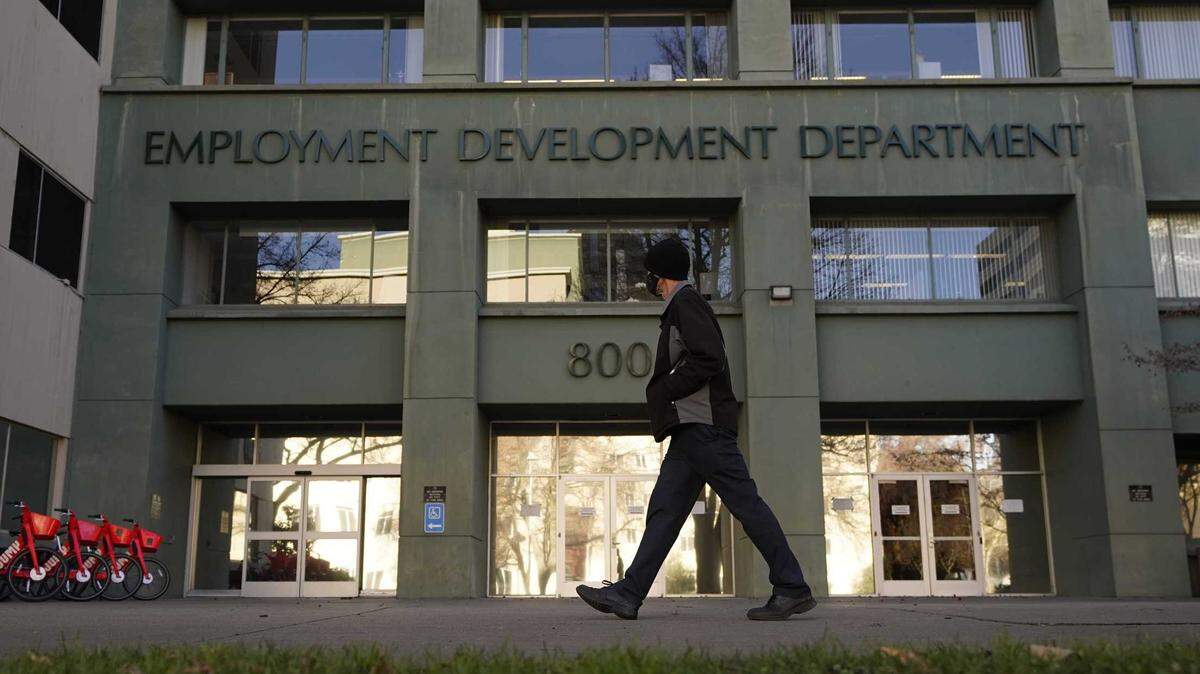
About 41,000 Californians who get emergency unemployment benefits will stop receiving them next week.
It’s a preview of sorts of what’s to come. Five major federally-funded unemployment programs end Sept. 4, and the Century Foundation estimates that more than 2 million people in the state will lose benefits, which can be as much as $750 a week.
The program that has been cut back immediately is the Federal-State Extended Duration (FED-ED) benefit. It’s payable to people who have exhausted their regular unemployment benefits and their available Pandemic Emergency Unemployment Compensation (PEUC) extension benefits.
The state estimates about 47,500 people are currently collecting FED-ED which has provided for up to 20 weeks of benefits. That maximum will be cut to 13 weeks starting next week.
The remaining 6,500 beneficiaries who still have a balance remaining under 13 weeks still can collect payments through the week ending Sept. 4, when the FED-ED availability ends.
The reason for next week’s change is that California’s unemployment rate has fallen below the level that Washington requires for the 20 weeks. The June rate was 7.7%, below the threshold set by the federal government at 8%.
Only three states had a higher rate in June, and experts worry people who most need the help could be hurt the most. “Much of our analysis has found that extension programs like FED-ED have tended to be lifelines for more vulnerable populations,” said Alex Bell, who studied the program at the California Policy Lab.
Who’s losing unemployment?
In a March Report, the Lab found that 35% of California’s FED-ED recipients were Hispanic, 31.8% white, 15.2% Asian and 8.8% Black.
It also found that nearly two-thirds of the recipients had a high school education or less.
The FED-ED program will no longer be available after the week ending Sept. 4, along with four federal benefit programs created as responses to the Covid-triggered 2020 recession.
The most widely used of the benefits has been the Pandemic Unemployment Assistance (PUA) program, which provides benefits to people not usually eligible for regular unemployment benefits. PUA recipients can include independent contractors, small business owners, gig workers and others.
The Century Foundation estimates that 1.05 million Californians will lose PUA benefits next month.
Another 989,229 people will lose payments they receive from the Pandemic Emergency Unemployment Compensation program, which also provides extension payments to people who have exhausted their regular benefits.
People have to exhaust all regular and extension payments before they could potentially qualify for the FED-ED benefits.
Also ending are federal programs that provided an additional $300 to each week’s unemployment benefits, and another that provided an additional $100 a week to people who earned both regular wages and more than $5,000 in self-employment wages.
Can benefits be revived?
The foundation report stressed that the job market will not suddenly be able to accommodate all these people.
“Millions of workers remain out of work, and despite progress, the labor market is nowhere near its pre-Covid 19 levels,” said Andrew Stettner, foundation senior fellow who authored the report.
There’s been little talk of extending any of the federal benefits. The view of Sen. Ted Cruz, R-Texas, was common among congressional Republicans.
“The existing employment programs remain. It’s simply the plus-up that for many people was paying them not to work than they made working. It tragically contributed to unemployment across the county,” said Cruz, a member of Congress’ Joint Economic Committee.
Committee Chairman Donald Beyer, D-Virginia, said when asked about the benefits’ future, “We need to strengthen our unemployment system to better meet the needs of our 21st century workforce and to ensure income support is adequate and tied to economic conditions on the ground to automatically extend and sustain benefits during future economic downturns.”
EDD is encouraging people who need aid to look into several benefit programs the state offers, including:
▪ Food assistance through GetCalFresh.org.
▪ Rental assistance. Check with HousingIsKey.com or at the Rent Relief Call Center.
▪ Cash help for families with children through the CalWORKS program
▪ Low cost health insurance through Covered California.
This story was originally published August 6, 2021 at 5:00 AM.
.jpg)