
Tax filing season has begun. Here’s why you won’t get fast answers to your questions from the IRS
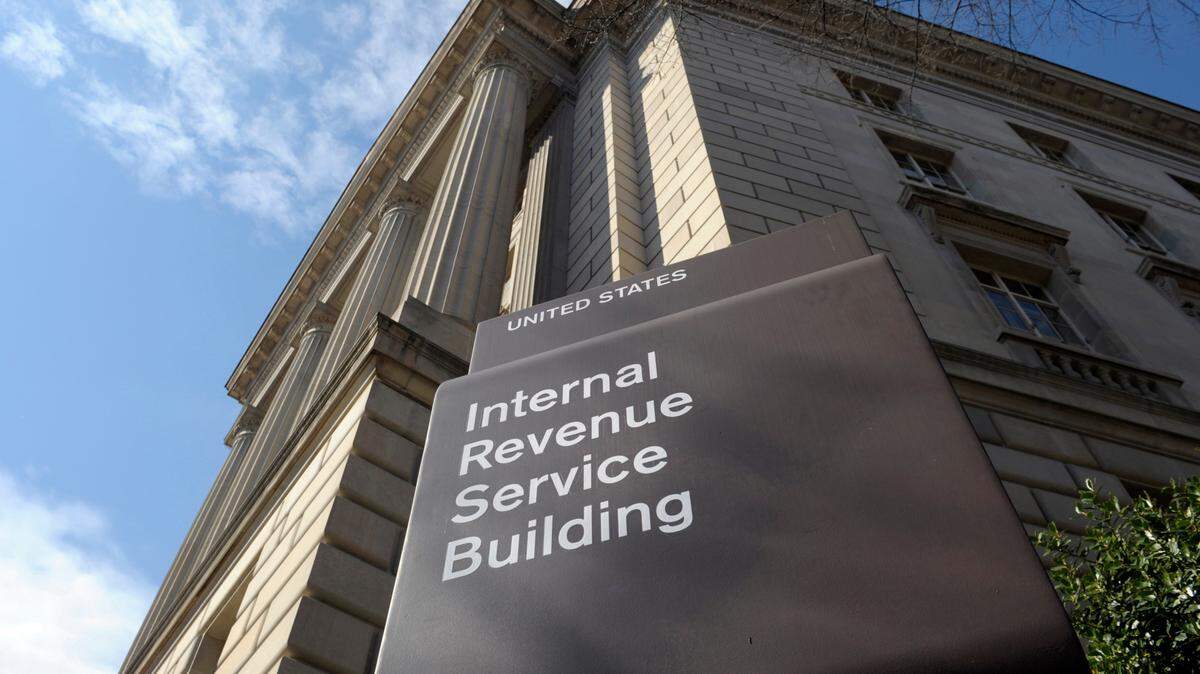
Phone lines will be jammed. New tax laws will create confusion. Getting quick answers from the Internal Revenue Service will be tough.
Federal tax filing season opened Monday, and both taxpayers and their tax preparers need to get ready for what’s likely to be a frustrating process.
“I am deeply concerned about the upcoming filing season,” Erin Collins, the federal National Taxpayer Advocate said in her annual report to Congress this month.
She cited a phone system where representatives last year were nearly impossible to reach. She saw confusion over 2021’s child tax credit expansion and economic stimulus payments. And she warned anyone still filing paper tax returns to be braced for lengthy delays.
Debi Linderholm, free tax prep manager at the United Way California Capital Region in Sacramento, found Collins’ conclusions accurate.
“I think the taxpayer advocate has hit the nail on the head with the potential issues they have outlined,” she said.
Can’t get through to IRS?
2021 had a myriad of unique tax-related issues that are expected to spill into 2022. COVID-19 upended the economy. New tax breaks and stimulus payments approved by Congress and Presidents Donald Trump and Joe Biden were implemented. The tax filing season was beset by lengthy delays in processing returns.
Anyone trying to get personal help from the IRS faced a mountain of trouble.
“IRS phone service has gone from bad to worse during COVID-19, with calls reaching an all-time high and level of service falling to an all-time low,” the advocate said in her report.
Even before 2021, reaching an IRS customer service representative was often difficult, but the advocate found that it was even tougher last year. Call volume tripled, and only 11% of calls reached a representative.
There probably isn’t a lot of hope things will improve dramatically between now and the tax filing deadline April 18.
“Even if a return to a pre-pandemic customer service model were possible, the IRS would simply revert to a system already in dire need of improvement.” the report said.
The IRS says it’s hired thousands of people to help with calls and is “diligently working” to increase staffing further this year. It plans to expand its callback service, where people are told when they will get a return call so they won’t have to wait on hold.
But, the advocate’s report said, it anticipates that taxpayers “will experience similarly low level of service (on phone lines) in the upcoming filing season and is concerned about the impact to taxpayers and practitioners.”
Stimulus and taxes
The biggest sources of confusion for taxpayers appear to be the changes in 2021 economic laws.
If someone did not receive their full economic stimulus payment, for instance, they can claim a Recovery Rebate Credit on their 2021 returns.
IRS is sending letters – officially, Letter 6475 — to help people with the payment. It deals with the stimulus program created in March 2021 and paid through the end of December.
About 80% of California adults were eligible for the credit. It was estimated to average $2,350 per California filer and their families, said an analysis from the Institute on Taxation and Economic Policy, a Washington-based research group.
The stimulus was based on 2020 income, so if income was below the qualifying levels last year, or your family added a child, you could be eligible for more credit.
Problems arose last year as people were not always ready to know that they were able to receive – and what they already have. Anyone who got stimulus payments last year got a letter, Notice 1444-C, from the White House.
Claudia Stanley, a certified public accountant in Fresno, reported that this feature often caused confusion last year.
“What we learned from last year is that those people who did not retain their letter with the amount IRS issued in rounds one and two may have had a sketchy memory of what was or was not paid out,” she said.
Her advice: Retain that letter and make sure your tax preparer sees it.
Another potential source of frustration this year: Trying to claim the full child tax credit. Qualified taxpayers got monthly payments of up to $300 per child from July to December, but can claim further credits on their return.
Qualifying families with children 6 to 17 could get a total tax credit of $3,000 per child for 2021. Those with children under 6 can receive $3,600. The monthly payments would cover half those amounts; the other half would be claimed on the tax return.
“We anticipate that there will be some confusion as this is a brand new tax situation for clients and preparers alike,” said Linderholm.
She advised setting up an account with IRS at https://www.irs.gov/payments/your-online-account.
That should help remind you how much you’ve received and how much you could qualify to get as a credit on the return.
At least, said the Taxpayer Advocate report, file electronically. “The unprecedented processing and refund delays taxpayers experienced in 2021 could be as bad, and potentially worse, in 2022,” Collins said, if people do not reconcile their child tax credits or stimulus payments properly.
Or, she added, ”if taxpayers do not file electronically.”
This story was originally published January 24, 2022 at 5:00 AM.
.jpg)