
The California jail that misused yoga mats + GOP women unite! + Dialysis lobbying
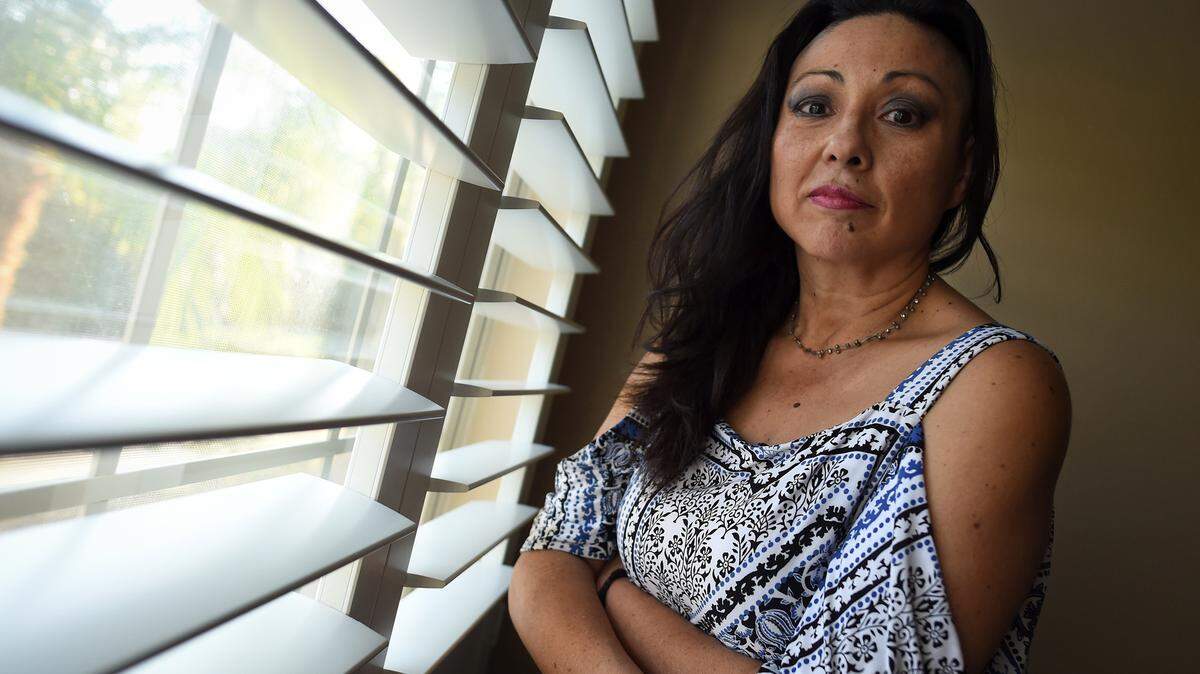
This morning we have a special guest, reporter Jason Pohl, who’s spending the year investigating California jails and the aftermath of the state’s prison realignment.
Hey everyone,
My reporting partner Ryan Gabrielson and I stood in a jail’s security video room, scribbling notes as deputies explained how they monitor the camera feeds and document details about health emergencies and suicide attempts in a log. We watched as the deputy flipped through the book.
Then we shot each other a glance, turned back to our notepads and jotted down a tiny detail: “Theraband strap as a marker in the logbook,” I wrote. “Yellow. Elastic.” The promotional, branded swag from the fitness company said so much about how we ended up touring Kern County’s jails.
In our reporting that published today, we detail how a state inspector last year called out Kern County’s staff for more than two dozen violations in a routine review of jail facilities. Most of the violations involved $60 Theraband yoga mats that deputies gave inmates locked in suicide watch cells — exercise mats they used as beds in rooms devoid of anything else. “It is a yoga mat, not a mattress,” the inspector wrote.
In the inspector’s report we saw an alarming three-word phrase: “Suicide watch overflow.”
We wanted to know more about suicide watch in Kern County, which sweeps people into isolation for days and weeks at at a time. Jail officials say there’s a “relatively light tripwire” to put people on watch, where they’re stripped naked, given paper-thin clothes and locked alone in closet-sized rooms where the lights never dim.
It’s an all-or-nothing precaution to keep people alive, they say.
But for years the county also missed other people who were risks to themselves. Kern County has one of the highest inmate suicide death rates in the state.
In exploring California’s county jails post-realignment, we’ve detailed how deaths have surged in some county jails. We’ve written about how inmate-on-inmate killings have climbed. And we’ve explored a $2.1 billion jail construction financing program that in most counties has not yet resulted in ground breaking on new, safer lockups.
Now we’re looking at what ties all of this together: oversight — or lack thereof. “We are not enforcement” the head of inspections for California’s corrections board told us. It’s that way by design. The board is powerless to force counties into compliance.
California lawmakers are saying the state needs to step in and change that.
Some states have inspectors that call attention to the deaths. Some announce their findings and publicly call for improvements. But in California, some reviews read more like invitations than warnings. “If you choose to address the noncompliant issues …” an inspector wrote after noting 27 violations in Kern County.
The sheriff’s office chose not to.
It bought more than 100 additional mats this year.
We also toured Kern County’s newest jail, built with $100 million in funds borne out of realignment.
Blue steel doors opened to a bank of suicide watch cells, each one occupied. One man with tattoos on his face stood at the window, staring toward the hallway as reporters walk by. Another man with scraggly hair sat cross-legged, motionless in his cell. One inmate had a blue yoga mat. Another’s was green, unfurled on the smooth concrete slab. Several men were hidden under their smocks, away from the fluorescent lights that bounced off the blue walls, day and night.
Three weeks after our tours when we asked about the violations, and about 16 months after the inspection, jail officials ordered suicide-resistant blankets. They told us they were doing away with the yoga mats — people on suicide watch still don’t receive mattresses, though.
P.S. Ryan and I will be speaking on a panel tomorrow at Stanford Law School about the unintended consequences of California prison reform. It’s free to attend, and you can register here.
BACK TO YOUR REGULARLY SCHEDULED ALERT
GOP WOMEN TEAM UP AT LUCAS
Donna Lucas and Cassandra Walker Pye, veterans of the Arnold Schwarzenegger administration, are teaming up at Lucas Public Affairs.
Lucas today is announcing Pye, a former political director at the California Chamber of Commerce, is joining the firm.
In the Schwarzenegger era, Pye was the governor’s deputy chief of staff and Lucas was his deputy chief of staff for strategic planning.
“Two powerhouse GOP women team up in public affairs,” their press release reads.
DIALYSIS IS BIG (LOBBYING) BUSINESS
via Sophia Bollag
Lobbying reports due last week show dialysis companies upped their spending as lawmakers considered a bill that cut into their profits.
From July through September, DaVita went from the 25th biggest spender for the year to the sixth while Fresenius jumped from 136th to 12th as the companies lobbied against a bill that will cut into their profits.
Both companies deferred comment about the spending jump to Kathy Fairbanks, a spokeswoman for the Dialysis is Life Support coalition. She said the coalition launched a campaign against the bill, Assembly Bill 290, in August to convince lawmakers it would hurt patients.
Gov. Gavin Newsom signed AB 290 into law last month. Starting Jan. 1, it will cap payment rates for dialysis companies in situations where a third-party like the American Kidney Fund is paying a patient’s premiums.
The American Kidney Fund has been accused of steering patients to private insurance with higher payment rates for dialysis companies, even though late-stage kidney failure patients in the United States qualify for government health insurance. The nonprofit, which is funded by dialysis companies, denies wrongdoing.
The group is suing to overturn the new law and notified patients last month it will pull out of California when the policy takes effect Jan. 1, saying the law prohibits it from operating in the state. If AKF leaves, the 3,700 kidney patients it assists in California must find a new way to pay their medical costs.
One of those patients, Bryan Carroll, had to leave his customer service job and move in with his elderly parents when he began dialysis, which he undergoes three times per week. The 40-year-old Sacramento resident said it’s typical for dialysis patients to have to stop working, which means many rely on assistance like the $270 he receives from AKF each month to pay his supplemental Medicare insurance costs.
“As of Jan. 1, I don’t know,” he said. “I know I’m going to have to make it… but it’s going to be a big hardship.”
Best of The Bee:
- California’s presidential primary is up for grabs. How to win it is the question by Bryan Anderson
Judge delays Nunes suit after McClatchy lawyer’s home heavily damaged in wildfire by Kevin Hall
Should California pension funds quit oil and gas? Report says they can earn more if they do by Wes Venteicher