
Californians and health care + Chamber likes new Prop. 13 and old Prop. 13 + Impeachment FTW
Top of the Tuesday morning to you, readers. We’re in the final few weeks of legislative respite. Soak it up!
INSURED
Despite California’s legislative efforts to increase access to health insurance, many residents reported in a recent UCLA California Health Interview Survey that they are struggling to afford their coverage.
More than a third of uninsured residents said the price tag associated with insurance was the top reason for skipping coverage. Nearly 20 percent said they were either confused or still learning about how to get insured, and 17 percent said they’re intentionally going without because they don’t believe in the coverage or think they need it.
“The findings came as no surprise to some health providers and policy experts who said the cost of health care remains an underlying challenge in California and beyond,” reports The Bee’s Mike Finch II. “The state’s high cost of living, which already weighs heavily on family budgets, is another factor.”
That reality prompted a handful of bills this year that reached the desk of Gov. Gavin Newsom.
The first-term governor approved legislation that will allow Californians who earn too much to qualify for Affordable Care Act subsidies to receive assistance through the state’s marketplace. signed a law that will penalize those who choose to go uninsured, an original provision of the ACA called the “individual mandate.” President Donald Trump’s administration has since rolled back that requirement.
Whether the Capitol’s efforts will help drive down the rate of uninsured Californians remains TBD, though.
“The state has created these new premium subsidies that are going to bring down the monthly cost of buying health insurance through Covered California,” said Scott Graves, a health care researcher at the California Budget and Policy Center. “That’s going to be a huge benefit for a lot of Californians who feel like they have been priced out of the health insurance market in recent years.”
“But most Californians still access health insurance through their employers, where premiums, deductibles and out-of-pocket costs have continued to rise in recent years, far outpacing wage gains,” Finch writes. “Workers who are eligible for insurance through their employer do not qualify for the Covered California subsidies.”
“The bottom line for employees is that they pay more and more,” said Niall Brennan, who runs the Health Care Cost Institute, a nonprofit think tank. “Premiums are going up every year. Deductibles are getting higher and higher.”
To read Finch’s full report, click here.
YES AND NO
The California Chamber of Commerce announced Monday that it will support one ballot initiative to finance upgrades to education facilities, but oppose another measure that would change California’s property tax law to send money back to schools and communities.
What’s the difference?
- The chamber is supporting a measure out of the Legislature that will allow voters to approve $15 billion in bond funding to support new construction of school infrastructure. The initiative, deemed Proposition 13, divides the billions into funding for preschool through high school and higher education institutions like community colleges and the University of California and California State University systems.
- But the chamber board also declared its distaste for a ballot proposal, called the Schools and Communities First Act, that would overhaul 1978’s landmark property tax law, which is also know as Prop. 13. If approved by voters, the proposed initiative would tax commercial properties at current, rather than purchase, value. The chamber also opposed a similar initiative its proponents pulled last year after it appeared unlikely voters would approve the change. This time, supporters carved exemptions for residential and agricultural property and delayed implementation for properties largely rented to small businesses. It’s estimated to generate up to $12 billion a year for schools and local jurisdictions.
The chamber said approving the initiative “would increase property taxes on business by 25 percent” and disrupt a “stable and relatively moderate” system. Supporters say it’s a long overdue effort to close “corporate tax loopholes.”
Hours after the chamber announced its positions on Monday, Health Access California endorsed the act, saying the money would be welcomed by local health and human services agencies.
“Resources raised by the initiative could help support our public hospitals and emergency rooms, providing more local investment in the face of potential health cuts at the federal level,” said Anthony Wright, executive director of Health Access California.
A TRUMP BUMP
The impeachment inquiry has been quite a thorn in the president’s side lately, largely portrayed by Trump as a fabricated investigation into a “perfect” July 25 phone call with Ukraine’s president.
Until now.
As the U.S. House of Representatives gears up for a floor vote to impeach Trump this week, the president can at least relish in recent polling that shows he and the economy are getting a thumb’s up from a larger portion of voters, despite the chaos.
According to a Monday Quinnipiac University survey, 43 percent of the 1,390 registered voters said they approve of Trump’s work, though 52 percent still aren’t convinced. The approval is a five-point bump from an Oct. 23 poll and a 2 percent increase from a Dec. 10 survey.
What doesn’t come as a surprise is the nearly total partisan split of the numbers. Ninety-two percent of Republicans surveyed said they support their White House leader’s job performance, while 94 percent of Democrats do not. The majority of women remain unconvinced, though the 38 percent who approve of Trump is the best number he’s earned so far.
And for close to 75 percent of the respondents, the economy is the best it’s been in nearly two decades.
“A 50-year low unemployment rate coupled with stocks hitting record highs are adding up to a rosy view of the economy and voters feeling optimistic about their own personal finances,” said polling analyst Mary Snow. “That view of a strong economy seems to be helping President Trump match his highest job approval rating since being elected, despite facing becoming the third president in U.S. history to be impeached this week.”
Trump also has nearly complete impeachment support from the Republicans surveyed, with 95 percent saying he should not be impeached. Eighty-six percent of Democrats support the effort.
QUOTE OF THE DAY
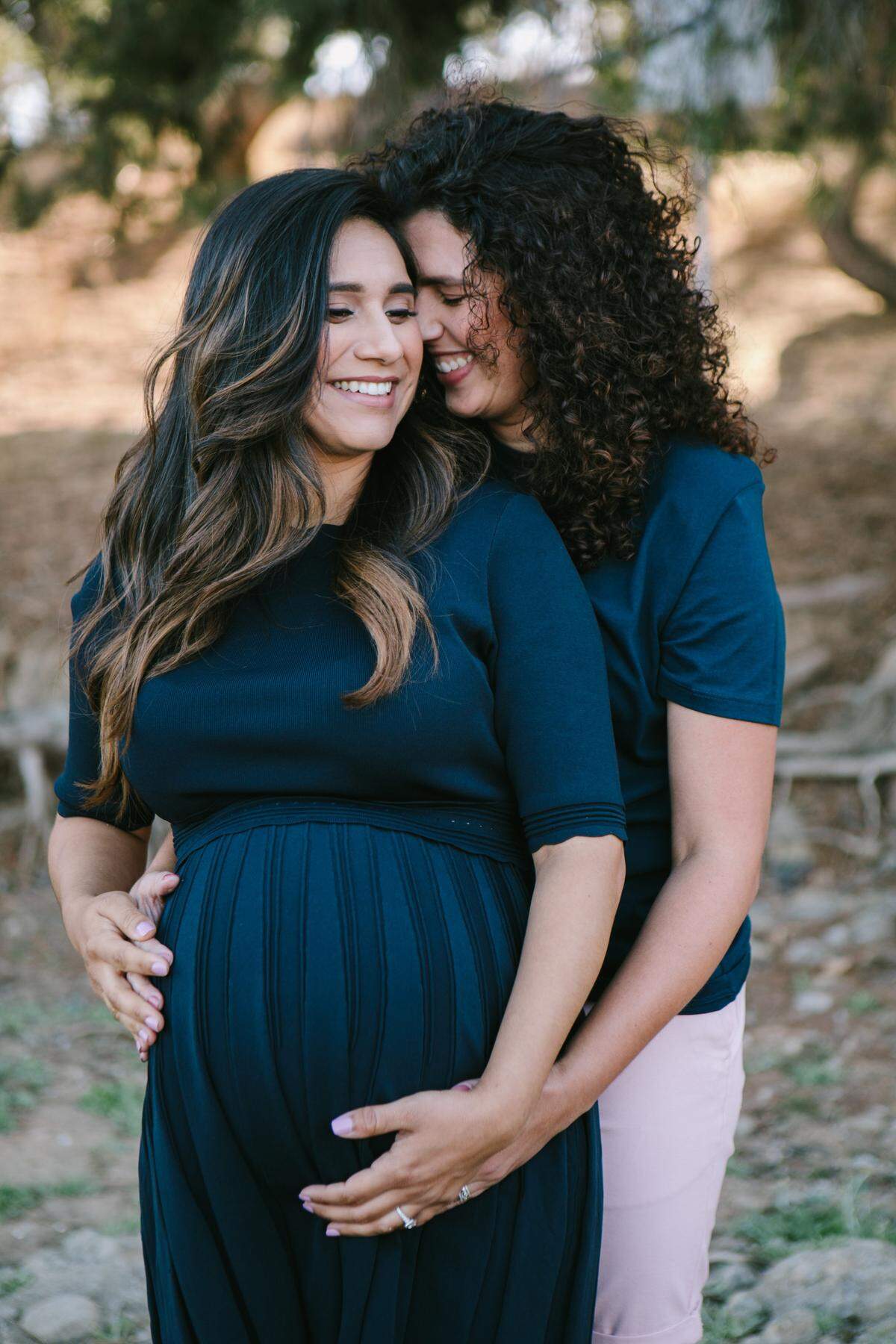
“My wife and I are blessed to welcome our three newborns into the world. We are deeply grateful for the love and support from our family, friends, and the medical team who have been with us on this exciting journey. We look forward to celebrating the holidays with the three newest additions to our family. At this time, we ask for your prayers and well wishes.”
- Assemblywoman Sabrina Cervantes, D-Riverside, in a Monday press release announcing the birth of her family’s triplets.
Best of The Bee:
As Californians weigh their options ahead of the state’s March 3, 2020 primary, Democrats are increasingly considering electability when deciding which candidate to support, by Bryan Anderson
More and more people are living on Sacramento’s streets, in makeshift encampments or their cars — or what the federal government calls “other places not suitable for human habitation,” by David Lightman
A popular sports website is severing ties with California-based freelance writers, and blaming a new state law taking effect Jan. 1 that dictates which kinds of workers must receive full employment benefits, by Andrew Sheeler