
Affirmative action moves forward + Where will Columbus go? + Rethinking cannabis enforcement
Happy Thursday! Another week is drawing to a close. Stay safe out there, and as always thanks for reading.
ACA 5 CLEARS SENATE COMMITTEE VOTE
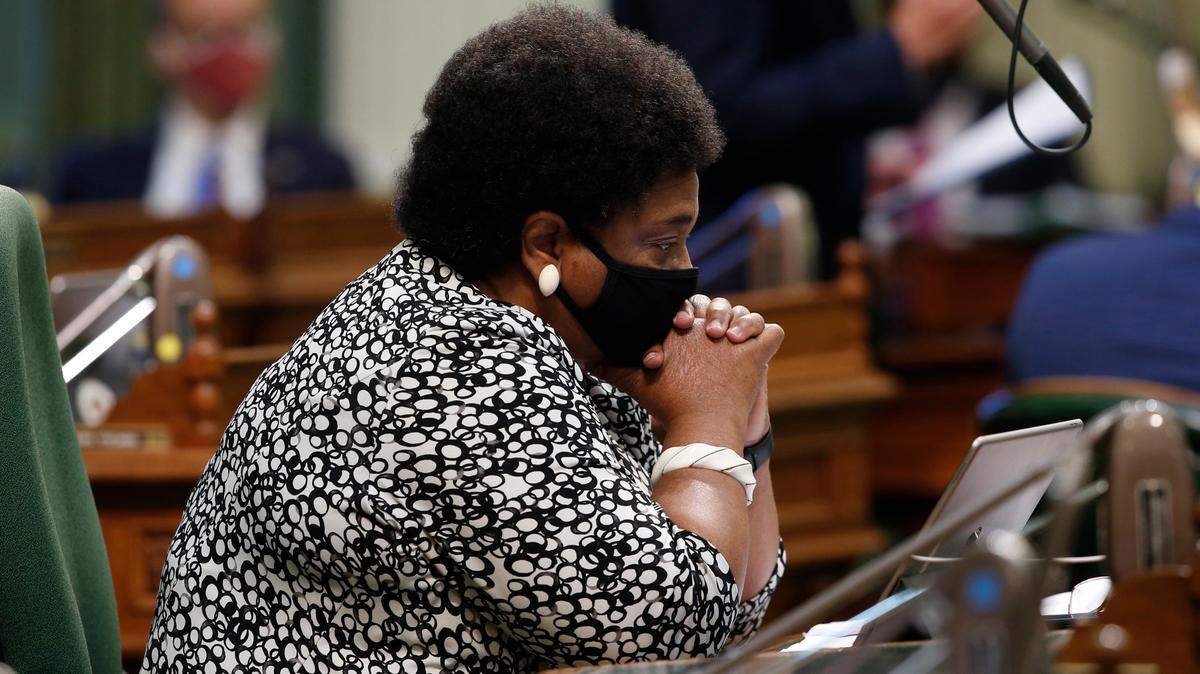
ACA 5 is on its way to the Senate Appropriations Committee after clearing a vote on the Senate Labor, Public Employment and Retirement Committee on Wednesday.
The proposes constitutional amendment is on a tight timeline: It must pass by June 25 if it’s going to make it to the November general election ballot, where voters would decide whether they want to overturn Prop 209 and restore affirmative action in the Golden State.
The effort has some real momentum behind it.
It has been endorsed by more than 450 organizations and leaders, including SEIU California, the California Federation of Teachers, the ACLU of California, California Secretary of State Alex Padilla, Lt. Gov. Eleni Kounalakis, and Insurance Commissioner Ricardo Lara.
The Opportunity for All Coalition, the political campaign that supports the amendment, issued a statement on Wednesday lauding the committee’s vote, saying, “This is a historic moment both for our coalition, and for California. With this vote, ACA 5 is the first legislation to reinstate affirmative action in California to receive successful votes in both houses of the Legislature.”
The State Assembly on June 10 voted 60-14 to pass ACA 5 and send it to the State Senate.
If the amendment makes it out of the Appropriations Committee, it will go to the Senate floor for a vote.
HOW TO MOVE A 5 TON COLUMBUS
Tall, regal and admittedly controversial, the marble statue of Queen Isabella and the explorer Christopher Columbus have stood frozen under the Capitol Rotunda for decades.
The Democratic lawmakers who ordered the statue’s removal this week expect it to be taken out of the Capitol before the Legislature returns from a summer recess. They have to figure out how to navigate the statue out of its historic spot without damaging the marble floors and ornate walls around it.
A hardhat-wearing construction crew winched away Jefferson Davis’ statue from the Virginia capitol earlier this week — but the marble sculpture of Queen Isabella and Christopher Columbus is larger. It weighs some 5 tons.
This isn’t the first time that the statue will leave the Rotunda.
From around 1975 to 1982, the statue stayed across the street as the Capitol was being restored. But despite pushback at the time from indigenous groups and the architect who led the renovations, Italian-American legislators succeeded in keeping the statue in the Capitol.
“I think it was a bad decision to return it,” said Fred Taugher, who was chief administrative officer of the Assembly at the time.
Matt Kristoffersen has more on the plans for the statue here.
DEFUNDING THE (CANNABIS) POLICE
Should California defund the cannabis police?
The group Public Health Advocates is citing two new studies, one from UC Davis researchers and the other from Youth Forward, to argue that rather than spend state cannabis revenue on more law enforcement, such funds should go toward community-led public health initiatives and investing in communities of color.
“Unfortunately, three years after the passage of Proposition 64, elected officials have made decisions that are failing to meet these expectations and to reverse the course of the War on Drugs,” according to one of two reports released by the coalition.
The reports come as state lawmakers are weighing a Bureau of Cannabis Control budget request to fund an 87-member police force that would expand the state’s capability to crack down on California’s billion-dollar unlicensed cannabis industry.
Advocates citing the two new research papers contend law enforcement agencies have a history of disproportionately targeting communities of color when it comes to marijuana enforcement.
In the UC Davis study, which examined marijuana-related arrests from 1996 to 2016, it was found that Black people were nearly four times more likely to be arrested and charged for marijuana-related crimes, such as possession with intent to sell, than were white people.
“In short, the law enforcement-centered approach to addressing cannabis has operated as a giant wrecking ball, destabilizing countless families and communities across the state,” the Youth Forward report reads.
QUOTE OF THE DAY
“Sacramento has to take a long-term perspective. Giving it a couple of aspirins and hoping California and its subsidiaries will be fine in the morning will not cut it. This is why I am opposed to this proposed annual budget.”
- Sen. John Moorlach, R-Costa Mesa, via Twitter.
Best of the Bee:
Citing the state’s progress in fighting COVID-19 infections, the California Highway Patrol has rescinded its ban on protests at the state Capitol and has resumed issuing permits for such gatherings “so long as they follow health and safety guidelines relating to the wearing of masks and physical distancing,” via Sam Stanton.
Will tax breaks for undocumented families and Medi-Cal coverage for undocumented seniors make it into the California’s final budget this year? Lawmakers and advocates are watching closely, via Kim Bojórquez.
California state worker and retiree health insurance prices are going up 4.4% on average next year, according to preliminary rates CalPERS published Tuesday, via Wes Venteicher.