
California cities kick back sales tax to online retailers. Proposed law aims to show how much
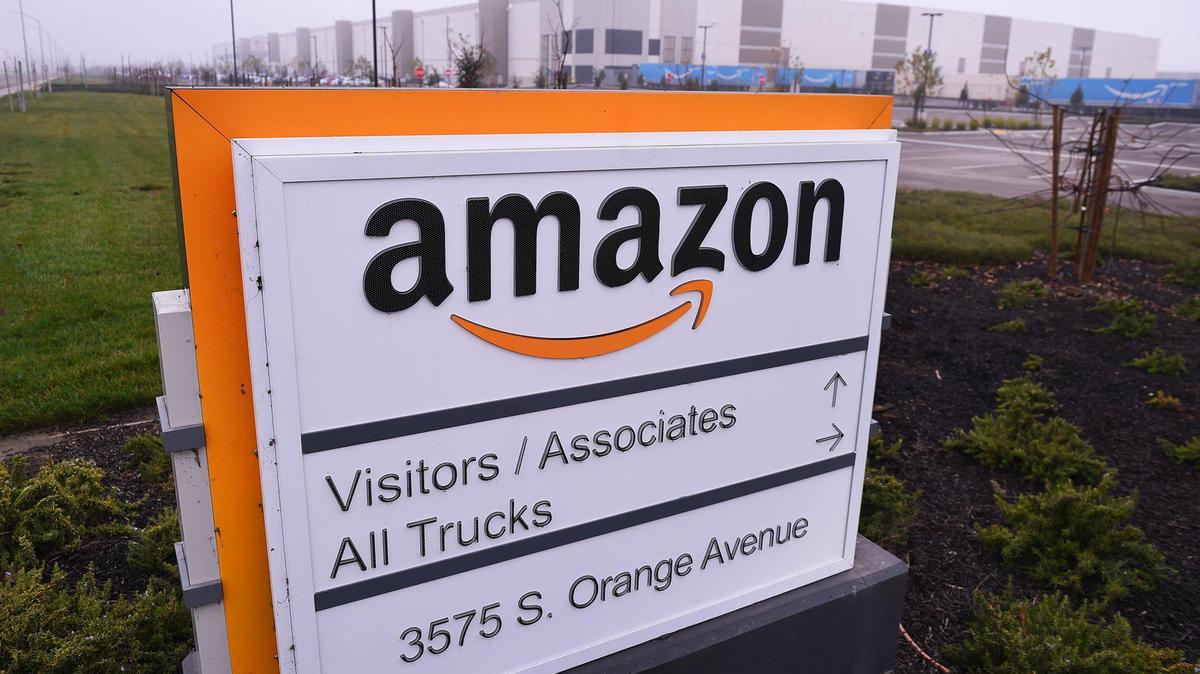
A bill moving through the Legislature aims to reveal how much money California cities are losing out to a group of local governments that gave tax-sharing deals to e-commerce giants like Amazon in bids to court warehouse jobs for their communities.
The deals are common, with cities like Fresno and Ontario agreeing to kick money back to retailers in exchange for opening distribution centers within their boundaries.
The proposal by Sen. Steve Glazer, D-Orinda, follows a 2019 bill Gov. Gavin Newsom vetoed that would have banned cities from offering new sales tax-sharing deals to online retailers.
Glazer’s new bill won’t prohibit the tax-sharing pacts, but the senator has said it could help make a case for curtailing the deals in the future. Senate Bill 792 cleared the Senate on June 2 and is headed to the Assembly.
“This bill, if it passes, is going to reveal the truth about who are the winners and losers,” Glazer said in the Senate committee hearing for SB 792.
When you buy something online, sales tax from your purchase doesn’t necessarily go to the city where you live. Instead, online retailers can choose to direct online sales tax to communities that house their warehouses, offices or sales centers.
Cities and counties all over California have offered companies like Amazon, Best Buy, Nike and more deals to open distribution centers. The cities say they benefit from the increased property and sales tax that comes with a large business, while the cities then return 50 to 80% of the tax back to the retailers.
In some cases, money also goes to attorneys who broker the deals, according to a series of reports by Bloomberg BNA.
“These companies benefit at the expense of the public, at a time when online shopping is at its peak and cities are struggling to fund public programs due to COVID-19,” Glazer said.
There isn’t a comprehensive list of tax-sharing agreements in California because although cities are supposed to post the agreements on their websites, most don’t, according to Daniel Weintraub, Glazer’s chief of staff.
In an agreement with Nike Retail Services, Inc., for instance, Ontario kicks back 50% of tax revenue to the retailer. That works out to an estimated $17.25 million over the deal’s 11.5-year term, according to the agreement.
The statewide sales tax rate is 7.25%, although it may be higher in some jurisdictions because cities and counties can increase rates. Of that 7.25%, the 1956 Bradley-Burns Uniform Local Sales and Use Tax allocates 1% to local cities and counties for general operations expenses.
It’s this 1% that online retailers can choose where to allocate.
“Corporations use this as leverage when negotiating where to locate within the state,” Glazer said at the hearing. “What results is a rigged process, driving cities to accept increasingly onerous tax-sharing agreements in exchange for online retailers sending all of the sales taxes that they collect in California to that single jurisdiction.”
Supporters of the bill include the League of California Cities, and 10 individual cities including Fullerton and Walnut Creek.
In opposition are the California Retailers Association, the California Taxpayers Association and the cities of Fresno and Perris. Fresno has tax-sharing agreements with Amazon, Ulta Beauty Nordstrom and Gap.
“We see this as another element of reporting that we need to do on top of the reporting we already do at the Department of Tax and Fee Authority,” said John Latimer, a representative for the California Retailers Association. “We respectfully disagree with the need.”
The California Retailers Association said this bill subjects retailers to an additional layer of data collection and reporting mandates that will come at a substantial cost for many retailers and require a significant change in compliance processes.
In a letter to the Senate Government and Finance Committee Chair Sen. Mike McGuire, the California Retailers Association also said this bill is a “continued attack on a policy that has created job opportunities in vulnerable communities around our state.”
This story was originally published June 11, 2021 at 5:25 AM.