
California to close caged canine blood colonies, give veterinarians new sources for plasma
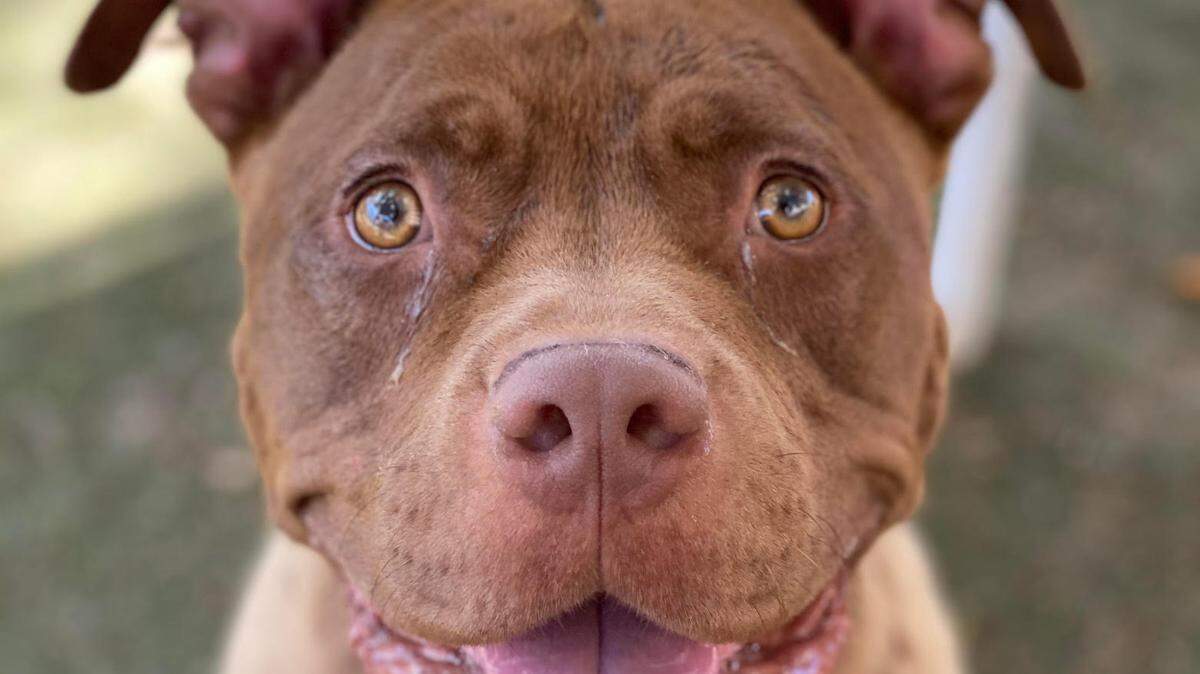
Gov. Gavin Newsom on Saturday signed a law that phases out the use of so-called closed-colony canine blood banks, where dogs are confined to provide blood to other sick dogs.
The law, Assembly Bill 1282, calls for the state to instead use community animal blood banks, which draw donor blood from volunteers.
The new law, authored by Assemblyman Richard Bloom, D-Santa Monica, and co-authored by Sen. Scott Wilk, R-Santa Clarita, authorizes veterinarians to operate community blood banks for animals, sourcing blood from animals volunteered by their owners.
It also allows for the importation of animal blood from other states that comply with California standards.
Under the law, the California Department of Food and Agriculture will be required to discontinue the licensing of captive closed-colony canine blood banks within 18 months of determining that community blood banks sold an annual amount of canine blood in California equaling or exceeding what closed-colony blood banks sold in four consecutive quarters.
An Assembly floor analysis of the bill found that there are several advantages to a community blood bank model over closed-colonies.
“First, the ethical assurance that the animals are not routinely exploited for their blood, as community-sourced blood banks rely entirely on volunteers pet owners. Secondly, community-sourced blood banking is likely cheaper, and avoids the cost of dedicated housing facilities and staff,” the analysis said.
The bill, sponsored by the group Social Compassion in Legislation, made it through the Legislature with bipartisan support, passing out of the Senate 38-1 and out of the Assembly 75-1.
Newsom vetoed a similar bill a year ago. He wrote at the time that the previous bill did not go far enough in putting an end to canine blood colonies.
“I am asking that the Legislature send me legislation that effectively leads to the phasing out of ‘closed colonies,’ where dogs are kept for months and years to harvest their blood for sale,” Newsom wrote. “The legislation should provide for the safe and humane treatment of donor animals, the welfare of the recipients and adequate oversight and enforcement of this program.”
Wilk noted the previous efforts in a statement.
“As they say, the third time is a charm,” Wilk said. “This is a long overdue and needed reform for commercial animal blood banks. I am glad to see this change — that will save pets’ lives — finally become law.”
This story was originally published October 9, 2021 at 6:29 PM.