
Could a tax on the wealthy help California fight climate change? Newsom and state Democrats disagree.
A schism has emerged in the California Democratic party over a tax on wealthy residents that would channel billions of dollars into greenhouse gas reduction mechanisms.
Prop 30, which will be on the November ballot, has support from the state Democratic party, seven Democratic state senators and 16 Democratic assemblymembers. So far, its main opposition has been from the state Republican party and the Howard Jarvis Taxpayers Association, a group dedicated to stopping state tax increases.
But now, Prop 30 has a new foe: the Governor.
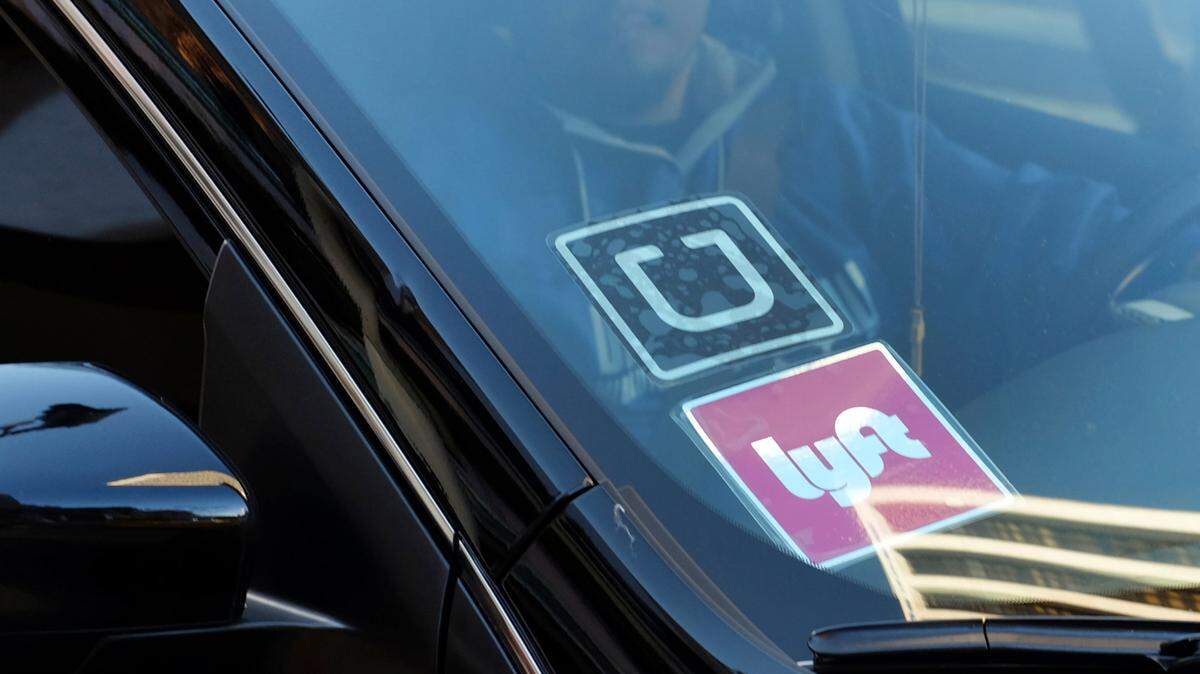
Gov. Gavin Newsom and the California Teachers’ Association jointly announced their opposition over the weekend. Newsom called the prop “a special interest carve-out” developed by a corporation for its own benefit. He’s referring to Lyft, the rideshare company which has put more than $8 million in contributions and loans into the campaign, according to July filings from Clean Air California, a committee supporting the proposition
“California’s tax revenues are famously volatile, and this measure would make our state’s finances more unstable — all so that special interests can benefit,” the Governor said. “Prop. 30 is fiscally irresponsible and puts the profits of a single corporation ahead of the welfare of the entire state.”
The proposition would impose a 1.75% income tax on Californians who make more than $2 million a year. The revenue would go toward subsidies and infrastructure for zero-emission vehicles, as well as wildfire prevention.
Advocates for the measure pushed back Monday. In a statement, Yes on 30 said that climate change is “devastating California,” and that the recent failure of federal climate legislation increases urgency on the state level to act.
“The Yes on 30 campaign is disappointed that Governor Newsom would side with the California Republican Party and billionaires to oppose a measure to fight climate change and reduce wildfires,” it said.
The CTA said that Prop 30 forces taxpayers to pay in place of large corporations.
“Prop. 30’s narrowly focused tax increase puts a special interest lock box on income taxes that traditionally would fund transitional kindergarten, public schools, community colleges, healthcare, public safety, and other priorities,” CTA President E. Toby Boyd added.
While it will not receive any direct subsidy, Lyft has several reasons to pour millions into the initiative. For one, it would provide rebates to drivers who purchase electric cars, making such a purchase more cost-effective and in the company’s best interest. Also looming over Lyft and Uber: the companies must make sure 90% of the miles logged by its drivers are in electric vehicles by 2030. Prop 30 could help meet this goal more quickly.
Lyft did not respond to a request for comment Monday afternoon.
Gov. Newsom has yet to weigh in on most of the initiatives. He’s split from Democrats several times recently: in the budget negotiations process, the governor remained at odds with Legislature Democrats for weeks over how best to provide Californians with inflation relief. He’s also taken recent events, including mass shootings and the Supreme Court’s overturning of Roe v. Wade, as an opportunity to argue that many Democrats aren’t doing enough to confront issues facing the country.
This story was originally published July 25, 2022 at 5:17 PM.