
Should California universities hire undocumented workers? Merced grad says ‘it’s needed’
This story is part of the Central Valley News Collaborative — a bilingual, community journalism project funded by the Central Valley Community Foundation and with technology and training support from Microsoft Corp. The collaboration includes The Fresno Bee, Valley Public Radio, Vida en el Valle, Radio Bilingüe and the Institute for Media & Public Trust at Fresno State.
As a UC Merced student, Beatriz Hernandez was eager to find a job in the sociology field that could benefit her career.
On one occasion, the sociology department partnered with a Merced nonprofit to offer jobs for students. During her interview, Hernandez revealed she is undocumented and ineligible for the Deferred Action for Childhood Arrivals program, as well as the work permit it provides.
She said she was thrilled to learn that she was among the top candidates for the position. But in the end, she didn’t get the job — and she believes it was due to her immigration status.
“Honestly, that was such a blow,” she said. “It was very difficult to process because for the first time, I thought I would have a chance of being like every other student and have a job. And it didn’t happen.”
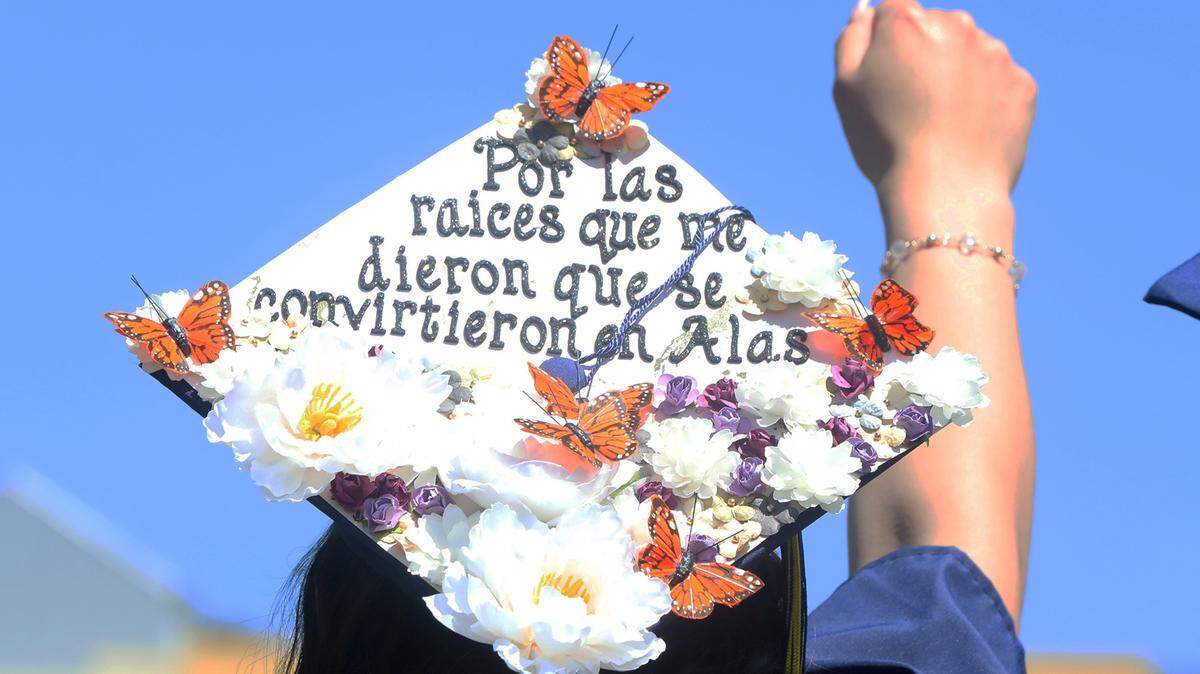
Hernandez graduated in 2019. But her three younger siblings — all current college students who are also undocumented and without DACA protections — could benefit from a new initiative that aims to increase employment opportunities for undocumented students across the UC system.
A proposal released last week by UCLA’s School of Law and Labor Center — called Opportunity for All — would “remove significant barriers” preventing undocumented students from working for the university system.
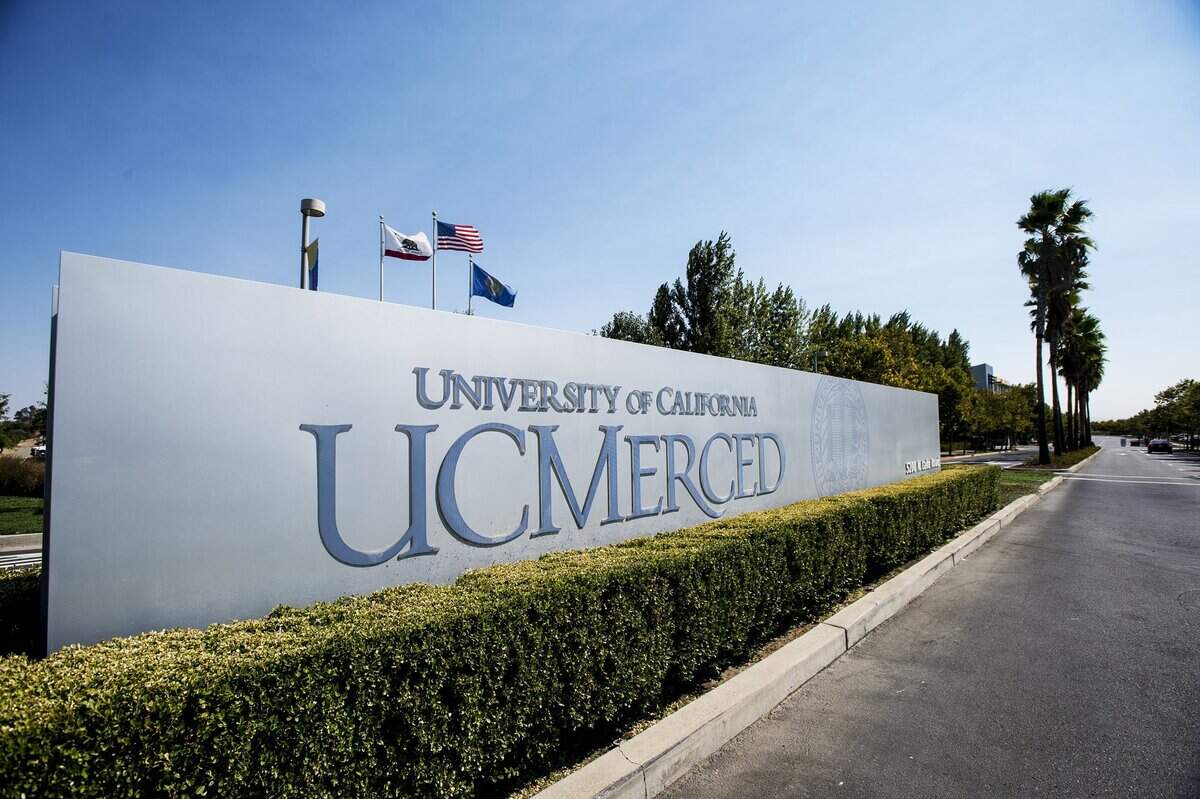
If the UC accepts the proposal, thousands of undocumented students and professionals could be eligible for teaching, research, internship and post-graduate roles across all 10 campuses. It could also make a significant impact at UC Merced. Approximately 600 students are at the San Joaquin Valley university undocumented, according to a university spokesperson.
The proposal is backed by 28 law experts across the country, including UC professors. In a 27-page letter and analysis, they urged the university system to hire undocumented students even if they lack employment authorization under federal law.
They recognized the proposal could face legal challenges. However, their research finds there is no law prohibiting the UC from hiring undocumented students since, they said, the system is a state entity that’s not bound by federal law.
“Denying equal opportunity to all students is not just unjust and contrary to the mission of the UC system,” said Gabriela Domenzain, the communications director for the Center for Immigration Law and Policy at the UCLA School of Law. “It turns out that legally there’s nothing stopping the UC system from providing undocumented students the same opportunities it offers all its students today.”
A UC spokesperson said the institution received the proposal and is in the process of determining the “appropriate” next steps for its consideration.
“The University of California has long been committed to supporting our undocumented students,” they said in a statement. “These are complex issues that deserve careful and thoughtful review.”
Undocumented California students seek jobs
Hernandez, her siblings and her mom arrived in Texas from the Mexican city of Guadalajara in March 2007. They hoped to reunite with their father, who was already working in Sacramento.
Hernandez said the first document that created a record of her family’s presence in the United States was their airplane tickets from Texas to California in August 2007.
They didn’t know it then, but by not having proof of being in the country before late summer in 2007, Hernandez and her siblings narrowly missed their opportunity to qualify for DACA.
.JPG "Beatriz_Hdz_Maria Ortiz-Briones_VDA_7-27-21 (15).JPG")
DACA grants deportation protection and a work permit to eligible recipients. To qualify, immigrant children and young adults need to prove they have resided in the U.S. since June 15, 2007, among other requirements. They must renew their DACA status every two years.
Following a series of court decisions, the federal government is currently accepting and processing DACA renewal requests for non-expired permits, but is not processing first-time DACA requests or those expired for a year or more.
There are more than 44,000 undocumented students enrolled in higher education across the state who are ineligible for DACA, according to the Higher Ed Immigration Portal, a platform that integrates data, policy analysis and resources to support students. In addition, some 27,000 undocumented students graduate each year from high schools across the state, according to the portal.
In California, these students are eligible to enroll in the UC system and qualify for in-state tuition and other scholarships. But without the work authorization provided through DACA, Hernandez and many undocumented young people don’t qualify for jobs while in school and after graduation.
“It doesn’t make any sense to invest all these resources, energy or space into giving access to education to undocumented students and then not help them be the best that they can be, to (reach) their fullest potential,” Hernandez said.
Some UC Merced students support proposal
The UCLA proposal would help ensure that all students have access to the same opportunities, according to representatives of UC Merced’s Latinx Student Union. More than half of the UC Merced population identifies as Hispanic.
“Academically, we’re all in these schools because we deserve them,” said Aaron Mejía, a fourth-year English major and the student union’s vice president for external affairs. “We’ve earned our spots in this school.”
The proposal, he said, would also even out the playing field for students.
“I want the (undocumented) students to be able to get these things without having to question, ‘is there something wrong with me?’” he said.
At least one expert who wasn’t involved in the UCLA proposal said she identified “no red flags” in its legal analysis.
“The usual rule is that states, under our Constitution, can govern themselves,” said Catherine Fisk, a professor at UC Berkeley School of Law. “And so states can decide who to hire for state jobs.”
California’s Labor Code protects all workers regardless of their immigration status. Fisk said the UCLA proposal follows that precedent — and wouldn’t be stretching the limits of the law.
“There are all sorts of things that at one point or another pushed the envelope, that in retrospect, we recognize were absolutely the right thing to do,” Fisk added, “both as a matter of morals and constitutional rights.”
In the meantime, undocumented students and graduates are forging their own career paths.
Hernandez is now a fellow with the California Immigrant Policy Center, manages her personal business and is starting a YouTube channel to share her experience as an undocumented former student and worker.
“I’m just happy that this campaign is happening,” Hernandez said. “It’s so needed.”
This story was originally published October 29, 2022 at 5:30 AM with the headline "Should California universities hire undocumented workers? Merced grad says ‘it’s needed’."