
California Senate sets special session date after Assembly passes bill requiring reserves
The California Senate will meet in a special session to consider legislation aimed at mitigating sharp, seasonal spikes of gasoline.
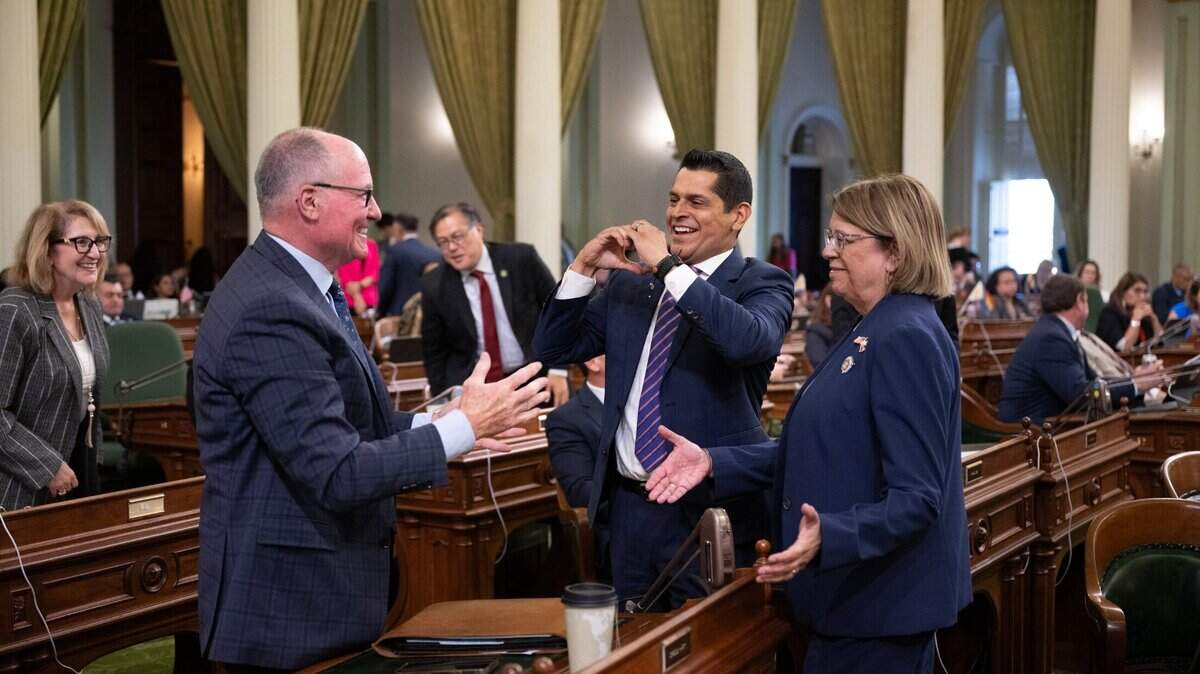
Senate Democratic leaders announced the plans Tuesday, hours after the Assembly passed a bill pushed by Gov. Gavin Newsom’s administration to eventually require the state’s oil refineries to keep reserves of gasoline.
“The Senate intends to work quickly and efficiently so that we can get Californians the relief they deserve at the pump,” Senate President pro Tem Mike McGuire, D-Healdsburg, said in a statement. “We’ll be ready to roll next week.”
McGuire said the Senate will have two committee hearings on the legislation next Monday and Tuesday, with a floor vote on Friday, Oct. 11.
Newsom had originally wanted lawmakers to pass the proposal in the final days of their regular legislative session, which ended Aug. 31. Members in the Assembly refused to take it up, arguing the proposal deserved more vetting in public hearings during a special session, which Newsom called on the last night of session.
The lower chamber made good on its promise to deliberate on the bill, holding more than 15 hours of public hearings in recent weeks to learn from experts about the proposal and how it could impact California’s unique gasoline market.
“The Assembly could have acted quickly at the end of August, but many of us felt that we did not have the appropriate amount of time to consider a bill of this magnitude in the last days of session,” said Assembly Majority Leader Cecilia Aguiar-Curry, D-Winters.
McGuire initially resisted a special session, saying his chamber was ready to pass the bill at the end of August. He later said the Senate would meet after the Assembly passed the bill.
The Assembly approved two bills Tuesday, including the refinery proposal, ABX2-1, and another to pave the way for 15% ethanol gasoline, a potentially more affordable blend.
The author of ABX2-1, Assembly member Gregg Hart, D-Santa Barbara, acknowledged that it may be amended in the Senate over lingering concerns about how it could affect refinery worker safety. Speaker Robert Rivas, R-Hollister, told reporters he anticipates calling his chamber back “in the next week or two” for a concurrence vote.
Two Central Valley Democrats, Jasmeet Bains and Esmeralda Soria, joined Republicans in voting against the measure. Several other Democrats did not vote, citing concerns about worker safety and whether it would actually lower prices for California drivers.
Republicans echoed those concerns and criticized the special session’s focus on price spikes rather than California’s overall cost of gasoline, which often averages the highest in the continental United States.
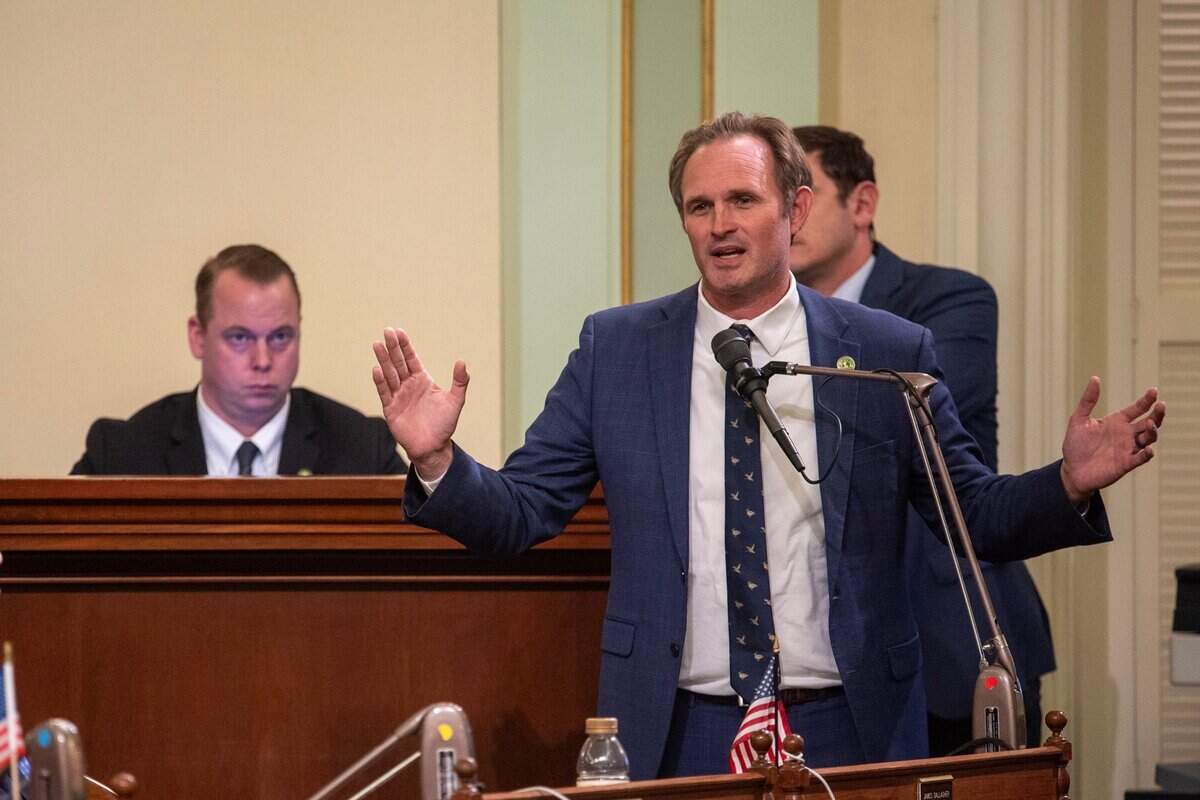
Republican leader James Gallagher, R-Nicolaus, said it “the proposal doesn’t lower gas prices. At best, in theory, it will stop gas price spikes.”
Republicans also pointed to an expected update to California’s clean fuel standard later this year, which Newsom’s administration at one point estimated could raise the cost of gasoline by up to 47 cents per gallon.
Rivas said he expected the bill would not receive unanimous support from his caucus.
“Naturally, you’re going to have legislators that have some disagreements over bills,” he said.
The oil industry opposed the bill throughout the Assembly’s hearings, arguing it could cost refineries to build new infrastructure and questioning other details of the proposal, which lawmakers said will be worked out during the regulatory process.
“The math behind this proposal is incomplete and fails to address key operational questions,”said Catherine Reheis-Boyd, President and CEO of the Western States Petroleum Association. “For example, how many days of supply will refiners be forced to withhold from the market? What will the storage costs be? And crucially, what happens if a price spike never materializes — are Californians then stuck paying more year-round for no reason?”
Newsom, who is in Mexico for the inauguration of the country’s new president Claudia Sheinbaum, thanked the Assembly for “joining with me in our efforts to prevent gas price spikes and save Californians money at the pump.”
“Just last year, price spikes cost Californians more than $2 billion – forcing many families to make tough decisions like choosing between fueling up or putting food on the table. This has to end, and with the legislature’s support, we’ll get this done for California families,” Newsom said in a statement.
This story was originally published October 1, 2024 at 5:37 PM.