
California Republican lawmakers raise questions about $3.4B loan to bail out Medi-Cal
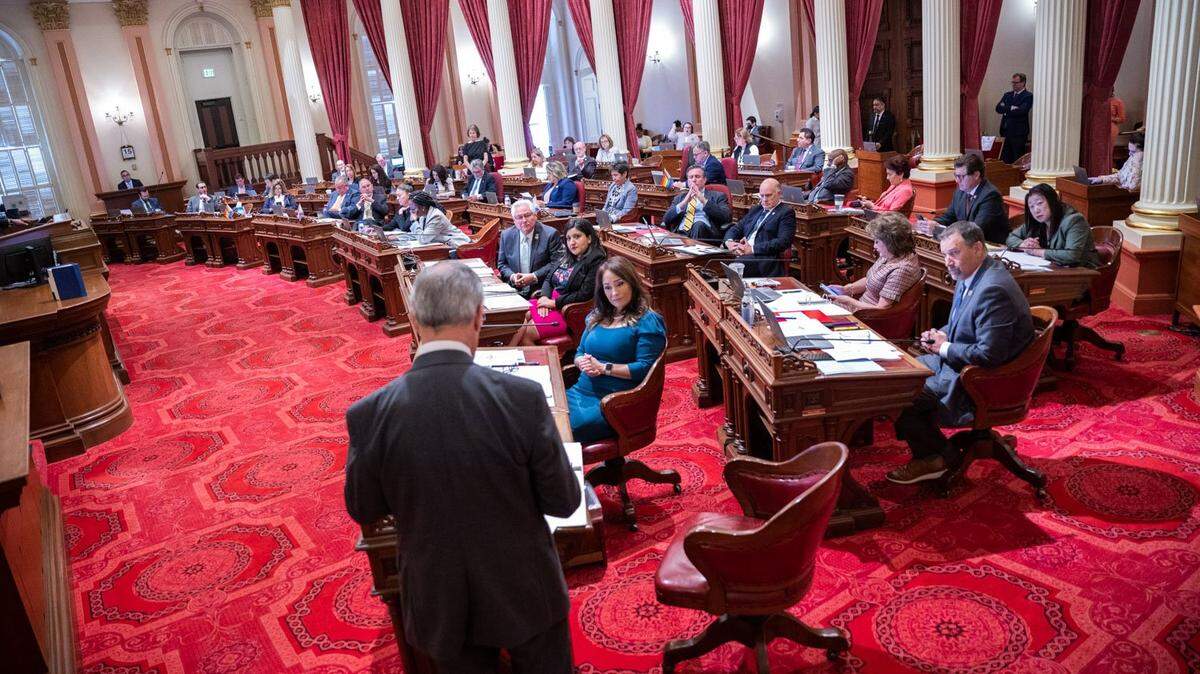
California lawmakers will meet Monday to discuss a controversial $3.44 billion loan to the state’s health care department this week.
The state’s Department of Finance sent a letter to legislators involved in the budget process Thursday to notify them it had approved the loan to allow the Department of Health Care Services to “complete critical payments” for Medi-Cal, California’s health insurance program for very low-income people.
The $3.44 billion is the maximum loan amount that could be authorized, according to budget analysts.
The one-page letter didn’t include specifics on what had contributed to the higher costs. The lack of information led to public questions from Republican lawmakers Friday morning.
An assembly budget subcommittee on health will take up the issue Monday morning.
Freshman Republican lawmaker Carl DeMaio, R-San Diego, said he believes the increase is due to the state expanding the Medi-Cal program to undocumented immigrants.
Since 2016, the state has been expanding Medi-Cal eligibility to different parts of the undocumented population. There are an estimated 1.8 million undocumented immigrants in the state. As of January 1, 2024, all people who meet the income limits are eligible for Medi-Cal, regardless of immigration status. The last expansion, to people between 26 and 49, was slated to cost about $2.2 billion annually. During a hearing in February, a representative from the state’s Department of Finance said the state is currently paying $9.5 billion to cover all undocumented Medi-Cal enrollees.
“The $3.4 billion loan is just the first of many I expect will continue to have to be made in order to prop up a failing program that simply cannot cover the costs of illegal immigrants,” said DeMaio.
The lawmaker added he wants undocumented people to no longer have access to Medi-Cal, and he wants the federal government to conduct an audit of its Medicaid reimbursements to the state. Medi-Cal is the state’s Medicaid program, which is funded partly by federal funds, although the federal government doesn’t reimburse for coverage for undocumented people.
DeMaio brought attention to the higher-than-anticipated health care costs in February during the Assembly budget committee hearing. He was removed from the committee without explanation a few weeks later, as part of a shakeup that affected mostly Republican lawmakers. Speaker of the Assembly Robert Rivas, D-Salinas, did not explain why DeMaio was removed.
Jason Sisney is the Budget Advisor to the Assembly Speaker. In an edition of his Substack newsletter issued Thursday, he said loans like this are “fairly common” for the Medi-Cal program, “but it is less common for the maximum loan amount to be authorized.” Last year, the finance department loaned the department of health care services $1.75 billion to make up for late tax receipts.
A spokesperson for Governor Gavin Newsom didn’t comment on how costs for covering undocumented immigrants were impacting the budget. However, spokesperson Izzy Gardon said the problem “isn’t new.”
“As the administration already outlined in the Governor’s January budget proposal, additional funding is needed to support Medi-Cal,” he said.
The authors of the proposed budget said they were anticipating the program to cost $2.8 billion more because of “higher overall enrollment due to continuing unwinding flexibilities and higher-than-projected caseload and pharmacy costs.”
That number includes $1.6 billion in additional pharmacy costs alone, attributed in part to increased usage of anti-obesity drugs, like Ozempic.
Gardon added the issue isn’t unique to California. Other states are also dealing with higher prices for their Medicaid programs. In some cases, it’s being attributed to sicker-than-expected enrollees.
“There are all these issues that I’m willing to admit is part of it, but we won’t know, the citizens won’t know, unless we have a hearing on this,” said Senate Budget vice-chair Roger Niello, R-Fair Oaks.
Rivas said there will be “tough choices ahead” in managing the budget, but Assembly Democrats “will not roll over and leave our immigrants behind.”
This story was originally published March 13, 2025 at 2:17 PM.