California Republicans secured funding for local projects. Where did it go?
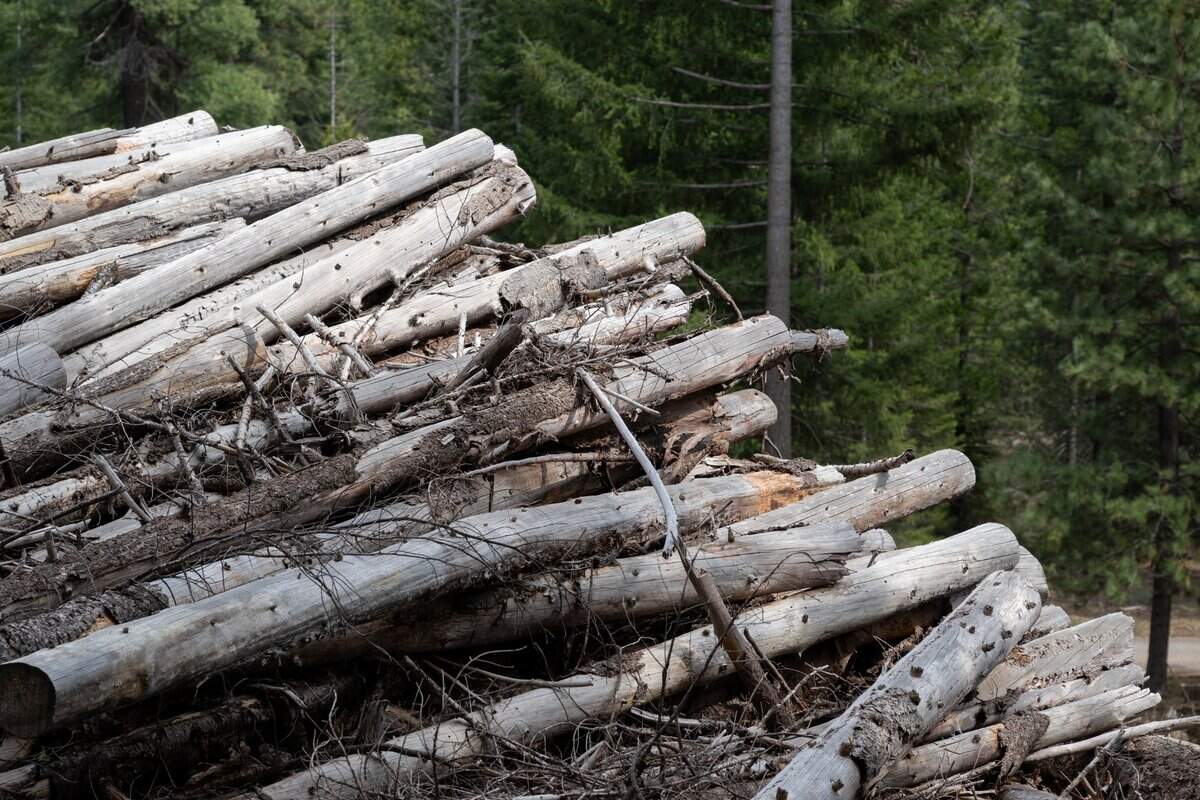
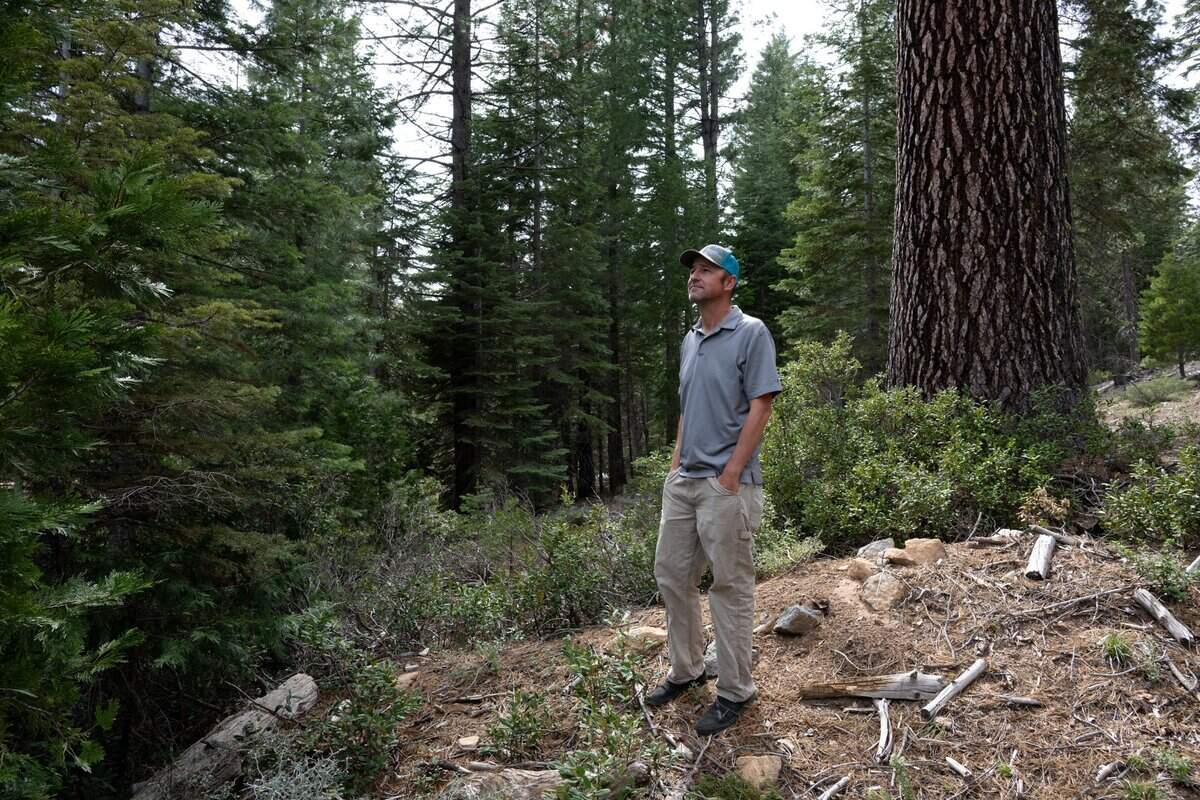
Jon Barrett stood near a pile of tree trunks about 20 feet high on Tuesday, hoping it would be cleared soon.
The Resource Conservation District of Tehama County, which Barrett manages, had applied for federal funding to do that after firefighters left the logs there while trying to stop a major blaze in 2021.
The district planned to work with a timber company to remove the pile, and many others close by, as well as clear vegetation from the forested area, near Lassen Volcanic National Park. If not, the timber could easily fuel a future fire.
“If this lights off it’s going to head way into the untreated forest,” Barrett said, threatening nearby communities, creeks and wildlife.
Instead, the funding did not come through after Congress effectively killed a list of special projects members wanted to support. That came after House Republicans — including those who fought for and boasted about their community projects — pushed through a budget bill in March in order to prevent a government shutdown.
Money for the Tehama County project, like so many others across the state and country, became another casualty of political fights in Washington, D.C.
Barrett traveled there in March to speak with members of Congress about forest-related issues. He said lawmakers shared bipartisan disappointment when the community projects lost their potential funding.
“Both Republicans and Democrats that I talked to were frustrated that their interests were denied,” Barrett said.
But it was a self-inflicted wound. All of California’s Republicans voted in favor of the stripped-down budget bill, which essentially was a vote knocking out the very grants they lobbied to put in the legislation — and the very constituents who relied on them to fund important local projects.
That included Rep. Doug LaMalfa, R-Chico, who put forward the Tehama County forest cleanup effort. He, like other House members, can get 15 community projects funded per year. The total grant amounts are determined by a complex formula. The conservation district had requested $3 million.
Charles Turner, professor of political science at Chico State, said the projects LaMalfa championed illustrate the value of the federal government supporting local projects, which in LaMalfa’s district also included requests to update computers in an emergency response center, increase water storage and rehabilitate an old library.
“As a constituent, I’d rather have him working on these things than denying climate change, restricting women’s health services, or any of his other hobby horses,” Turner said.
LaMalfa, first elected to Congress in 2012 and reelected easily in November, said his constituents understood what happened this year.
“They get the big picture.”
What districts lost
Congress is supposed to approve spending bills by Oct. 1 of each year, when the federal budget cycle begins. No full-year budget was passed this year.
Arch-conservatives held up the process with demands for less spending. Most Democrats refused to vote for a budget they said helped President Donald Trump’s agenda. As a result, Congress passed a series of measures that provided funding for a limited period of time, known as continuing resolutions. Community projects ended up on the chopping block.
The budget chaos proved another stark glimpse of Washington, D.C.’s often dysfunctional 2025-vintage politics.
Those dysfunctional politics are also are making potential community project fund recipients across Northern California wait longer to address failing or outdated infrastructure, climate and wildfire-related projects, and important updates to antiquated technological systems for first responders.
Frank Kennedy, the city administrator for Williams in Colusa County, said the community about 50 miles northwest of Sacramento has been trying to replace corroded and leaky pipes for years.
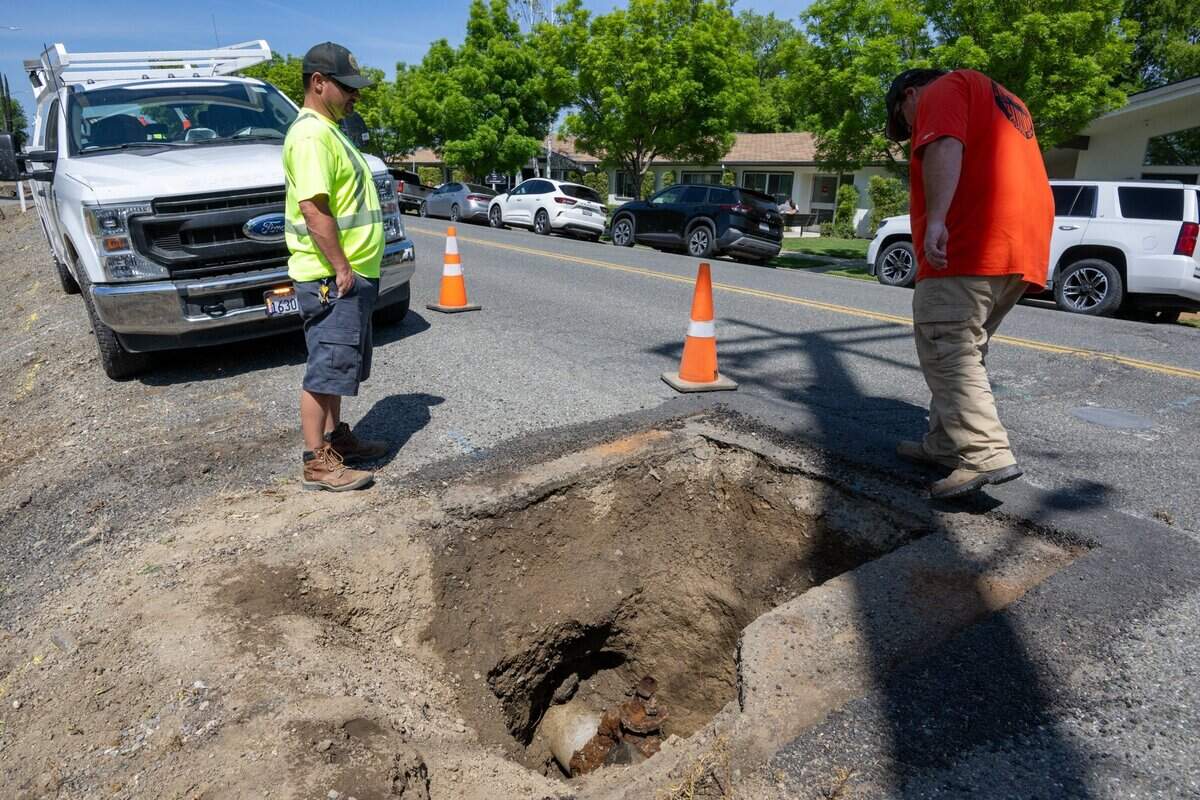
“We’re patching it to the point where we can keep it functioning.”
Much of the work is needed on E Street, the city’s main artery that runs by City Hall, a library and Granzella’s — the restaurant and deli with large billboards on Interstate 5.
Kennedy said the city is ready to get the project going once it receives money, and had requested almost $4 million for the job. The goal was to time it with another road project that will add a roundabout, bike lanes and sidewalks to E Street.
Now, that plan might not work. The other project is set to break ground next spring.
“You don’t want to put a street down and then trench it out,” Kennedy said.
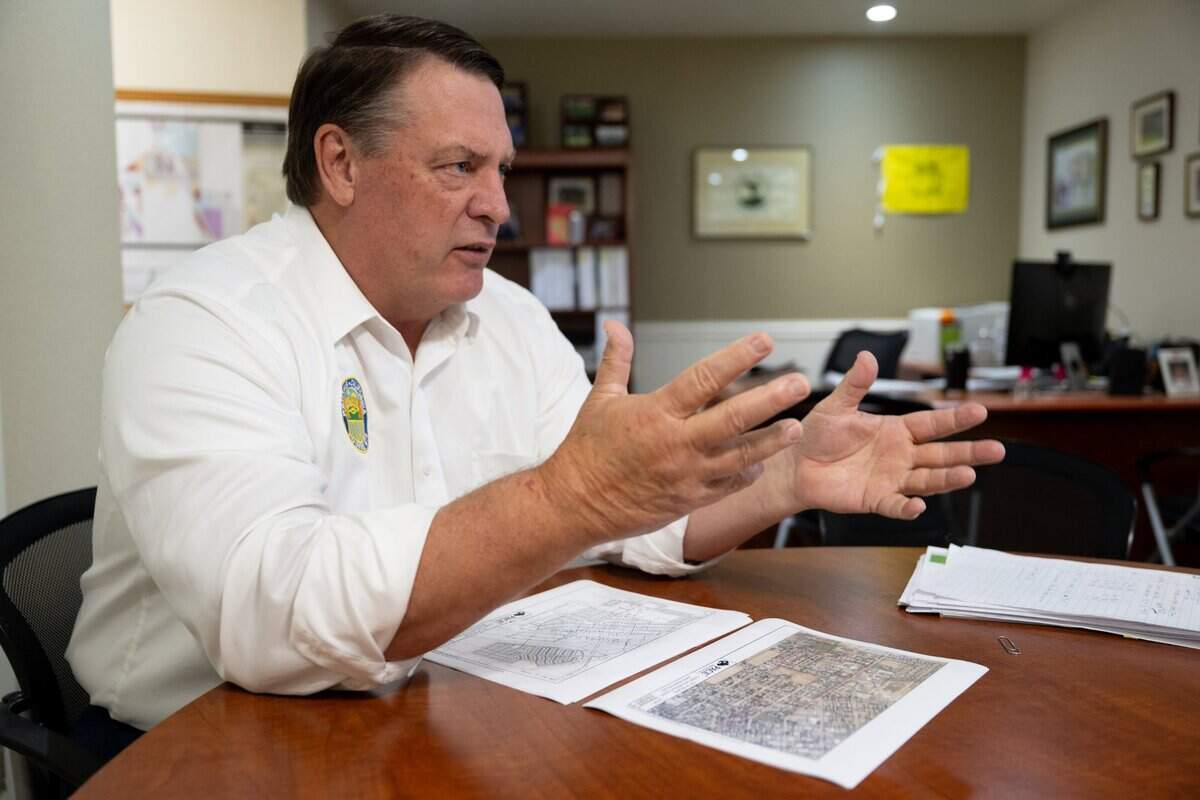
Farther north, and also in LaMalfa’s district, William “Tex” Dowdy, the sheriff of Modoc County, hoped federal money would allow his office to install backup generators for radio towers.
During the winter, solar panels that power the towers might not see sunlight for days, the sheriff said. That can cause them to go down, hurting the reach and quality of the radio system. Sometimes deputies have to rely on cellphones or landlines to communicate.
“It makes it hard for us to dispatch the appropriate first responders,” Dowdy said. The region, which borders both Nevada and Oregon, sees snowfall often.
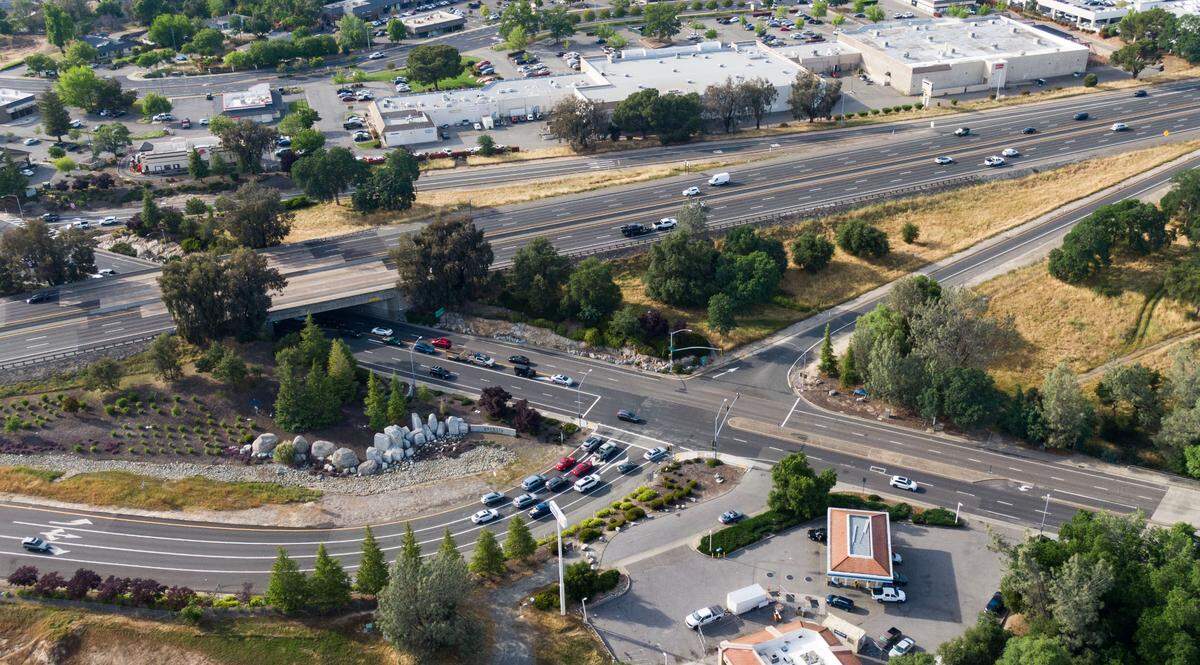
Down in Rep. Kevin Kiley’s Placer County, Rocklin officials wanted to secure $3 million to help build a new interchange at Interstate 80 and Rocklin Road, in an effort to improve the flow of cars.
Elizabeth Sorg, an assistant to Rocklin’s city manager, said in an emailed statement that because the community did not receive approval for the funding it cannot yet “move forward with bidding the work and beginning construction.”
Lawmakers respond
Kiley, R-Roseville, was disappointed his projects weren’t funded, but said lawmakers were also facing a tough choice in the March budget vote, which funded the government through the rest of this fiscal year. If the bill had not been approved, much of the government would have shut down.
“I think there was a process we should have abided by there, but at the end of the day we couldn’t shut down the government,” the congressman said.
Doing so would have meant “leaving military service members without pay and a whole host of negative ramifications. You can’t always get everything you want in every bill.”
The funding process has started over again ahead of the 2026 fiscal year. Kiley said many of the projects lawmakers put forward could get money in future bills.
For-profit entities cannot benefit. Neither can memorials or museums.
Representatives for some of the government bodies that requested funding said not getting money this cycle did not throw off their current plans or projects.
The Capital SouthEast Connector Joint Powers Authority asked for $10 million to help reconstruct a section of road in Folsom and El Dorado County, which is represented by Kiley. The authority is working on a project to connect Elk Grove, Rancho Cordova, Folsom and El Dorado Hills, and had applied for $10 million each from Kiley and Democratic Reps. Ami Bera and Doris Matsui for different sections of the job.
PLANNED EXPRESSWAY

Map: The Sacramento Bee
Still, Derek Minnema, the authority’s executive director, said in an email that not receiving the money, or even a portion of it, had no effect on the project’s timeline. The section of the project Kiley was seeking money for is set to be completed in 2030, he said.
Many of those that request help plan to reapply in the upcoming budget year.
Lawmakers ask those seeking project funds to fill out a detailed application. Kiley wants applicants to describe not only the money’s potential uses, but also include two letters of support from third parties within the community that would benefit from the project if funded.
He will then submit his 15 requests, and a House subcommittee will review it. If approved, it then needs the support of the full appropriations committee, and ultimately Congress.
The South Tahoe Public Utility District submitted a $1 million request to Kiley’s office to help replace deteriorating waterlines and install new fire hydrants.
The lack of funding this cycle has caused a delay on the project timeline, said Shelly Thomsen, its director of public and legislative affairs. Still, Thomsen, like others, avoided taking out any frustration on a specific member of Congress.
“For us to make the list is really incredible.”
Barrett, the Tehama County conservation district manager, is optimistic the forest project will eventually happen — whether with federal or state help.
“The delay’s unfortunate, but we will find a way.”
Good politics?
Not all lawmakers were sad to see the death of the grants in the latest budget cycle.
Rep. Tom McClintock, R-Elk Grove, doesn’t use them.
He and other critics have charged that too many of the projects over the years have been vanity efforts or favors to well-heeled constituents. They often cite the proposed 2005 money for the Alaska “Bridge to Nowhere,” which connected the city of Ketchikan to an island with an airport and 50 residents.
Congress banned earmarks in 2011, only to bring them back 10 years later as “community project funding.”
When Congress debated reviving the process in 2021, McClintock told colleagues in a House floor speech that the grants “harm the central tenet of federalism: that local projects should be financed by local communities, and federal expenditures reserved for the nation’s general welfare.”
He lost out in the debate. Most lawmakers find the process politically useful.
Sean Theriault, a government professor at the University of Texas at Austin, has studied earmarks for the Brookings Institution and finds that lawmakers like to be able to point to projects that are important to their voters.
Under the current system, lawmakers must make their requests public, tell why the project is needed and certify that neither they nor their families had any financial stake in the plan.
“At the margins, they can be important — for some electorally vulnerable members, very important,” Theriault said.
That’s because many of those requesting the money rely on federal help.
Siskiyou County Sheriff Jeremiah LaRue said his office wanted to buy a machine to quickly analyze DNA and a large vehicle to help with crime scene investigations. Now, it will have to wait.
“It’s difficult for small communities to be able to fund these humongous projects,” LaRue said. “We’re just hopeful they will see that as an actual need.”
.jpg)