Guards bar volunteers, reporters from Sacramento immigration court hearings
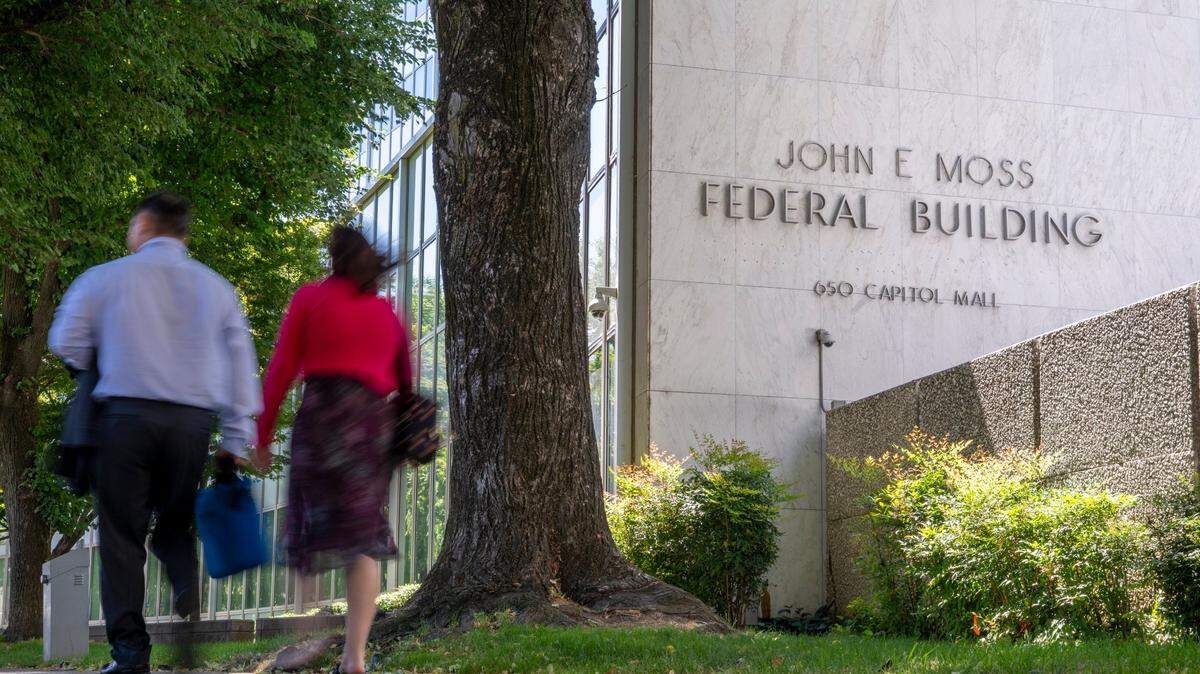
Federal authorities detained at least four more individuals Friday morning at Sacramento Immigration Court and restricted public access to the building, amid a week of heightened scrutiny and local protests against the Trump administration’s immigration enforcement tactics statewide.
Security guards barred entry to the head of a legal organization, volunteers seeking to accompany immigrants to hearings, and reporters from accessing the courthouse near the state Capitol.
That followed a Thursday afternoon protest outside the John E. Moss Federal Building against recent courthouse detainments. Last month, federal authorities in plainclothes started detaining people who had just finished hearings, part of an effort by the administration to increase deportations nationwide.
In total, attorneys and The Sacramento Bee witnessed at least seven people who were detained at the courthouse this week.
Katie Fleming, an immigration attorney at the Acacia Center for Justice, an organization that provides legal support for immigrants, said she was walking with a woman who had a hearing inside the courthouse when federal authorities descended on a man next to them.
The woman with Fleming collapsed and had a panic attack, she said.
“The fear that this is causing is real,” the attorney said, after leaving the courthouse. “That was a really jarring experience and one I soon won’t forget.”
Fleming was initially denied access into the building along with Kamalpreet Chohan, who also provides pro bono legal help to people with their immigration cases.
Nichole Rodriguez, the court’s administrator, eventually let them in after telling the attorneys the decision to restrict access Friday was not made by her but by the Federal Protective Service, a law enforcement agency under the U.S. Department of Homeland Security.
A Bee reporter was not allowed to go into the courthouse. A federal police officer told the reporter to contact a spokesperson for the U.S. General Services Administration. The spokesperson, after taking the reporter’s call and request for entry, did not grant access and did not respond to a follow up call and text. The reporter was unable to enter the building.
Shaina Aber, the Acacia Center for Justice’s executive director, was also not allowed into the courthouse. She was planning to observe the court docket that was filled with cases of people who are not represented by an attorney.
“Taking these hearings outside of the public purview and not allowing people to actually understand what is happening to people in their proceedings is a tactic,” Aber said.
Legal experts said it was highly unusual for observers to be kept out of Immigration Court. Federal regulations governing these administrative courtrooms say that most proceedings are open to the public and limit the ability to close them to individual judges.
Blake Nordahl, who teaches immigration law at the University of the Pacific’s McGeorge School of Law in Sacramento, said the U.S. Supreme Court has not specifically ruled on whether the public has a First Amendment right to attend immigration proceedings, and that appeals courts have split on the question.
But he added: “The default is that hearings are open to the public.”
Judges can close their courtrooms in cases where privacy is important, such as those involving child abuse, domestic violence or certain asylum cases, he said. Public lobbies or waiting areas for Immigration Court would not be closed under those circumstances, Nordahl said.
Chohan said she tried to file paperwork to represent the men detained Friday — something she has done before as a pro bono attorney — but was told she could not do so because the U.S. Immigration and Customs Enforcement office inside the building was abruptly closed.
Security guards also prevented volunteers from the activist organization, NorCal Resist, from going inside. NorCal Resist volunteers accompany people attending court hearings and help them with paperwork. The guards also prevented volunteers from going into the building Thursday afternoon, said Giselle Garcia, a member of the organization.
“Clearly they don’t want the public in, to witness and document what they’re doing,” Garcia said.
NorCal Resist volunteers provided a letter from the American Civil Liberties Union of Northern California to a security guard that said suddenly cutting off public access to the court would go against the First Amendment, federal law and court policy. The organization recently wrote a letter to a judge at Concord Immigration Court after observers also reported restrictions on public access there.
The security guard in Sacramento accepted the letter but did not let the volunteers inside the building.
This story was originally published June 13, 2025 at 1:49 PM.