Gavin Newsom greenlights a half-billion dollars for California’s sinking Hwy. 37
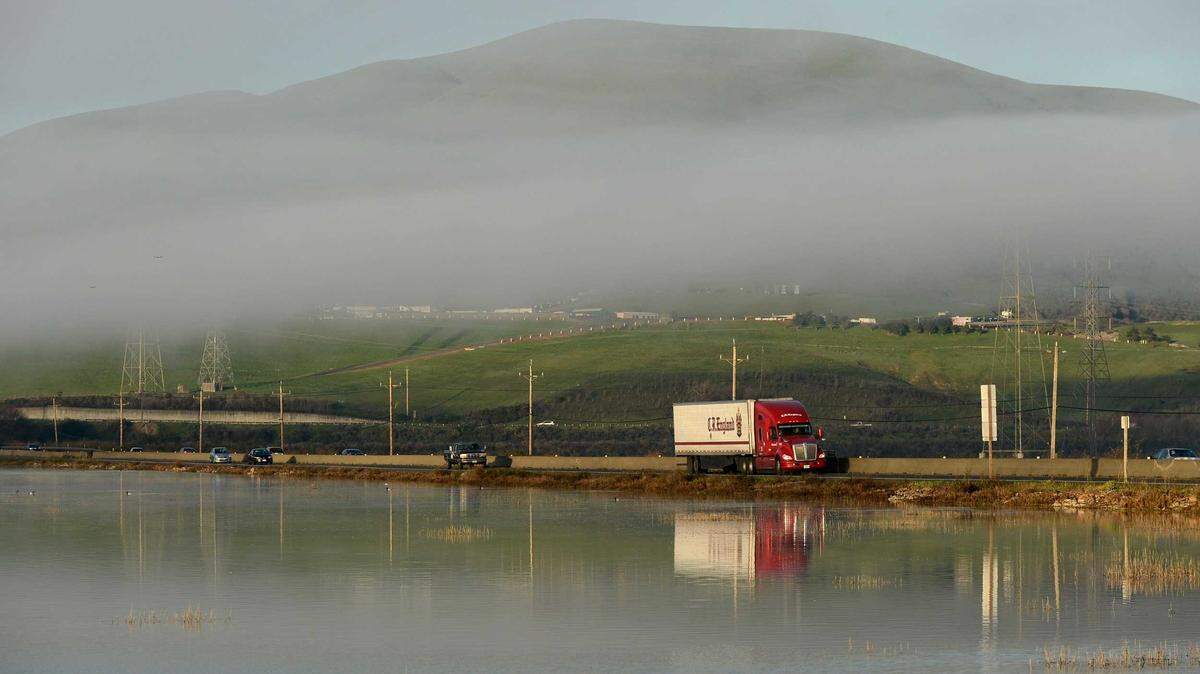
Gov. Gavin Newsom signed Assembly Bill 697 into law Wednesday, allowing expedited construction on a projected $500 million project to widen part of Highway 37 as it continues to subside into Bay Area marshland.
The bill, authored by Assemblymember Lori Wilson, D-Suisun City, carves out exceptions to endangered species law so that construction on the roadway can have a larger window.
Wilson, Caltrans officials and local transportation agencies have said that adding an additional lane to the roadway will reduce congestion. Many of the drivers are low-income commuters who travel from homes in Vallejo and Solano County — where housing is relatively affordable — to jobs in Marin and Sonoma counties — where housing is unaffordable for many. But the expressway connecting them to those jobs has a limited lifespan: Documents previously reported on by The Sacramento Bee show that it is sinking into the marsh and that it’s surrounded by sinking levees and berms as sea level rises and threatens to inundate the highway.
Caltrans has projected that sea levels could rise by a foot by 2050.
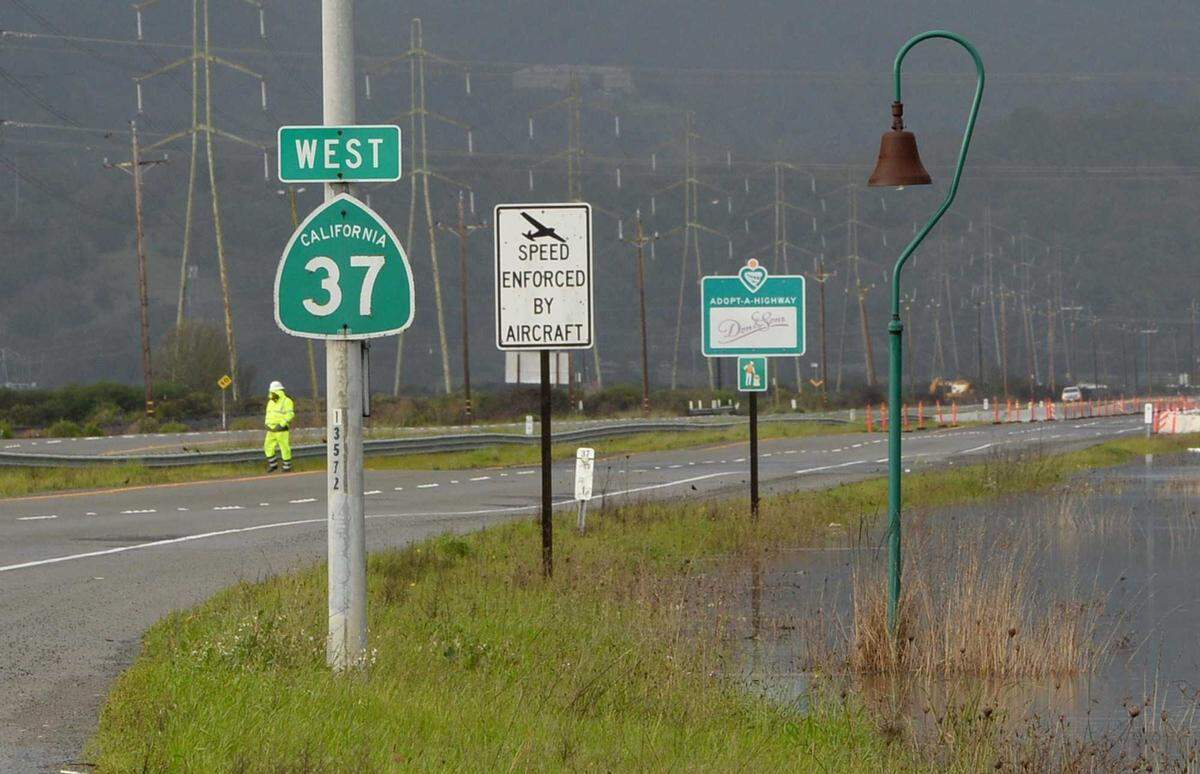
The agency has noted that additional weight from construction could further accelerate the rate of subsidence. The expansion project would raise one bridge by several feet, but most of the roadway would be elevated by no more than eight inches as more lanes are added.
In a statement from Wilson’s office, Transportation California chair Steve Clark called the new law “a win for smart infrastructure, the environment, the environment, and working Californians stuck in traffic.” He also described the project as “cost-effective.”
Caltrans has said that the highway project “does not address sea level rise.” It will be subject to increasingly frequent flooding due to rising seas and storms that are becoming more common and more extreme due to climate change.
A longer-term solution under consideration by Caltrans is an elevated causeway that would lift the highway above future flood levels. That project is expected to cost more than $10 billion and currently has no dedicated funding.