
Why do California cities, counties pay millions to lobby their own statehouse?
AI-generated summary reviewed by our newsroom.
- California cities and counties spend millions on Sacramento lobbyists to compete.
- Top 35 cities reported $3.4M through three quarters to private lobbying firms.
- Reliance on private lobbyists raises equity and integrity risks for poorer cities.
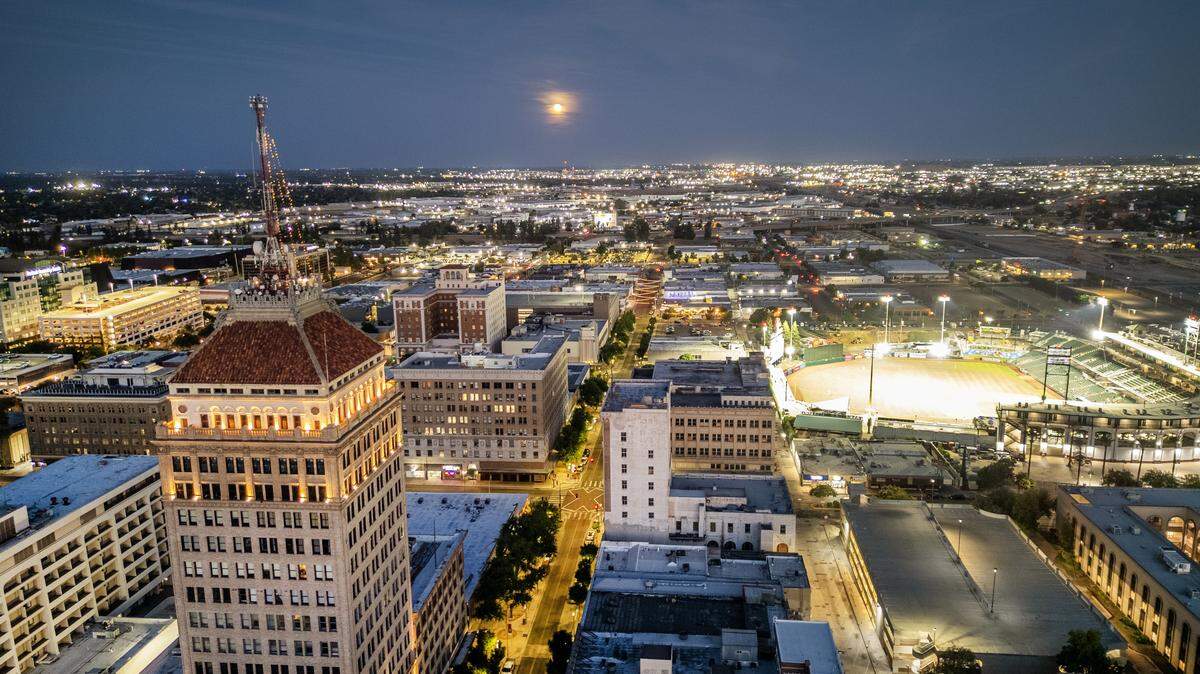
When federal agents arrested Greg Campbell, a prominent Sacramento lobbyist, last month on fraud allegations, his client, the city of Fresno, was quick to cut ties with him.
Within a day of Campbell’s Nov. 14 arrest, Fresno’s mayor announced the end of a $180,000-a-year contract with Campbell Strategy & Advocacy that the firm has held since 2022. The firm’s website, which is no longer active, previously listed the Central Valley city of around 550,000 people as a client, alongside the San Francisco Giants, Amazon and the gambling giant Draft Kings.
Fresno was nearly as quick to start looking for Campbell’s replacement. By Thanksgiving, city officials had posted a request for bids from new lobbying firms, with a due date set for Dec. 15.
With a pivotal legislative session for the state’s budget beginning January 5, it’s little wonder Fresno is racing to replace him. In California, a city that doesn’t hire private lobbyists to represent it in Sacramento risks falling behind.
Through the first three quarters of this year, the 35 largest California cities (Fresno is fifth on this list) have spent a combined $3.4 million in public funds on private lobbying firms, according to public filings analyzed by The Sacramento Bee. Only two cities on that list did not report hiring a lobbying firm — Garden Grove and Lancaster.
City and county officials interviewed by The Bee said such fees were necessary expenditures for local governments competing with each other and with private industries in a political system flooded with lobbying and campaign finance dollars. But the spending raises questions about equity between rich and poor cities. Meanwhile, Fresno’s quick severance of ties with Campbell highlight the risks of relying on private actors, and paying them public dollars, to further a local government’s legislative interest in Sacramento.
Campbell has pled guilty to bank fraud and defrauding the federal government. None of the charges against him involve his lobbying on behalf of Fresno, and his attorney has said neither Campbell nor his firm received any financial benefit from the corruption scheme that led to his criminal charges, which involves campaign funds.
Governments are lobbying heavyweights
Cities aren’t the only government entities employing private lobbyists in California, and their spending is just a piece of a much larger pie.
The state’s counties have spent more than $4.1 million on such firms. Smaller cities also hire firms, but The Bee did not calculate the total. Most of the contracts are retainers — with the lobbying firms receiving an equal payment each quarter. With the last quarter of 2025 not yet reported, it’s likely the total of taxpayer dollars flowing from local governments to lobbyists in 2025 has already surpassed $10 million.
And that’s just at the state level. Many cities and counties have separate contracts for lobbyists working in Washington, D.C.
Private lobbying firms aren’t the only way local governments spend public funds on legislative advocacy. Cities, counties and other government entities in California spend millions more on membership dues to associations like The League of California Cities, which represents the interests of cities writ large, or the California State Association of Counties, which does the same for all 58 counties. Some counties and cities also have legislative advocates on their staffs.
Sacramento County pays three lobbying firms, the largest being Cruz Strategies, which has received $126,000 from the county so far this year, according to the most recent filings. The city of Sacramento has paid two firms a total of around $114,000.
California’s government, like the nation’s, carries built-in representation for county and city residents in both the statehouse and the nation’s Capitol — the state and federal lawmakers voters elect to represent their interests. So it can be striking, at first glance, that those same voters’ tax dollars also go to lobbying firms, sometimes to speak to their own legislative delegation, Julia Payson, a political science assistant professor at UCLA, said.
“This seemed just surprising that in a democratic system this needs to happen,” said Payson, who has studied the issue. But as she examined the results for cities, “I became convinced that this was actually a really essential tool that cities and county governments need to represent their constituents,” she said.
Using 2002-15 data, Payson found that when cities start lobbying, they can see an increase in funding that amounts to as much as $10 per resident. (Adjusted for inflation, that’s around $14 today.)
Bringing in state and federal dollars is just part of the goal.
Many public entities and private industries hire lobbyists
Cities’ lobbyists serve as “the last line of defense” against a Legislature that likes to pass big sweeping bills that often hoist new mandates onto cities, Dane Hutchings, the founder of California Public Policy Group, told The Bee. Hutchings’ firm counts 20 cities, the bulk of its lobbying business, as clients, including Roseville, which pays the firm $120,000 annually, and Bakersfield, which has paid $96,000 so far this year.
The Secretary of State’s Office categorizes spending on lobbying by industry. The tally for government, which includes cities and counties, but also water and sewer districts, transportation districts, tribal governments and other entities, has surpassed $60 million so far this year, according to the office.
That number includes a broad range of expenses that local government officials might consider legislative advocacy, often including fees for legal Bar associations or an association for librarians that may conduct activities outside lobbying in Sacramento. School districts also lobby widely but are categorized by the Secretary of State in the education category.
But taken together, government entities’ registered lobbying spending dwarfs that of industries like oil and gas, which has reported spending $26 million so far, or the finance and insurance industries, which are at $25 million.
Those numbers only tell half the story, Hutchings said. Industry players in politics have a powerful weapon government entities do not: campaign spending.
“Local governments can’t fund political action committees, they can’t contribute to campaigns. Advocacy is the only tool we have,” he said.
Big industry players, meanwhile, can both fund candidates and, if they’re not happy with the Legislature, pour millions into ballot measure campaigns.
Lawmakers in some states have weighed banning governmental entities from using taxpayer dollars on lobbying. Payson, the UCLA professor, said that if not paired with broad campaign finance reform, such a ban would leave local governments outgunned in the Legislature.
In today’s political environment, letting governments hire lobbyists as private industries do is “the lesser evil,” she said.
Spending drives inequities
In a 2020 research paper, Payson described how in 2015, three Central Valley cities who hired a lobbying firm secured millions of dollars in the state budget for new buildings for their police departments.
Lemoore, Avenal and Corcoran had all worked with the same lobbying firm. But in nearby Hanford, the city council voted a year earlier to stop paying lobbyists. Though all the cities fell into the same legislative district, Hanford didn’t get any money for its police department, Payson wrote.
There are other examples of cities who don’t lobby losing out to those who do, Payson told The Bee, though also “examples of equitable outcomes where a certain government seemed to be getting ignored or screwed,” until they hired a firm.
Lobby or be lobbied over is a maxim local governments continue bringing to the table today. San Joaquin County has spent nearly $100,000 so far this year on the firm Shaw Yoder Antwih Schmelzer & Lange, a power player in the government lobbying space that counts the cities of Los Angeles and San Francisco as its clients, as well as at least 21 counties including Sacramento.
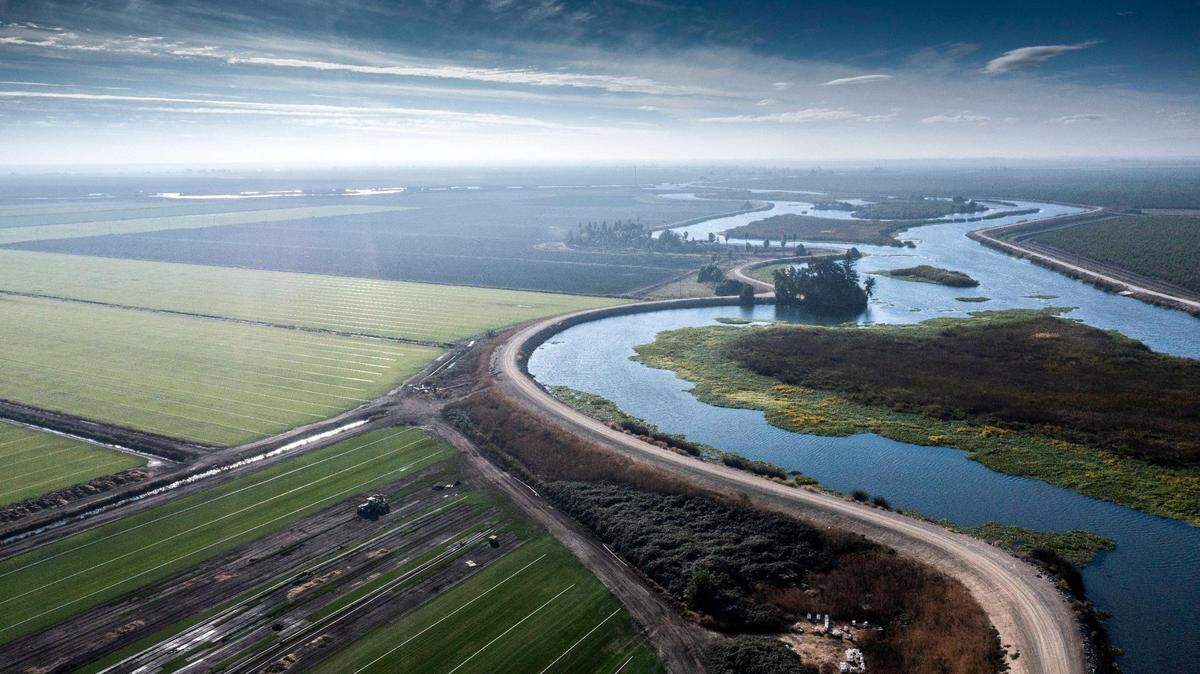
San Joaquin County pays the firm to, among other things, represent it in legislative battles over the water from its namesake river, according to county spokesperson and legislative policy coordinator Hilary Crowley.
“We need them all the time,” she said. She described her county, population around 816,000, as in a “David vs. Goliath battle” versus the urban centers and farmlands of Southern California over water issues, including Gov. Gavin Newsom’s plan to run water from the Sacramento River south around the San Joaquin Delta via tunnel — a proposal largely opposed by delta communities and their elected officials.
In the statehouse at times, it feels like “we’re little San Joaquin County, going up against Los Angeles,” Crowley said.
The city of Los Angeles pays Shaw Yoder Antwih Schmelzer & Lange more than twice what San Joaquin County pays the firm, reporting just under $250,000 in fee payments so far this year. A spokesperson for the firm said no one was able to comment for this story on Friday. The county of Los Angeles does not use that firm. The most populous county in California does, however, pay five other lobbying firms. So far this year, those payments have amounted to nearly $430,000.
Among less populous counties, the spending on lobbying firms drops off rapidly. Of the bottom 20 counties, 12 did not report paying firms this year. Of those that did, all but one county reported spending less than $40,000.
This story was originally published December 22, 2025 at 5:00 AM.