Is winter warmer in Sacramento than it was 50 years ago? What the science says
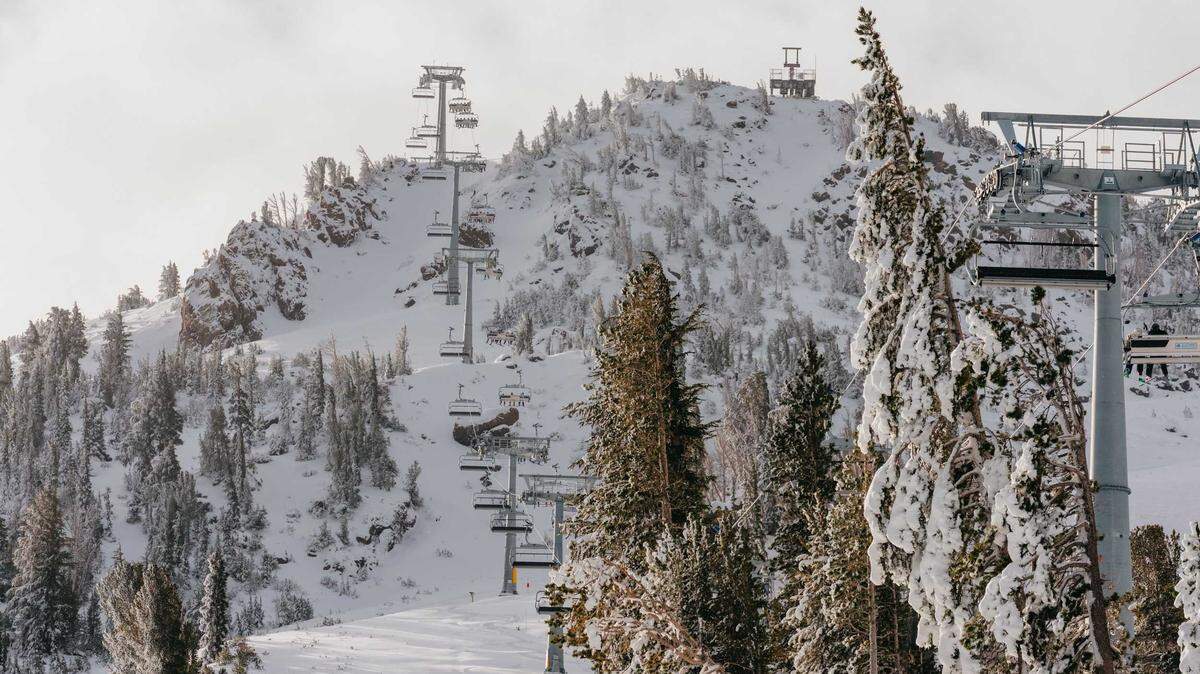
Heather Fargo, a former Sacramento mayor, was in her senior year at UC Davis in 1975. Though she wasn’t a skier, she recalled that snow in the Sierra Nevada mountains was always “reliable” in those days.
“There was never a time when there wasn’t snow for people to ski in during the winter,” Fargo said. The snow did not melt as quickly as it does today, she added.
“It was just very predictable. It was reliable. And things started getting less reliable.”
Her observation reflects today’s reality of global warming, as Sacramento’s average winter monthly temperatures have risen over the past 50 years.
A small rise with big consequences
The Sacramento area recorded a high of 60 degrees and a low of 31 on Dec. 19, 1975, according to the National Weather Service. Fifty years later, the forecast high for Dec. 19, 2025, is 55 with a low of 51.
While the high temperature sits at the 55-degree normal mark, Friday’s low far exceeds the normal low of 38 for December 19.
“You have to be a little careful when you’re looking at single (temperatures) comparing two years because some years are warmer than others, just because of nature,” said Eugene Cordero, meteorology and climate science professor at San Jose State University.
Average winter temperatures in Sacramento have risen by about 2 degrees over the last 50 years. And the significance of comparing the two periods lies in that long-term warming trend driven by climate change, he said.
“If the temperatures continue to rise like they are, we could basically lose most of our snow pack by the end of the century,” Cordero added.
Across the western United States, including Northern California, snowpack has declined at most monitoring sites over several decades.
From 1955 to 2020, April snowpack measurements, which reflect how much snow has accumulated during winter, showed decreases at about 86% of sites in the western U.S., with the most pronounced declines in Washington, Oregon, Northern California and the northern Rockies, according to the Environmental Protection Agency.
Daniel Swain, a climate scientist at University of California Agriculture and Natural Resources, said snow historically accumulated most reliably at elevations above 4,000 to 6,000 feet in the Sierra Nevada, where temperatures often hovered near freezing and where a lot of California’s major watersheds are.
‘Lowest snow pack’ recorded at this time of year
Today, those same mid-elevation zones are warmer by a few degrees.
“It can result in very large decreases in snow right around where that historic snow line once was. We see that with lower snowpack in the Sierra Nevada on average than we used to have, (and) a later seasonal onset of snow accumulation,” Swain said.
“This December is the most dramatic version of that we’ve ever seen. This is the lowest snow pack we’ve ever recorded for the central and northern Sierra as of this December 18 date.”
And the impacts of declining snowpack hit California’s water supply directly.
California’s water system is designed with the assumption that much of the state’s winter precipitation in the mountains will fall as snow, storing water until it gradually melts in spring and summer, Swain explained. That snowpack acts like a natural reservoir, releasing water slowly and replenishing rivers and reservoirs during the dry season.
Even a small temperature increase can shift precipitation from snow to rain, and when precipitation falls as rain instead of snow, water runs off more quickly and is harder to capture and store for later use.
“It also affects ecosystems. The forests, for example, evolved and grew where they did, because there was snow on the ground through the spring and sometimes into the early summer as it melted,” Swain added.
“So you’ve got this watering snow pack that would constantly replenish moisture in the soil and keep those plants growing, and that can also affect wildfire risk.”
State climate action under federal pressure
Rising temperatures are a global phenomenon, most scientists agree, driven by greenhouse gases emitted worldwide. Carbon dioxide accounted for nearly 80% of total U.S. greenhouse gas emissions in 2022, according to the EPA.
To counter the trend, California has set its own statewide goals, including reaching carbon neutrality by 2045. But those efforts have faced federal pushback, including when President Donald Trump moved to overturn California’s authority to enforce some of its vehicle emissions standards earlier this year.
“Right now, the U.S. government is not a leader in this field, which is a shame, because it’s an economic opportunity to supply (green) technology and innovation across the world,” Cordero said. “China is now going to become the leader in that area — which is OK, but the U.S. might like to have that leadership, too.”
Meanwhile, additional warming is inevitable in the coming decades driven by continued global greenhouse gas emissions, Swain said.
Though the pace of future warming depends on political and economic decisions that influence emissions levels, the world is still releasing record amounts of heat-trapping greenhouse gases, making further temperature increases unavoidable in the decades to come.
“In fact, the warming we see moving forward may even be faster than the warming we’ve seen so far,” Swain continued, adding that the warming over the last 15 years in California has been greater than the warming in the 15 years prior to that.
“For better or for worse, it’s something we do need to take seriously, because it is not just that warming we’ve already seen will persist, but that there will be additional warming on top of it to come.”
This story was originally published December 19, 2025 at 3:52 PM.