Environmental groups sue Sacramento County over Coyote Creek solar project
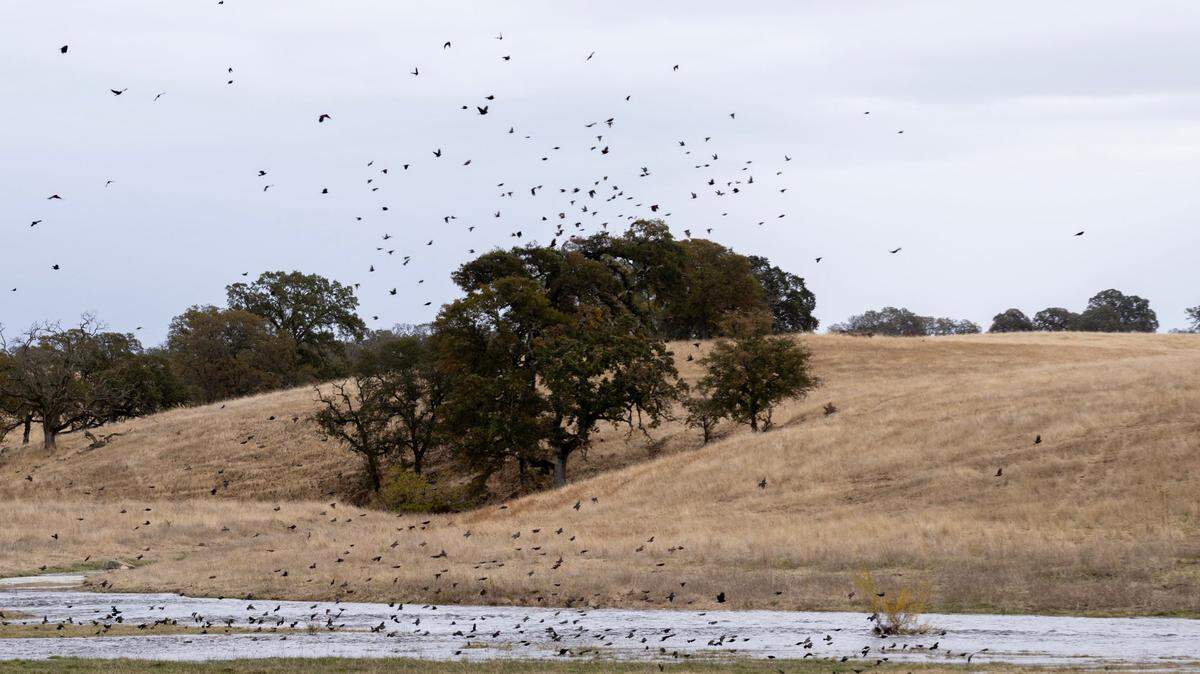
Environmental groups have filed a lawsuit against Sacramento County over a solar project that would eliminate up to 3,500 native and blue oak trees from the county’s last remaining intact woodlands.
The lawsuit, filed Thursday, follows last month’s decision by the Sacramento County Board of Supervisors to approve the Coyote Creek Agrivoltaic Ranch Project despite strong opposition from tribal communities, environmental advocates and conservation groups.
“Make no mistake, this is not a choice between clean energy or irreplaceable habitat,” said Luz Lim, a policy analyst at Environmental Council of Sacramento, one of the groups that filed the lawsuit, in a news release.
“We all want and need appropriately planned clean energy for our county, but thanks to other projects underway, SMUD is already on track to fulfill its 2030 Zero Net Carbon Plan. Instead, and ironically, we’re potentially destroying thousands of oaks, which are one of nature’s most powerful tools to trap and sequester carbon.”
The groups argued that the project fails to meet CEQA requirements, asserting that the county rushed approval of a flawed environmental impact report that fails to fully analyze or mitigate harm to oak woodlands, sensitive species, groundwater and nearby recreation areas.
The Coyote Creek solar project, to be developed by New York–based DESRI, is proposed to be built in southeastern Sacramento County near Rancho Murieta and the Prairie City State Vehicular Recreation Area, with the goal of providing electricity for more than 44,000 homes served by SMUD.
The 1,412-acre solar development project has drawn criticism over its siting, which opponents say would cause significant environmental harm. In their lawsuit, ECOS and California Native Plant Society point to the removal of thousands of oak trees and the ecological benefits they provide, and the “blasting” of roughly 1.46 million cubic yards of earth and rock across the 2,704-acre historic Barton Ranch.
“While most impacts are mitigated, three remain significant and unavoidable — aesthetics, cumulative oak woodland loss and tribal cultural resources,” Kimber Gutierrez, an associate planner for Sacramento County, said during the Board of Supervisors meeting in November.
Opponents of the project have also pointed to an alleged lack of accountability from SMUD, claiming the utility agreed to purchase power from the development after being told by the developer the site was “bare, rocky ground,” and without conducting its own independent environmental review.
In response to the claim, SMUD spokesperson Gamaliel Ortiz said in an email to The Bee in October that the Coyote Creek project is not being developed by SMUD, adding that the utility’s role “is limited and distinct from the project developer, who is responsible for site selection, environmental studies, securing county permits and project development.”
Thursday’s lawsuit also followed a separate lawsuit filed two days earlier by a coalition of recreation groups challenging the project’s approval, where they argued the environmental review failed to fully address impacts to nearby public recreation land.