
Kiley, California Republicans reject limiting Trump ability to strike Venezuela
AI-generated summary reviewed by our newsroom.
- Kevin Kiley voted with Republicans to oppose curbs on strikes in Venezuela.
- He cited War Powers ambiguity and national security to resist congressional limits.
- Strike custody of Maduro could create political risk for Kiley's upcoming run.
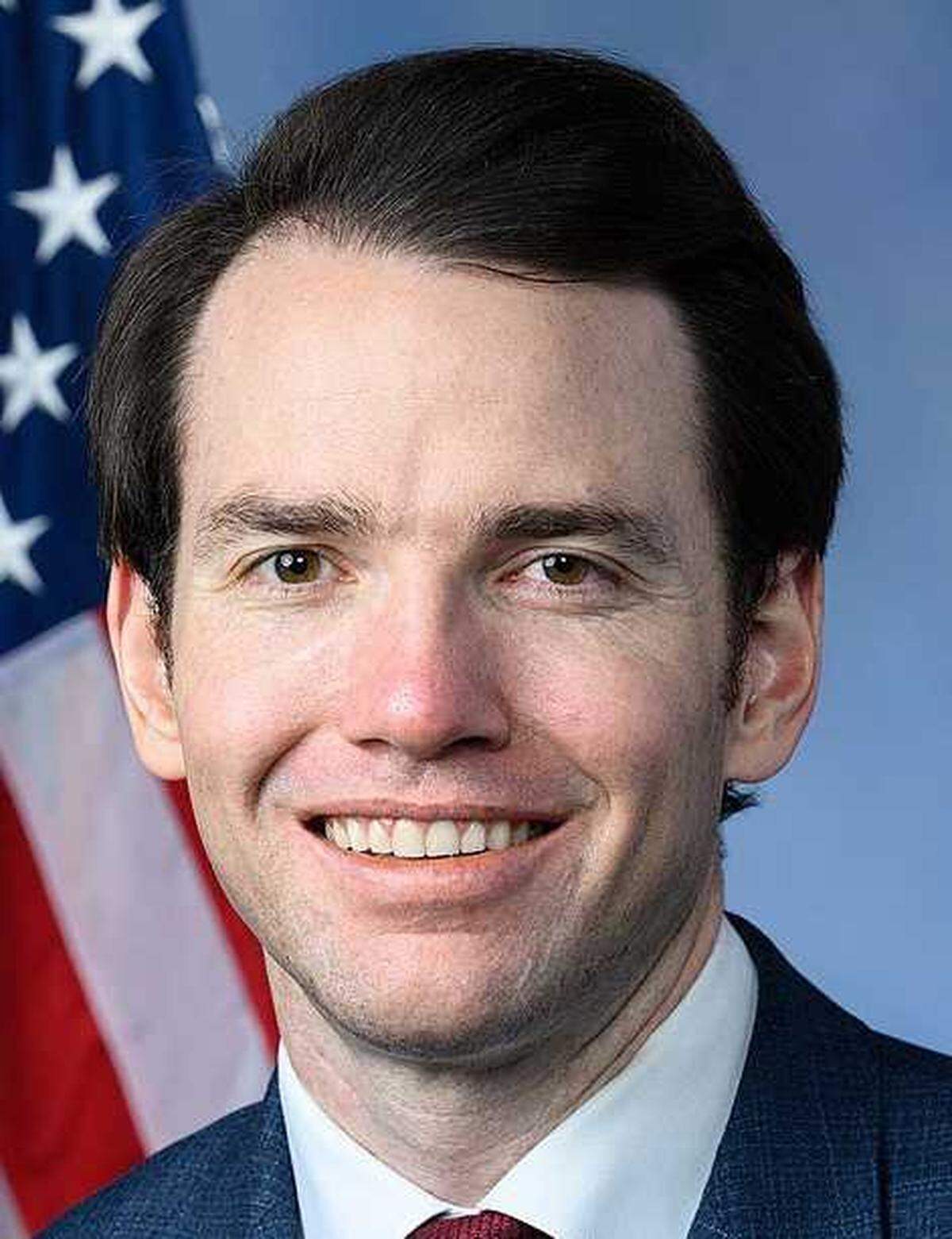
Rep. Kevin Kiley said last week he was “looking at” whether it was proper to invoke the War Powers Resolution to block President Donald Trump from further military action in Venezuela without congressional consent.
On Thursday, he voted against the effort to limit further Trump military action in the country the U.S. struck Jan. 3. The measure failed on a 215 to 215 tie vote. All California Democrats voted yes for the limits and all state Republicans voting said no.
The Rocklin Republican stressed he still believes Congress should be involved in matters involving U.S. military action against another country.
But, he said, “I have significant reservations about what that would mean for U.S. national security going forward.”
Kiley told a Capitol news conference that national security is “the most important value that we protect here. And so I am extremely reluctant to take any actions that would make it so that the executive branch and the military could not respond to real time events as they’re unfolding.”
He emphasized that Congress does have a role in U.S. policy toward Venezuela. “Of course, I’ve said Congress needs to be centrally involved in the next phase going forward,” Kiley said, but added “I don’t see this resolution as the way to assure that involvement.”
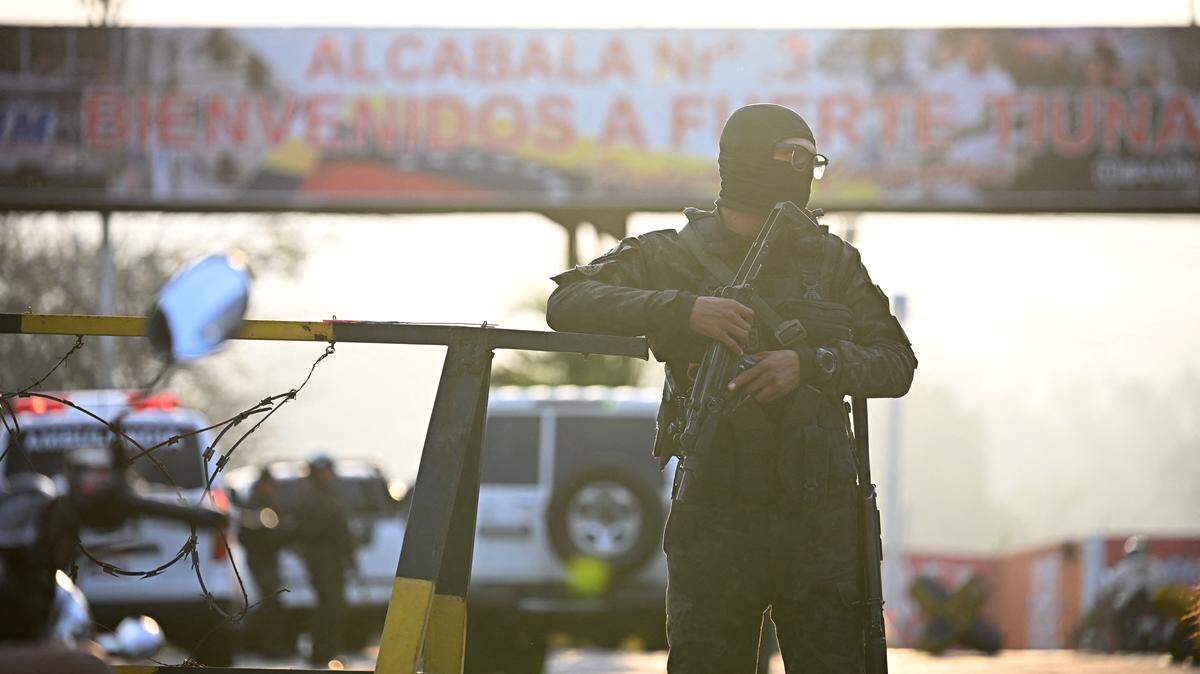
During the U.S. invasion, troops captured Venezuelan leader Nicolás Maduro and his wife, Cilia Flores. They were taken to the United States to stand trial on drug-related charges.
The War Powers Resolution, approved in 1973 as a reaction to the Vietnam War buildup, says a president can launch an attack in an emergency and notify Congress within 48 hours.
He can engage in military action for 60 days, plus a 30-day withdrawal period, unless Congress gives its consent.
The Trump administration has said its strike was a law enforcement action.
A message to Trump?
While there has been no military action against Venezuela since early January, critics Thursday were concerned about Trump’s threatening other such strikes. He has issued warnings that he could move to seize Greenland and take action against Iran, though he’s since backed off doing so.
Approving the War Powers Resolution’s limits would send a strong signal to the administration, lawmakers said.
“Now is the time to draw the line,” said Rep. Jim McGovern, D-Mass., one of the resolution’s chief sponsors.
“If the president wants to drag the U.S. into a war they don’t want, he must come to Congress first. The debate belongs on this floor. Venezuela is not an end to this recklessness,” said Rep. Gregory Meeks, D-N.Y., top Democrat on the House Foreign Affairs Committee.
Republicans had a fierce response.
If someone votes for this measure, “They are stupid,” said Foreign Affairs Committee Chairman Brian Mast, R-Fla.
“The United States is not at war with Venezuela…there are no boots on the ground. Democrats are asking us to vote on a resolution dealing with a situation that does not actually exist,” he said.
The proposal, Mast said, was about “appeasing your far left friends.” Remember, he said, “the world is a safer place because President Trump had the backbone ... to bring Nicolás Maduro to justice.”
The Senate initially voted to advance the resolution, as five Republicans joined 45 Democrats and two independents in doing so. But the measure wound up failing in another vote last week after two Republicans, under pressure by Trump, switched their votes.
Kiley and war powers
Kiley was asked last week at his news conference whether he backed the War Powers Resolution as it applied to Venezuela.
“I’m looking at it,” he said, adding, “I believe Congress needs to be centrally involved going forward when it comes to U.S. policy on Venezuela,”
Kiley backed ousting Maduro.
“The world is in an immeasurably better place with him no longer in power,” Kiley said of the Venezuelan strongman. “Certainly the people of Venezuela have the potential now to determine their own destiny, to become a democratic country, to become a prosperous country.”
But invoking the War Powers Resolution raises concerns, Kiley said. “There are a lot of questions surrounding the War Powers Act,” he said, questions that members of both have been raising for years.
“The specific use of a War Powers Resolution in this context could have the effect, if it were to actually become law, of limiting the ability of our executive branch to respond to events in real time if necessary to protect Americans,” Kiley said. “That’s certainly a major consideration. It’s a complicated issue, so I’m studying it.”
Political considerations
Kiley is in a difficult political spot. His congressional district, which reaches from the eastern Sacramento suburbs across the state and down to Death Valley, has been chopped into six pieces by last year’s Proposition 50.
The second-term congressman, who easily won in 2024 in his Republican-leaning district, has not said where he will run this year.
Kiley has been a reliable Republican in votes, though he’s criticized GOP House leadership for its handling of extending enhanced health insurance premium credits, used by consumers who buy coverage through the Affordable Care Act’s marketplace.
The strike against Venezuela, though, could set up a rough debate if Kiley chooses to run in the Sacramento-based district where Rep. Ami Bera, D-Sacramento, plans to run.
Bera is a member of the Foreign Affairs Committee and has been outspoken in his criticism of the Venezuela action.
“The decision to launch military strikes without congressional input, support, or authorization is deeply concerning and illegal,” Bera said. He called Maduro “an illegitimate leader who has inflicted hardship on the people of Venezuela.”
This story was originally published January 22, 2026 at 3:30 PM.
.jpg)