Mark Zuckerberg, Meta give Sac State $50 million for downtown campus
AI-generated summary reviewed by our newsroom.
- Meta is providing $50 million to convert 3 state buildings into a Sacramento State campus.
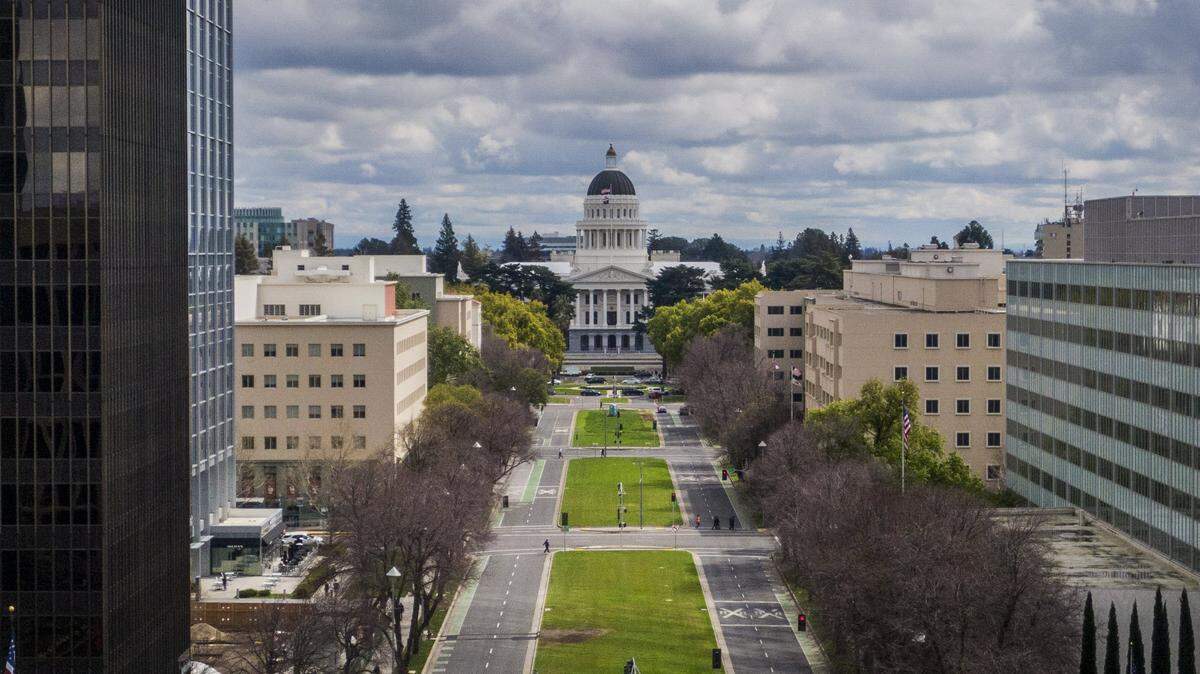
- Project repurposes Capitol Mall properties for academic facilities, housing, AI center.
- State, university aim to spur downtown recovery, expand STEM programs through partnership.
Sacramento State is partnering with tech giant Meta to convert excess government buildings into a downtown campus that will include academic facilities and affordable student housing in a district that has struggled to recover from the COVID-19 pandemic.
Gov. Gavin Newsom announced Thursday that Meta, which is based in Menlo Park, will provide $50 million in funding to transform three state buildings on Capitol Mall into mixed-use facilities for California State University, Sacramento’s faculty and students.
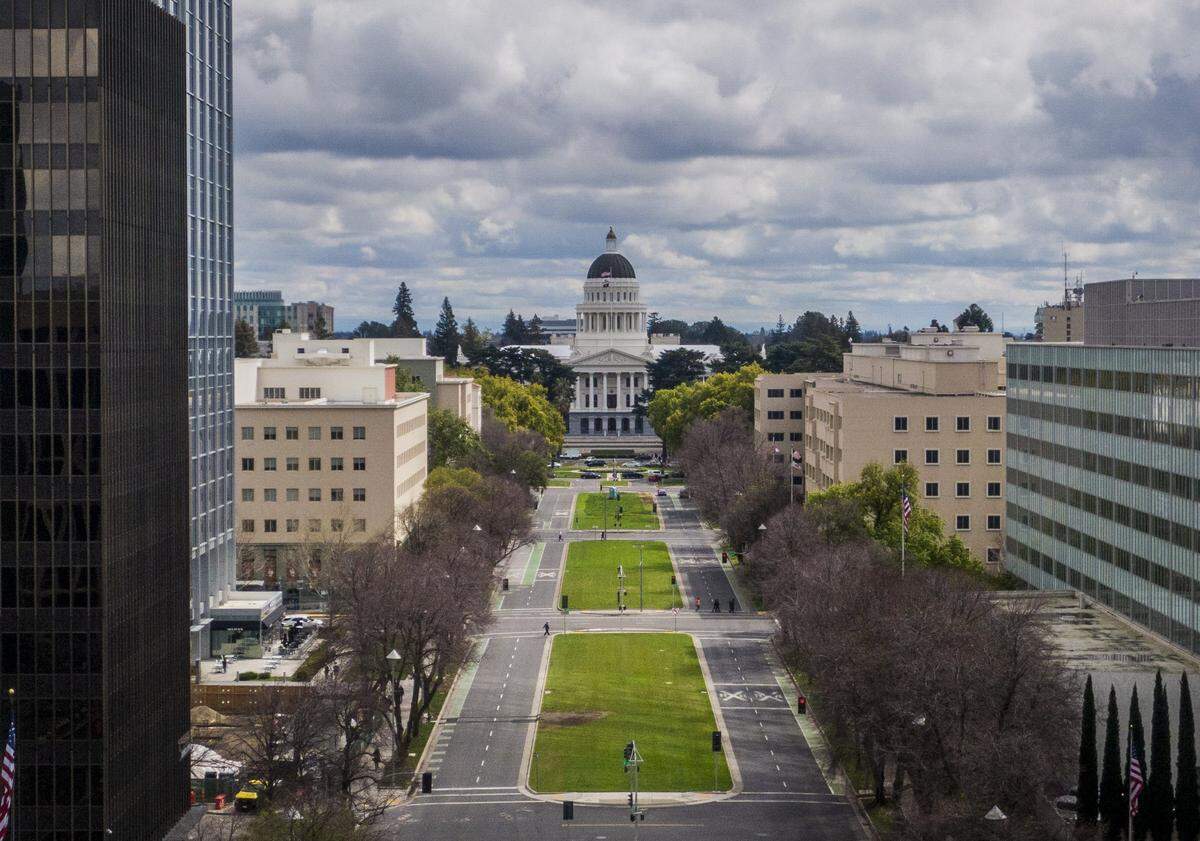
The funding — the largest gift in the university’s history — will advance a project that local officials have discussed for more than a year and that became a key talking point during the most recent mayoral race. Over the past few years, civic leaders have acknowledged that Sacramento’s central business district has been largely reliant on office real estate, an issue laid bare by the pandemic, and have pushed to diversify the area with entertainment, hospitality and an expanded higher education presence.
“Yes, it’s a place where people work,” said Michael Ault, executive director of the Downtown Sacramento Partnership. “But it’s got to be more than that.”
Meta CEO Mark Zuckerberg said in a statement that the project will create new housing for students and professionals, “state-of-the-art STEM facilities,” a new school of public affairs and a dedicated AI center.
“I believe these investments will help strengthen our communities and support the next generation of leaders and innovators,” Zuckerberg said.
The company declined to provide further comment on the announcement.
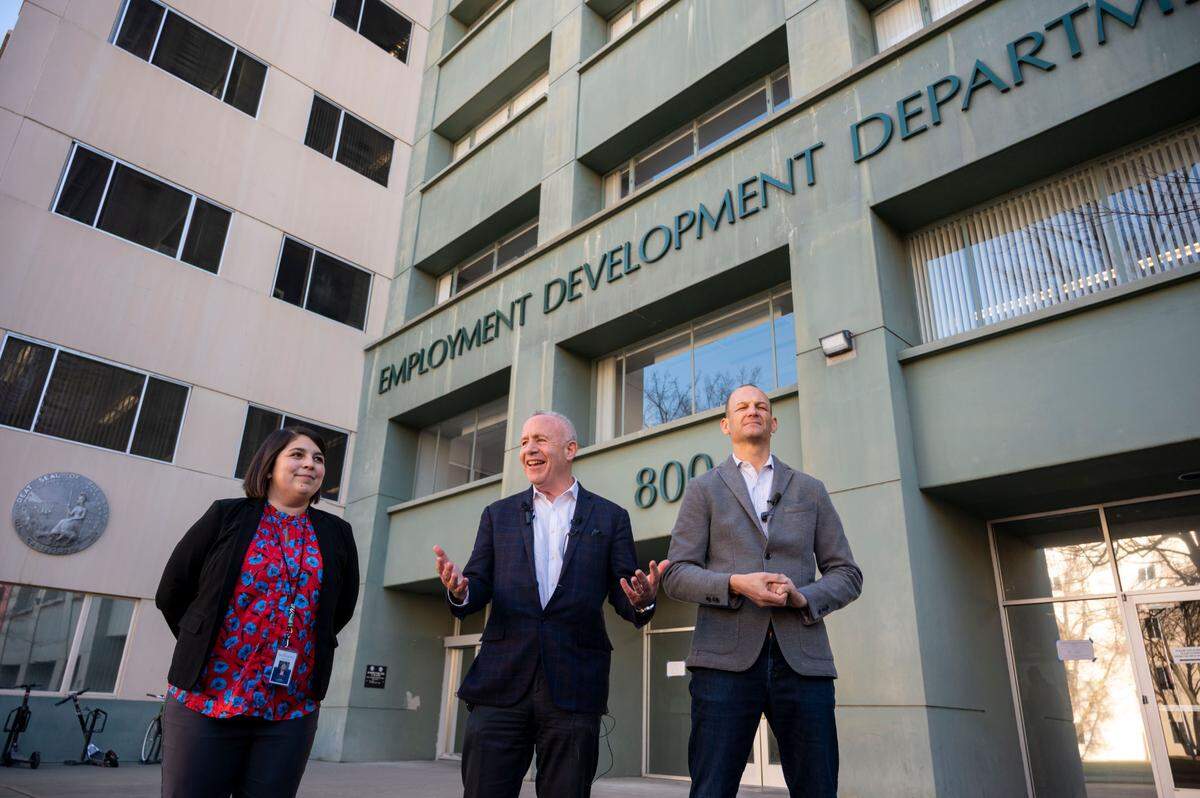
Previously, the state had unsuccessfully tried to contract a private developer to transform these buildings — the Employment Development Department headquarters building at 800 Capitol Mall; the EDD Solar Building at 751 N St.; and the State Personnel Board Building at 801 Capitol Mall — into nearly 700 residential units. In 2024, St. Louis-based developer McCormack Baron Salazar withdrew from an arrangement after California did not provide funding for an adaptive reuse study.
Last year, the state provided Sacramento State with exclusive rights to evaluate these properties and explore opportunities to build academic facilities and housing. University President Luke Wood said at the time that he planned to open a downtown campus, which would help offset budget cuts with revenue-generating features built in, like event and office space. Thursday’s announcement noted that there are plans to build a mixed‑use performing arts space and boutique hotel in these facilities.
Since he took office seven years ago, Newsom has pushed to convert excess state property into housing. As of last November, his administration touted 32 projects in “various phases of development” that would eventually result in nearly 4,300 housing units.
Department of General Services spokesperson Monica Hassan said the money will be used only for abatement and demolition of existing structures. Some of the funding will go toward ensuring the properties are safe to deconstruct and ready for conversion, including housing. Meta will have no control over design, land use, academic programs or long-term development, Hassan said. Meta also will not receive naming rights or have ongoing involvement.
On Thursday, Wood said the new facilities would position Sacramento State as a “flagship university, one that embodies economic vitality, expands access to opportunity, and integrates academic excellence with innovation, housing and community in the heart of California’s capital.”
Senate Majority Leader Angelique Ashby, D-Sacramento, said that after her election, she and local business leaders began discussing ways to help Sacramento’s urban core recover from the pandemic. The group included representatives from the Downtown Sacramento Partnership, the Sacramento Kings and the Greater Sacramento Economic Council.
Sacramento State already operated a large policy program that sends students to work in the Capitol and state agencies, making nearby housing and classrooms a logical next step.
“Why not grow Sac State into our urban core, and infuse life and energy into our community, while also building affordable student housing? Which is, of course, crucial for our state and our region,” Ashby said.
The group met with Newsom’s office, and lawmakers from the recently-formed Capital Caucus lent their support.
The university will soon issue a request for proposals for a master plan, said Michelle Willard, chief of external relations and interim senior associate vice president for university communications. The $50 million investment will jump-start initial work, though the overall cost will be higher.
“We’re extremely grateful,” Willard said. “We’re really excited to do something catalytic for our community and the Sacramento region. It’s what this community deserves and needs.”
Barry Broome, president and CEO of the Greater Sacramento Economic Council, called Meta’s investment “the biggest thing that has happened in downtown since Golden 1 (Center).”
“You get criticized a lot in Sacramento for thinking big,” Broome said. “Sac State has had plenty of doubters.”
The deal, he said, underscored the importance of Wood’s ambitious goals for the university.
Broome said he was not aware of any other major Meta presence or investment in the Sacramento region.
Ault, of the downtown business group, said that combined with other recent moves in the central business district — like the Shingle Springs Band of Miwok Indians’ acquisition of the former Macy’s building and the vacant city block at 301 Capitol Mall — investments there are “starting to build some momentum.”
“If you could get 3,000 to 4,000 students down here in student housing, and event space and hotels,” he said, “you could create a real sense of energy.”
This story was originally published January 29, 2026 at 12:43 PM.