
‘Glowing fish’ exempt from proposed ban on gene-edited pets in California
You may have heard of Colossal Biosciences, the company that in 2024 edited gray wolf DNA to re-create an animal similar to the extinct dire wolf. Or the Los Angeles Project, which has experimented with inserting glow-in-the-dark bioluminescence into animal embryos, and whose founder has said she hopes to genetically engineer a unicorn using horse DNA mixed with that of a horned animal.
These feats of genetic engineering, seen by some as scientific breakthroughs, are the targets of a bill that is moving forward in the California Legislature.
Assemblymember Leticia Castillo, R-Riverside, enjoyed wide and bipartisan support for her bill, AB 1382, the “Ethics over Aesthetics Act,” when it moved through the Assembly last week. The bill would prohibit the importation, sale, and offer of sale of pets that are transgenic, meaning they are created by implanting a gene from one species into another.
“Genetic modification for cosmetic purposes risks prioritizing appearance over animal well-being and further fuels demand for novelty pets at a time when California is already facing a serious pet overpopulation and shelter crisis,” Castillo told her colleagues before a floor vote Thursday.
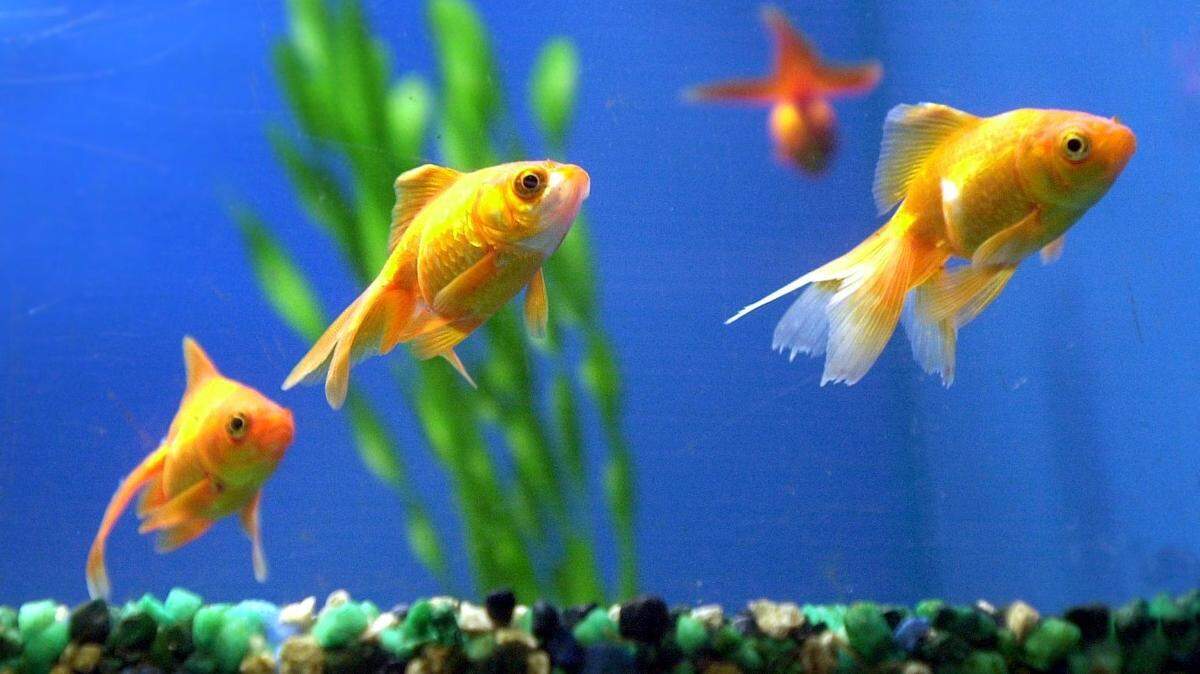
The bill was able to move forward after Castillo agreed to a carve-out for GloFish, a type of fish that glows due to the insertion of Green Flourescent Protein (GFP) into its DNA. The fish type has been sold in the United States for over two decades but was banned in California from 2003 to 2016 because of ethical concerns. The policy was reversed in 2016 after the Director of California’s Fish and Wildlife Department conceded it was “ambiguous” and the fish posed “no foreseeable risk of harm.”
Over 40 animal advocacy organizations were in support of the bill, including the group Social Compassion in Legislation, whose legislative affairs director, Nickolaus Sackett, pointed to the high public cost to run animal shelters and high numbers of euthanized animals as reason to pass the bill.
“The last thing we need is for a novel pet such as a glow-in-the-dark rabbit to become the latest fad on TikTok, leading to these animals being bred at a pace that puts profit above their well-being and later dumped on the side of the road after the photos have been taken and posted on social media,” Sackett told lawmakers.
Over 150,000 animals are euthanized annually in California, according to the state Department of Public Health.
The main group that remained in opposition to the bill was The Pet Advocacy Network, an organization that represents pet retailers, among others. The group successfully lobbied for the GloFish carve-out, but is seeking a larger carve-out for all aquatic species. The Network is seeking a larger carve-out for all aquatic species.
“The manner it’s currently written would exempt everything that’s already on the market, but it would not exempt any future products,” said spokeswoman Alyssa Hurley.
“I don’t want to show too much of my animal activist hat, but I think even just referring to ‘future products’ might be some of the reason folks are moving a bill like this,” Assemblymember Isaac Bryan, D-Jefferson Park, responded, in remarks captured by CalMatters’ Digital Democracy database.
When reached for comment over email, Josie Zayner, the co-founder of the Los Angeles Project, said it was the second time her work had been the target of “anti-tech” legislation.
Zayner’s company, The ODIN, was targeted by a 2019 bill that regulated the sale of DIY gene-editing kits. That bill was signed by Gov. Gavin Newsom.
“Dum(b) politicians who don’t understand genetic engineering shouldn’t be allowed to regulate it,” she wrote.
The bill’s journey continues in the Senate, which has until May 1 to act on it.
This story was originally published February 4, 2026 at 10:51 AM.