Iran war shakes oil markets, intensifying fight over California cap-and-invest
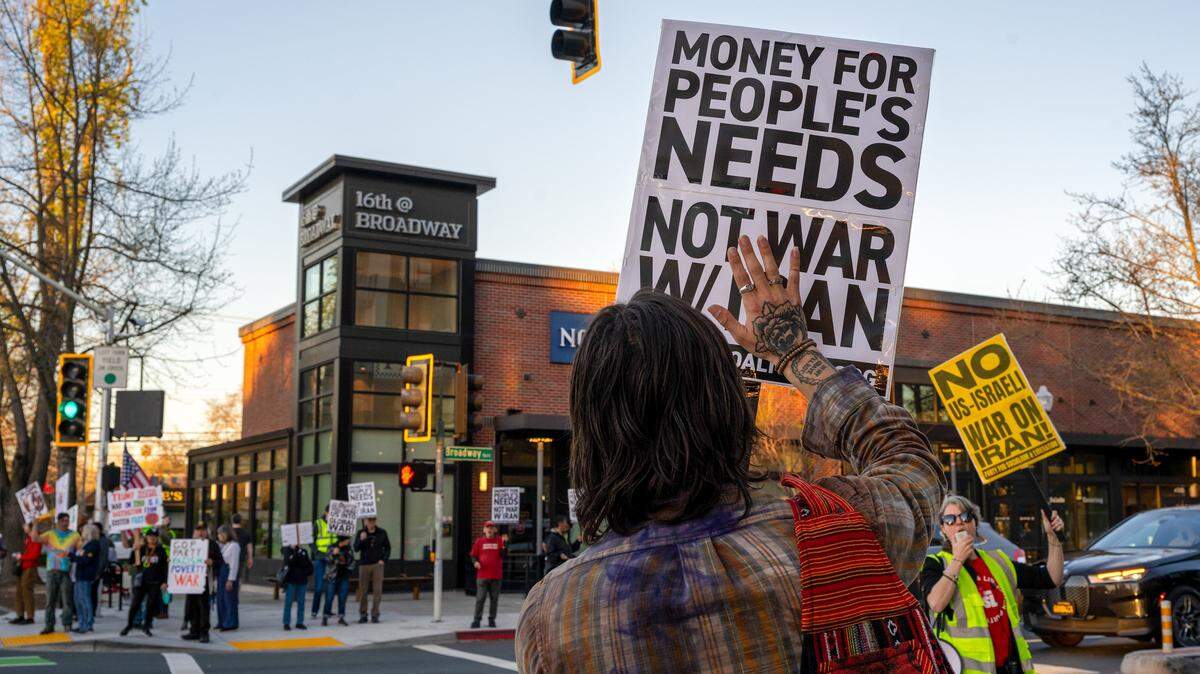
The outbreak of the Iran war has shaken the world’s oil market, bringing new uncertainty as analysts warn of potential spikes in oil and gasoline prices.
With the state’s high-stakes cap-and-invest proposal on track to return to the California Air Resources Board for consideration at the end of May, the agency said it is continuing to evaluate input but did not directly say whether it is factoring in the war’s potential impact on the fuel market. The program is designed to cap and limit greenhouse gas emissions by covered entities and return cost benefits to ratepayers.
“We are in the middle of the public comment period for the draft regulation and continue to meet with regulated entities to make sure we fully understand implications of the proposed amendments,” said Lindsay Buckley, a spokesperson for the agency said in an email.
U.S. and Israeli attacks prompted Iran to close the Strait of Hormuz, a key route that carries roughly 20% of global oil.
Senate President Pro Tempore Monique Limón said the conflict reinforces the case for California to lessen its dependence on fossil fuels and move forward with cap-and-invest.
“An economy reliant on fossil fuels will always be subject to geopolitical tension and price spikes,” Limón wrote in an email on Tuesday.
“The conflict in Iran has caused gas prices to rise 11 cents overnight — reaffirming that the state must move towards a transition to clean energy, a goal that Cap and Invest is designed to support.”
Rising fuel supply concerns
Andrew Campbell, executive director of UC Berkeley’s Energy Institute at Haas, said oil and gasoline prices begin reacting almost immediately as global traders reprice crude oil when risks to Persian Gulf supplies rise. What drivers see at the pump then depends on how quickly local stations adjust their posted prices.
“Everything about this conflict is very uncertain, unpredictable,” Campbell said on Monday, adding the prices are increasing “pretty modestly so far.”
Campbell explained it is reasonable to expect California drivers to see higher prices “very soon,” the price increases could either fade quickly or build over time, depending on how long the conflict keeps added risk in the market.
As drivers brace for those uncertain price spikes, the Western States Petroleum Association, a Sacramento-based oil and gas industry group, said CARB “missed the mark” in its cap-and-invest proposal.
“The situation in Iran underscores the consequences of getting this wrong — if this plan drives refineries out of state and makes us more dependent on imported fuels, we become even more vulnerable to price volatility caused by supply disruptions,” Jim Stanley, a spokesperson for the lobbying group said on Monday.
GOP lawmakers echoed those concerns for refineries, saying market shocks tied to the Iran conflict shows how global supply disruptions could intersect with California’s fuel system, warning that conflict in the Middle East could worsen existing supply constraints.
Tony Strickland, R-Huntington Beach, described the combination of recent refinery closures and the Iran conflict as “a perfect storm” that “affect our prices at the pump,” which shows the need to drill more oil in California.
“We have the ability to do our own, be energy independent here in California, but we don’t drill like we should,” Strickland said on Monday.
“Instead of relying on foreign countries like Iran and other countries, we should be able to at least get oil. We should drill here,” he continued.
Roger Niello, R-Fair Oaks, agreed.
“We have very serious challenges with regard to supply of gas, frankly, whether there’s a conflict in the Middle East or not. (The conflict) just exacerbates it potentially very significantly,” Niello said.
Niello’s remarks followed an announcement earlier in the day that he had jointly introduced three new bills with Senate Minority Leader Brian Jones, R-San Diego, Senate Bill 929, Senate Bill 1239 and Senate Bill 981 — measures intended to target the California Energy Commission and the CARB by requiring regulators to account for how their rules affect ratepayers’ household expenses.
Niello, along with Tony Strickland, R-Huntington Beach, pointed to what became a controversial exchange last year involving then-CARB Chair Liane Randolph, who said before the Assembly Utilities and Energy Committee that while CARB conducts economic analysis, “that economic analysis does not identify specific costs to specific consumers,” as there are “a lot of variables involved in that.”
Gov. Gavin Newsom and environmental groups quickly came to Randolph’s defense at the time, with Pacific Environment noting that fuel pricing and market oversight fall under the California Energy Commission, while CARB’s role is to regulate emissions and meet the state’s climate goals.
“A lot of what the major crisis of affordability, from groceries to gasoline to houses, have to do with these unaccountable boards and agencies who are making these regulations without economic impact in mind,” Strickland added.
Risks of dependence on volatile oil markets
Aligning with Limón’s position, meanwhile, environmental advocates — including Erika Guzman Cornejo from California Environmental Voters — said global oil volatility shows the risks of continued dependence on fossil fuels.
“In this moment that we’re in global oil volatility, we see it as a CARB role to ensure that emissions reductions stay on track, while also designing guardrails that protect consumers,” Guzman Cornejo said.
“And that means carefully managing cap-and-invest and reducing long-term dependence on volatile global oil markets.”
Guzman Cornejo pushed back on the industry’s claim that cap-and-invest threatens further refinery leakage, or pushing refinery operations out of California, contending that refinery decisions are largely driven by global market conditions rather than state policy.
“The bigger risk to affordability isn’t climate policy. It’s a continued dependence on this volatile global oil system that’s controlled by a handful of companies,” she continued.