Yuba Water reports salmon and steelhead habitat affected during pipe rupture
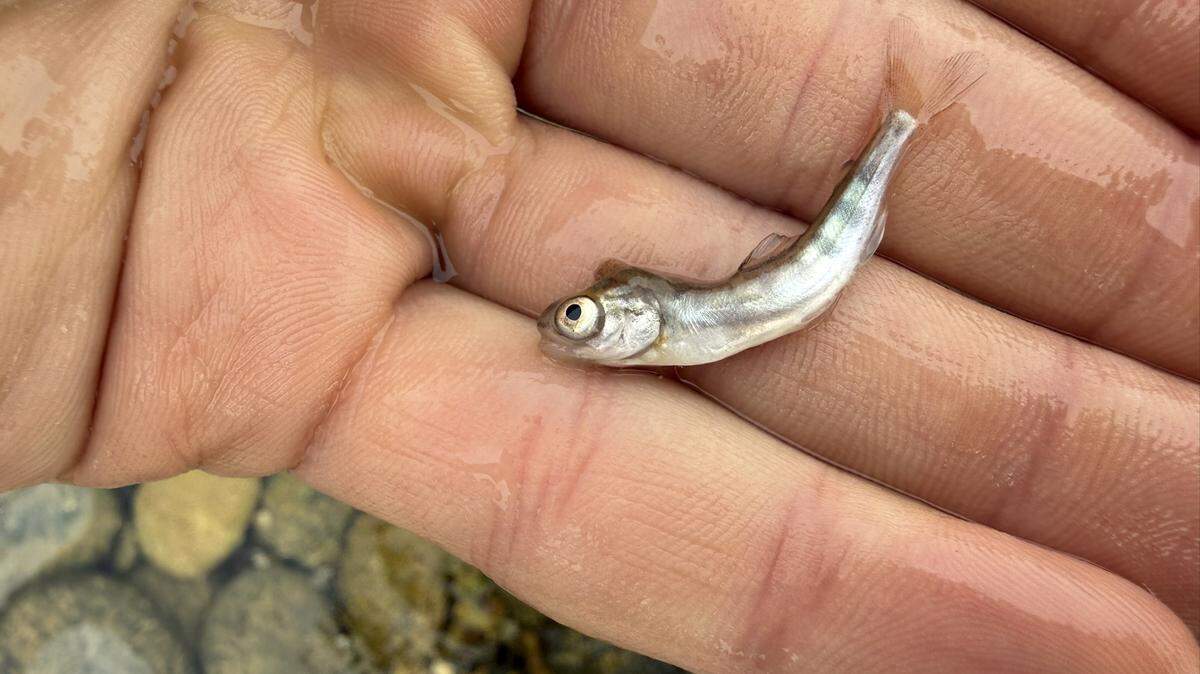
Yuba Water Agency filed a report with the Federal Energy Regulatory Commission on Friday regarding the large water pipe rupture at the New Colgate Powerhouse on Feb. 13, stating that the incident may have reduced water flow in the lower Yuba River and temporarily dried out rearing habitat for Chinook salmon and steelhead.
In Friday’s report, the agency noted that roughly 0.5% of the total annual fall‑run Chinook salmon redds — nests where fish lay their eggs — and 1.2% of the annual steelhead redds upstream of Daguerre Point Dam “could potentially have been exposed to dewatering” due to the outage at the power facility.
The rupture occurred as the agency was wrapping up major infrastructure upgrades at the facility, injuring one worker and prompting a Yuba River conservation group to report that hundreds, and possibly thousands, of young Chinook salmon were stranded and died in the rocks along the shore.
“Further, based on habitat modeling, it is estimated that the February 13, 2026, flow reduction event could have exposed about 4.2% of preferred salmonid fry rearing habitat upstream of Daguerre Point Dam to becoming areas potentially susceptible to fry/juvenile isolation and dewatering,” the agency wrote in a letter included with its report to Federal Energy Regulatory Commission Secretary Debbie‑Anne Reese, describing the potential additional impacts of the incident.
The agency said in the report that the two‑hour flow reduction, which exposed redds to less water, “would not necessarily be expected to result in mortality” due to its “relatively short duration,” while also noting that it found about 100 dead juvenile Chinook salmon fry and two dead juvenile O. mykiss, or rainbow trout.
It concludes, nonetheless, that the “unanticipated flow reduction event would likely not have adversely affected” Chinook salmon and steelhead “spawning or embryo incubation.”
The development came a week after the agency finished its cleanup and containment efforts at the Englebright Lake and a day after the lake was reopened for the public. The ongoing investigation by the California Division of Occupational Safety and Health can take up to six months to complete, and the agency may issue citations if it finds safety violations.