CA home insurance bill aimed at fossil fuel firms dies just after it was revived
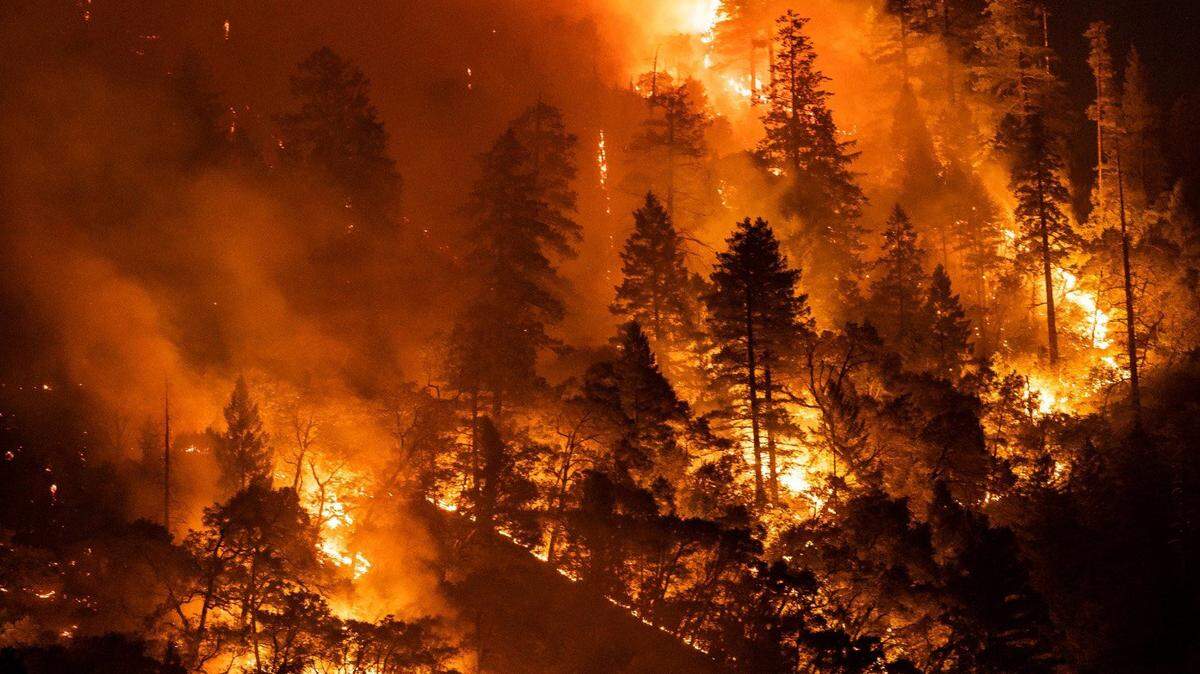
A bill that would have allowed California’s attorney general to sue fossil fuel companies to recover insurance losses from wildfires and other disasters died on Wednesday a day after it was resurrected from an earlier defeat.
The controversial measure authored by state Sen. Scott Wiener, D-San Francisco, was attempting to pay for costs suffered by the California FAIR Plan, a private backup coverage provider for residents who can’t find home insurance.
“Californians should not be forced to continue to bear the full weight of these disasters without participation from the industry that has helped fuel these disasters: The fossil fuel industry,” he said while pitching the measure to the Senate Insurance Committee Wednesday. Only three members of the seven-person committee ended up voting for it, which was not enough for it to pass.
The FAIR Plan, which is funded by insurance companies that sell homeowner coverage in the state, has seen record growth in recent years as more traditional insurers have dropped large numbers of policyholders and restricted adding new ones in part due to concerns about rising risks of destructive wildfires in the future.
Last year, the plan was allowed to recover $1 billion from the insurance companies that fund it following the devastating Los Angeles-area fires and also asked the state to raise its rates by an average of almost 36% for homeowner policies.
Senate Bill 982 would have made fossil fuel companies potentially liable for “climate-attributable damage” that has occurred as far back as 2016.
Wiener took out that provision after the measure failed to pass the Senate Judiciary Committee on April 14. He also agreed to allow fossil fuel companies to use investments in clean energy to reduce how much they may ultimately have to pay in a lawsuit and delay their liability until 2032.
The Judiciary Committee on Tuesday voted to advance that amended version of the bill through a process that allows killed bills to be revived.
The measure was backed by environmental organizations and supporters of the effort held up signs while the bill was being discussed in the committee. But it was opposed by an array of influential and deep-pocketed groups that represent unions, businesses and fossil fuel companies.
Chris Micheli, a lobbyist speaking on behalf of many of the opponents, said businesses were concerned about what the measure would signify.
“Because if one industry can be targeted, like this bill does,” he said, “what industry is next?”
State Sen. Laura Richardson, D-San Pedro, who declined to vote on the bill, said she agreed with the idea of creating a way to deal with disaster costs.
“I just don’t believe this suggestion of the funding mechanism is the right way to achieve it.”