Newsom water board pick draws opposition from enviros ahead of Bay Delta vote
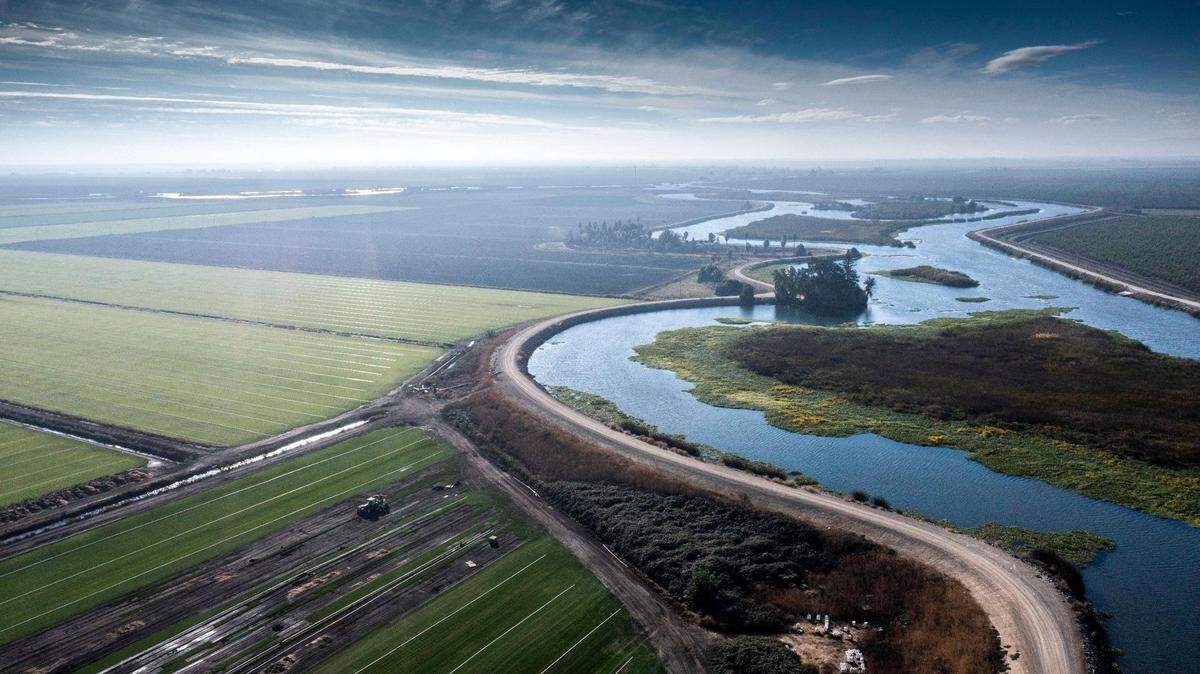
Environmentalists and a salmon fishing group unsuccessfully lobbied a California Senate committee to reject Gov. Gavin Newsom’s reappointment of a veteran State Water Resources Control Board member last week, as tensions over the board’s upcoming vote on a controversial update to water policy for the Sacramento and San Joaquin watersheds spilled into the gubernatorial appointment process.
Gov. Gavin Newsom nominated Dorene D’Adamo to her fourth term on the board earlier this year, ahead of an expected September vote on the Bay-Delta Plan, which governs water use of the two rivers, their watersheds and the San Francisco Bay.
The plan relies on negotiated deals, called “voluntary agreements,” between water districts and the state. Environmentalists and tribal governments oppose those agreements, calling them an abdication of the state’s regulatory responsibility that gives irrigation districts too much sway over how much water will be allowed to flow through rivers and estuaries amid ongoing fishery and ecological decline.
D’Adamo has been a voice on the board for powerful interests such as the agricultural industry and urban water districts interests, her opponents charged at a May 6 hearing of the Senate Rules Committee; those interests, they claim, have wielded too much sway in crafting the Delta Bay plan, while their own input has been sidelined or ignored.
“The State Water Board has consistently tipped the scales on behalf of agriculture and urban water interests, and as a result, we have multiple species headed towards extinction,” Max Gomberg – who ended a 10-year career for the Water Resources Control Board in 2022 with a public criticism of Newsom’s management of the agency – told the four senators present on the committee.
“This committee should not condone the ongoing environmental catastrophe in our Delta via regulatory capture of this board,” Gomberg said.
Gary Bopker, program director for the Sacramento-based environmental group Friends of the River, said he did not necessarily want board members who strictly align with environmental groups. But, he said, “I do want board members who are outraged about this crisis in the Bay Delta and the way it affects many communities, and who push timely and effective action to address the root causes.”
D’Adamo, he said, “has had 13 years to deal with that. I just think it’s time for a change.”
The board was not swayed by the opposition, with the senators voting unanimously to advance D’Adamo’s nomination for a vote by the full body.
For her part, D’Adamo committed during the meeting to continue to meet with environmental and fishing groups. Their resistance to the Bay Delta plan has “morphed into opposition for my confirmation,” D’Adamo said. “Where we’re going as a board is just not where they would like for us to go.”
D’Adamo did not contest the idea that she has ties to the agricultural industry — to the contrary, she said, those connections have allowed her to be a trusted voice with farmers and irrigation districts in water negotiations, including at times when she had to explain unwelcome changes to the industry.
“It can raise concerns about ‘am I going to just do whatever that community is asking for?’” she said. “And the answer to that is no, because I am really motivated to be on this board out of protection of water quality and protection of our water rights and balancing all beneficial uses, not just agriculture.”
That was the opinion of state Sen. John Laird, D-Santa Cruz, a senator highly rated by the California Environmental Voters, which ranks lawmakers on their environmental voting and campaign finance records.
“There’s tremendous value to having somebody that is trusted by the agricultural community,” Laird said to D’Adamo after her opponents spoke, “and that trust is used to occasionally tell them that they can’t have what they want, and you might be the only person that has them walk away and believe it.”
Irrigation district leaders aren’t entirely satisfied with the proposed Bay Delta plan either — some maintain it still requires too much water to flow through the system instead of being captured in reservoirs, according to previous Sacramento Bee reporting.
But representatives of several irrigation districts, along with agricultural lobbyists, the California State Association of Counties and bird hunting groups like Ducks Unlimited, spoke in favor of D’Adamo’s reappointment.
Alex Biering, representing the California Farm Bureau, the state’s heavyweight agricultural lobbying organization, told the committee she was there “in strong support of our friend,” D’Adamo.
Newsom supports the voluntary agreements, a policy proposal that began under his predecessor Jerry Brown. On May 7, he again endorsed the idea in a speech to the Association of California Water Agencies, in which he described his eight years in office as a steady gain on the state’s gnarliest water issues.
The governor said the voluntary agreements would help move the state away from “the old binaries of litigation,” maintain healthy river flow levels, and that the plan included funding for the restoration of 45,000 acres of fish habitat.
Environmental organizations don’t see it that way. Some plan opponents have indicated they’re likely to sue if the Water Board adopts the policy, as it’s expected to do this fall.