California paid $20 million to cut prison costs. Where does it hope to save?
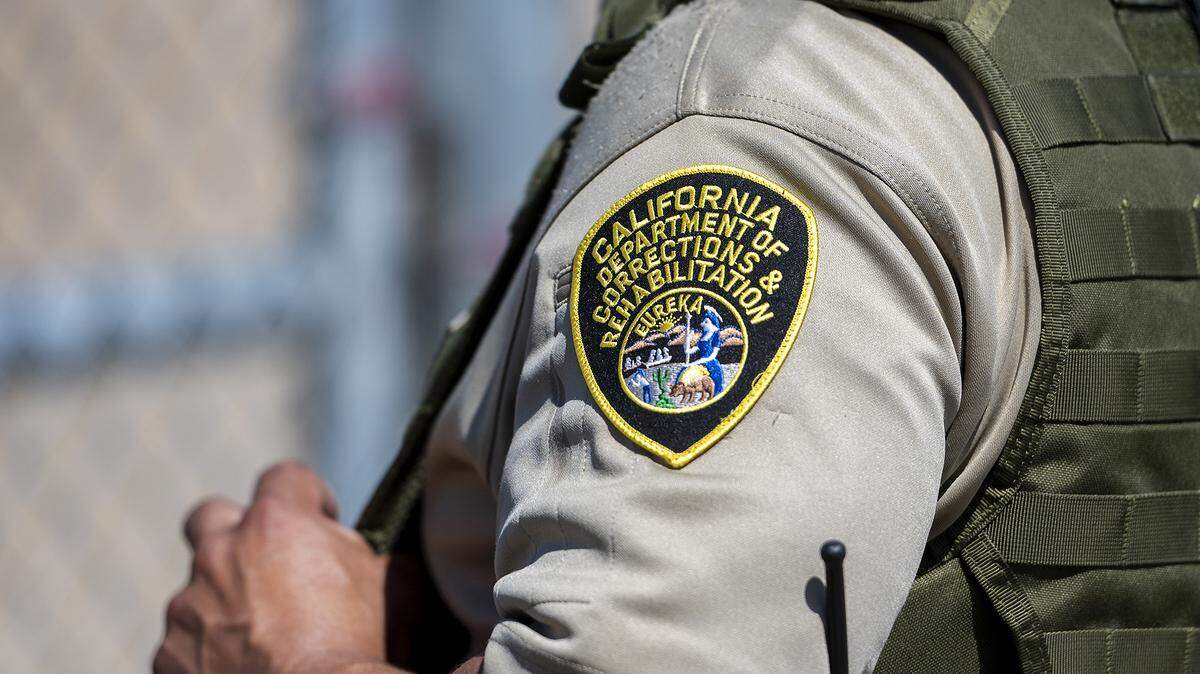
California spends a lot of money running its prison system, and for years state leaders have tried to decrease those costs.
While there has been some progress, prison spending has remained stubbornly high considering the state’s incarcerated population has dropped by half over the last 20 years.
One of the few reliable ways to lower California Department of Corrections and Rehabilitation’s expenses is closing prisons, which the Newsom administration has done three times since 2021 and is in the process of closing one more.
“The state is bending the cost curve because it is closing facilities,” said Caitlin O’Neil, a fiscal analyst with the nonpartisan Legislative Analyst’s Office who specializes in prisons. “We’re eliminating some of those fixed costs and reducing the staffing levels.”
On average, closing one state prison is estimated to save California roughly $150 million annually. But it also results in the loss of stable jobs in the community where the facility is located and requires prison staff to either transfer facilities or find employment elsewhere. The number of staffers working in each of California’s 31 prisons ranges between 1,000 and 2,000 depending on the facility’s size.
Despite a recommendation from the LAO and an appetite from some lawmakers to continue shuttering prisons, Gov. Gavin Newsom does not plan to do so as part of his final budget proposal. Instead, the Newsom administration hopes to trim CDCR’s budget by following the advice of outsider consultants who were hired to look for ways to make state government more efficient.
Initial savings estimates are pared down
The Boston Consulting Group, which was awarded a $20 million contract last year, took a fresh look at the department’s budget and made recommendations on where wasteful spending could be cut. But since this efficiency exercise was first announced, the amount the state expects to save from the consults’ recommendations has been dramatically reduced.
The state initially estimated it could save $125 million in fiscal year 2025-26 based on the work from the BCG contract, but that estimate was revised down to $42 million at the May revision. In fiscal year 2028-29, that discrepancy is expected to grow significantly. Savings in that year were initially estimated to reach $635 million, but now the state only anticipates saving $116 million.
“The actual savings versus what we were anticipating is less than 20% — that’s pretty stark,” said Assemblymember Tom Lackey, R-Palmdale, during an Assembly budget subcommittee hearing last week.
In response, Madelynn McClain, CDCR’s director of administrative services division, said, “When the original savings targets were estimated, it was based on a point-in-time, high-level analysis that was done without digging too deep into all of the different areas.”
Lackey, who has previously expressed frustration with the diminished savings the BCG consultant’s work is expected to produce, questioned whether he and his colleagues should have confidence that the state will actually see these savings in the coming years. McClain reassured him that those savings have already been reduced from CDCR’s budget.
Workers’ compensation savings
During last week’s budget hearing, CDCR officials highlighted three areas where the department could cut costs. Those included: “workforce optimization,” third-party procurement and workers’ compensation, the latter of which eats up a sizable portion of the department’s budget.
In fiscal year 2024-25, the department’s industrial workers’ compensation costs reached nearly $700 million, which equates to roughly 5% of CDCR’s annual budget, according to a recent budget change proposal.
To help cover the medical expenses and wage replacement for staff who get injured or sick on the job, CDCR requested an additional $100 million as part of the May revision.
The department needs more money to cover workers’ compensation costs, in part, because the number of workers’ compensation claims has steadily increased by approximately 4% annually in recent years. Since 2020, the number of claims has increased by 4,600, the budget document reported.
“It’s true that officers are getting hurt, and that’s documented by the department itself,” said Nathan Ballard, a spokesperson for the California Correctional Peace Officers Association. He pointed to a CDCR memo issued in March 2025 in which the department noted that there had been a recent “surge in violence against staff and incarcerated persons.”
Ballard said in a statement that claims last longer than they used to. “The department still carries a substantial backlog of COVID-era claims, a portion of which require ongoing medical management,” he said.
In addition to the $100 million budget adjustment, CDCR requested several millions more to hire more “return to work” coordinators to help injured and ill CDCR staff get back on the job more quickly. Because the department has too few coordinators, they have much higher caseloads of workers’ compensation claims.
“As a result, employees remain out of work longer, disability claims stay open longer, and the state incurs higher State Compensation Insurance Fund (State Fund) administrative fees, as well as increased overtime and blanket position costs,” the budget document reads.
By spending more now on hiring coordinators, the state can lower its workers’ compensation costs moving forward. This plan was devised with the help of the BCG consultants, McClain said.
The efficiency consultants also identified ways to save CDCR money, including the elimination of 137 positions within the department and changes to procurement processes to lower purchasing costs of food, laundry services, clothing and furniture, McClain said last week.
While these efforts may result in CDCR saving hundreds of millions of dollars, many maintain that the state needs to continue closing prisons to make substantial progress on reducing prison spending.
‘No bad prison to close’
The Newsom administration has so far resisted calls to close another prison, on top of the four that have already been shut down or are in the process of shuttering.
During last week’s budget hearing, Assemblymember Nick Schultz, D-Burbank, asked why an additional prison closure wasn’t on the table. A Finance Department official said the administration is already in the process of shuttering the California Rehabilitation Center in Norco and planning to close two facilities in a single fiscal year “would be a really big undertaking for the department.”
“As the department continues to close prisons, those decisions get more difficult, because generally the population is more specialized,” the official said, referring to higher mental health needs and an aging population. “The ability to shift the incarcerated population when an institution closes down becomes more difficult.”
What’s more, closing prisons is not popular with the union that represents correctional officers. Ballard, the CCPOA spokesperson, said, “We’ve closed enough prisons for the time being.”
In the absence of more prison closures, CDCR’s costs will continue to grow, largely due to increases in employee compensation costs and higher medical costs for incarcerated people.
“A rule of thumb we have said in the past is one year of typical employee compensation growth is in the ballpark of the operational cost of a prison,” O’Neil said. “So the state would have to close a prison every year to offset baseline employee compensation growth.”
Some members of the Legislature are in favor of continuing to shrink CDCR’s budget by closing facilities. According to a Senate subcommittee’s proposed budget actions, the upper chamber proposed closing another prison by 2027-28.
“I, for one, would love to have a conversation about whether it makes sense to do so,” Schultz said, referring to closing more prisons, during the hearing. “I think it’s a feat, but it can be accomplished if the political will is there.”
Amber-Rose Howard, the executive director of Californians United for a Responsible Budget, a nonprofit that advocates for reducing prison spending by decreasing the state’s incarcerated population, said there are thousands of empty beds in state prisons. She pointed to a 2024 LAO report that found there were 15,000 empty beds in California prisons, which was projected to grow to roughly 19,000 empty beds by 2028.
“The state is just really avoiding the idea of closing prisons, likely because of this very concerted effort to bring back a tough-on-crime narrative across the country,” Howard said.
Howard said that based on those numbers the state could close up to five prisons.
“There’s no bad prison to close, just pick one,” she said.