New bill tackles barriers to hiring formerly incarcerated firefighters
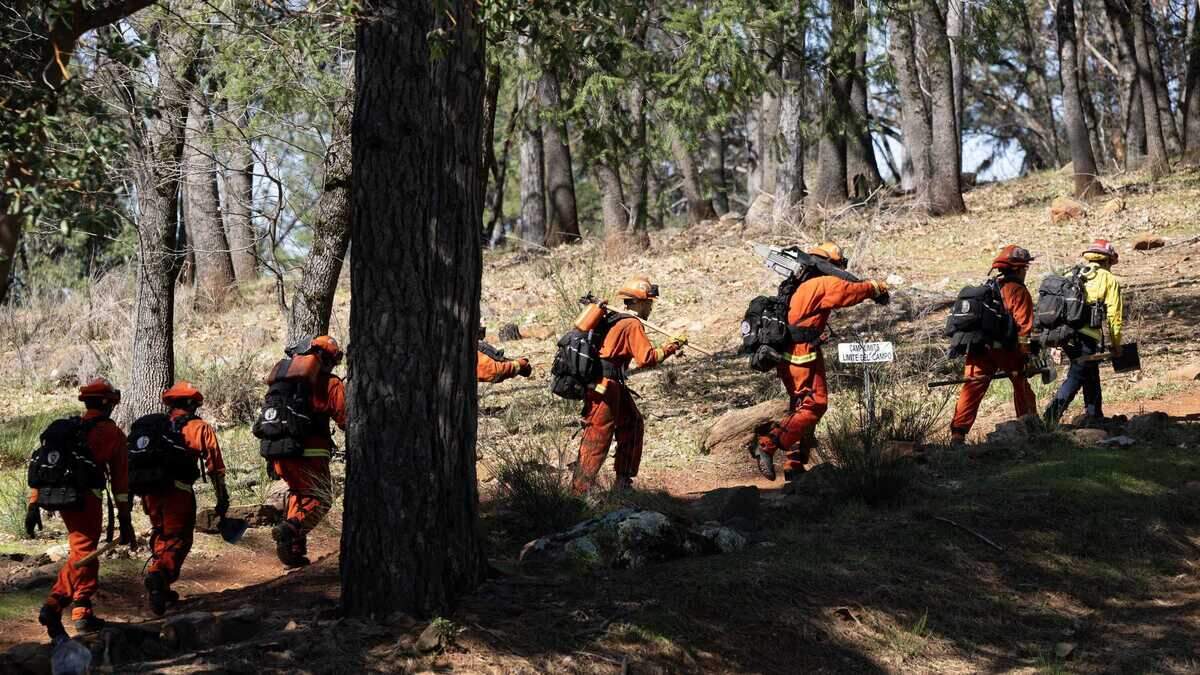
As Cal Fire describes being understaffed and overworked, and local departments grapple with vacancy rates of almost 25%, droves of trained firefighters remain barricaded from the workforce.
Over 1,800 incarcerated firefighters across California live in “fire camps,” operated by the California Department of Corrections and Rehabilitation. Hundreds of these convicted firefighters were deployed to help fight the Los Angeles wildfires and have been helping to offset Cal Fire staffing shortages for decades.
A new bill authored by Assemblymember Sade Elhawary D-Los Angeles, AB 2483, which is currently sitting in the Appropriations Committee, mandates that convicted firefighters’ work be considered professional service as opposed to part of a rehabilitation curriculum and gives hiring preference to formerly incarcerated individuals applying for Firefighter 1 positions within Cal Fire. CDRC must also award each eligible convict a firefighter certification upon their release to prevent paperwork buildup that would delay their entry into the workforce.
“The more we can expand this program, the better; so many people who go through this program are less likely to re-offend,” said Elhawary, who said she hopes the program will eventually offer incentives like earlier release from prison.
Elhawary’s bill is the second life of AB 1380, which failed last year. It contained the key provision that Cal Fire must reserve at least 15% of all vacant Firefighter 1 positions each year for formerly incarcerated individuals, and was opposed by Cal Fire Local 2881 and California Professional Firefighters.
The new bill has a broader base of legislative support and instead uses the preference distinction to incentivize hiring former convicts as opposed to the 15% quota.
“Cal Fire opposed the 15% because it didn’t necessarily align with how they already work” Elhawary explained. She noted that has been working closely with Cal Fire to narrow the scope of the training requirements to match its workflow.
AB 2483 follows a spree of legislation to clear hiring pathways for convicted firefighters and dignify incarcerated labor in the last year. AB 247 created a new compensation floor for incarcerated firefighters by raising their minimum wage to $7.25 an hour from between $5.80 and $10.24 per day. AB 812 heightened the possibility of convicted firefighters’ cases getting a “second look” from lawmakers, and SB 245 expedited the expungement process for formerly incarcerated firefighters.