California’s November housing bond: What’s at stake for UC, CSU systems?
California voters will decide in November if the state should borrow a record $11.25 billion for affordable housing programs. If the measure — Proposition 1 — passes, a small piece of the pie will be reserved for the University of California and California State University systems.
With housing costs posing a significant barrier to the accessibility of four-year universities, the bill provides $350 million for the construction of new affordable student housing projects. The money will be split evenly between the UC and CSU systems and administered under the state’s existing Higher Education Student Housing Grant Program. This marks the first time that student housing has been included in a housing bond in the state.
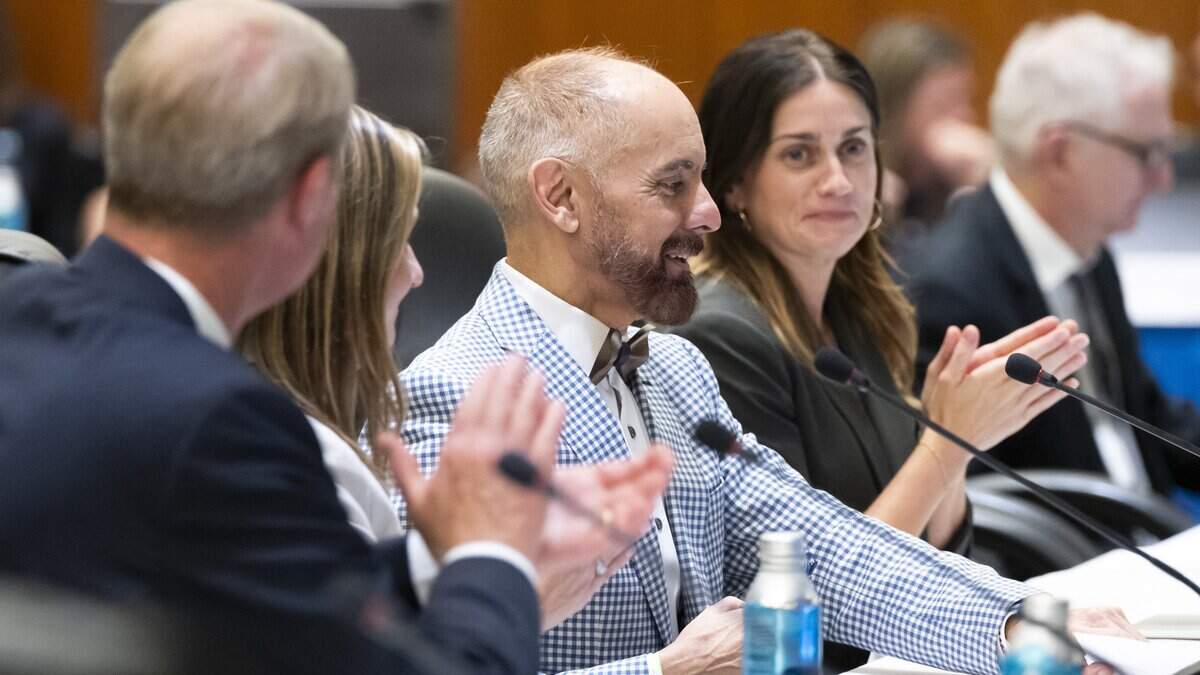
“We have been funding housing in California principally through bonds since 1998 — passing bonds in 1998, 2002 and over and over again. None of them have ever included any money to build student housing,” said state Sen. Christopher Cabaldon, D-West Sacramento, at the UC Board of Regents meeting Wednesday. Cabaldon co-introduced the housing bond legislation in early 2025.
“That’s why the $350 million in Prop. 1 is such an important breakthrough, not just for the projects that are in line and ready to go here at the University of California, but also to place a marker that the people of California understand and believe in assuring students have adequate housing, that the communities that host university campuses maintain their sense of place and affordability as well, and that it’s a critical investment for the people of California to be making in their higher education system.”
With the number of students enrolled in the UC and CSU systems significantly higher than the number of available beds, there is a critical housing shortage at higher education institutions across the state. More than half of surveyed students across the CSU, UC and California Community Colleges systems have experienced housing insecurity, according to a 2025 report by the state auditor.
Research shows that these students are more likely to have poorer physical health, higher rates of depression and lower GPAs than their peers. In addition, this shortage places high pressure on local housing markets, exacerbating the broader housing crisis and creating challenges for communities near college campuses, the report said.
The UC and CSU systems advocated in the Legislature for several months to get the bond measure on the November ballot. Now, they need to convince California voters.
At the Wednesday meeting, the UC Board of Regents unanimously voted to endorse the Veterans and Affordable Housing Bond Act of 2026. By policy, this official endorsement allows the university to now undertake “informational and educational activities” about the impact of the measure on the UC system in the run-up to the Nov. 3 election. The CSU board will consider a similar resolution at its meeting next week.
When it became clear that the bond measure would make it to the ballot at the end of June, CSU Chancellor Mildred García issued a statement pointing to its importance for the system.
“This critical investment will enable the CSU to provide more affordable housing for low-income students at multiple CSU universities,” García said in a statement. “Expanding access to on-campus housing is essential to students’ academic success and overall well-being, as well as the housing affordability of the communities that our universities are in.”
In a July 2025 report, independent of the new bond measure, CSU projected the addition of more than 5,600 beds between 2025 and 2030 based on projects currently under construction or approved. In that report, the system said it included an additional 12,600 beds in its 2025-2030 five-year plan which could be added “depending on market and funding conditions.” The 2026 bond measure, if approved, would go towards making at least a section of that plan reality.
The UC system, meanwhile, plans to build roughly 2,300 new student beds across the state if the bond measure passes. It will leverage its anticipated $175 million from the state bond, CFO Nathan Brostrom said, and borrow an addition four dollars for every dollar that the state puts in. This will give the system nearly $900 million of financing to put towards student housing projects.
This month, the UC system also signed a “community workforce agreement” with the State Building and Construction Trades Council of California to provide a framework for workforce development and project coordination as it plans major construction over the next five years. This includes the student housing projects that the passage of Prop. 1 would enable.
This story was originally published July 16, 2026 at 3:59 PM.