After utility wildfire fight, PG&E may delay renewable projects up to a year
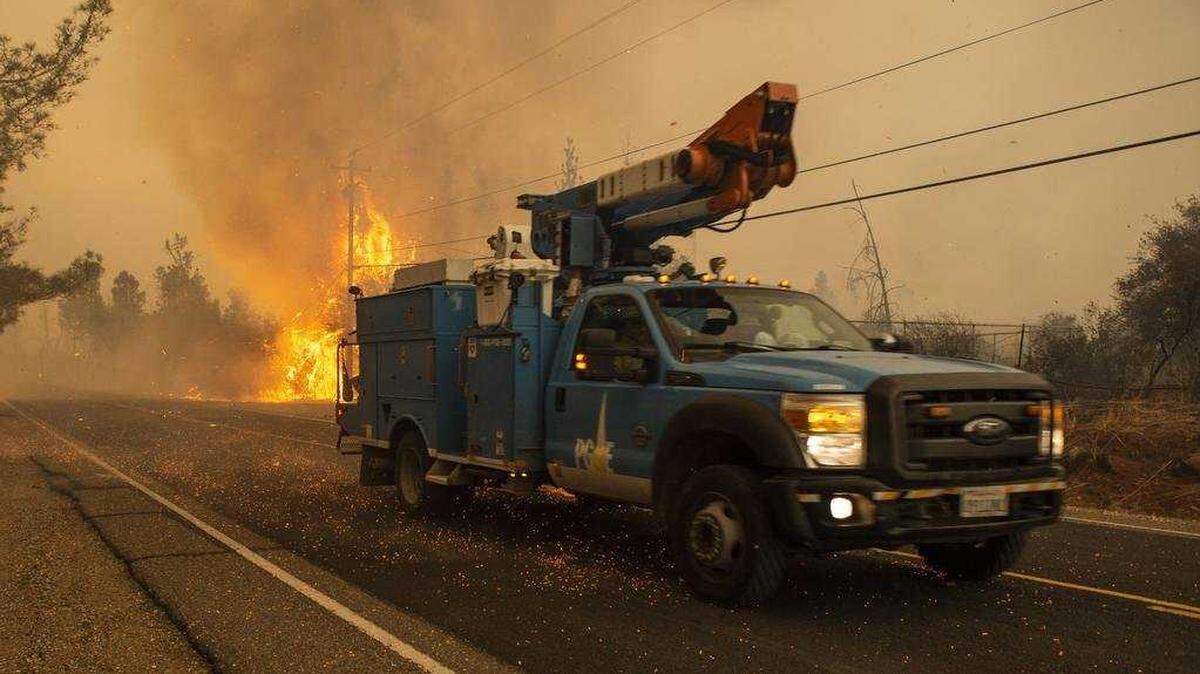
Pacific Gas and Electric Co. said it has sent letters to customers notifying them of potential delays in planned work after the corporation announced last month it was putting off $2 billion in spending. The move follows what the company saw as a missed opportunity by the California Legislature to change how the state handles utility-caused wildfires.
Lynsey Paulo, a company spokesperson, said the possible delays could hit more than 60 renewable energy projects, including battery storage facilities. Paulo could not name the companies affected by the decision or where the jobs are located. But she said these projects could be delayed by up to a year. The postponed investment is about 15% of what the company was planning to spend.
“This is all tied to the wildfire risk in California driving up our costs,” she said.
The news is part of an effort by the corporation to put pressure on state lawmakers to pursue changes that it wants to see in the company’s liability for future fires that its equipment causes.
Last month, the company’s CEO Patti Poppe told The Sacramento Bee that PG&E decided to defer the work once Democrats in the Legislature and Gov. Gavin Newsom did not reach a satisfactory deal to reduce the company’s risk.
A major concern for PG&E is that California courts have interpreted that utilities are liable for property damage from blazes their equipment starts — even if they followed safety and mitigation requirements. Insurance companies can also collect money to pay policyholders for damage from the utility-sparked fires.
PG&E agreed to pay out at least $11 billion for insurance claims following major fires in 2017 and 2018 and the company is concerned about its financial standing in the event of another blaze in the future.
Newsom tried to force through a deal at the end of the legislative session that included phasing out or reducing how much insurance companies could collect in future fires, but he was met with resistance by legislators. The final agreement did not include changes to that practice and was ultimately not voted on by the Legislature after the last-minute deal was strongly criticized, particularly by assembly members.
PG&E serves about 16 million people in the state, including more than 250 cities and counties. The company said the delays could also include supporting local governments with projects and connecting new customers to service. Paulo said these projects could be delayed by up to six months.
The company said putting off the work allows it to borrow less money, avoid paying higher interest rates and ultimately passing costs on to customers. Expenses related to wildfire risks have led to more than $4 billion in additional interest spending, according to the corporation, which customers will pay for. It expects to have more information in December about what projects would be affected.
Jamie Court, president of the advocacy organization Consumer Watchdog, said the company should release the list of projects it plans to delay or be forced to by the Legislature or the California Public Utilities Commission.
“They’re trying to scare people into giving them the bailout they want but don’t need,” he said. “We need to know what projects they are talking about.”
It is unclear if PG&E’s decision to defer is causing lawmakers to act with more urgency.
Newsom asked the utilities commission to prepare a report by Nov. 1 that would look at the consequences of credit rating downgrades for utility companies due to a lack of major changes. That said, he also has acknowledged that he might not be able to secure a deal with legislators before he is forced to leave office in January due to term limits.
This story was originally published October 16, 2026 at 11:36 AM with the headline "After utility wildfire fight, PG&E may delay renewable projects up to a year."