
Why isn’t California’s primary election always held in June?
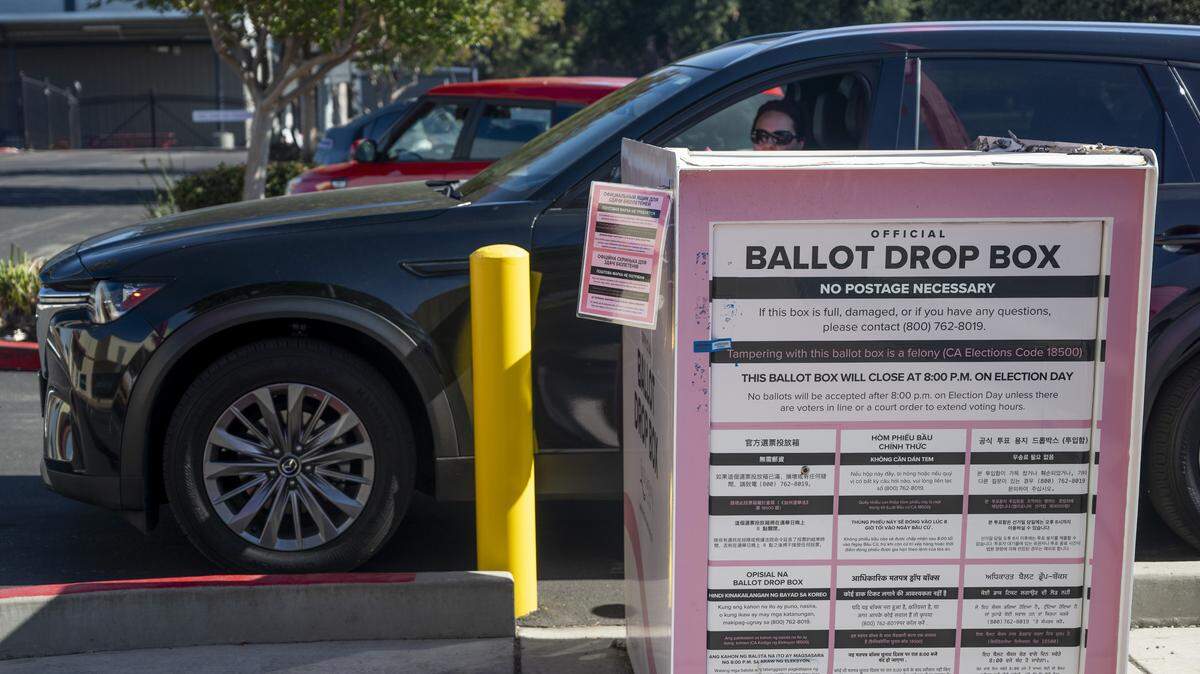
California has ping-ponged on the dates for its primary elections.
Until 1994, California held its primary elections in June. But a desire to make California more relevant in presidential elections prompted a move to March primaries in 1994, 2000 and 2004.
The state held an especially early primary on Feb. 5, 2008.
But arguments over the length of time between the March primary and the November general election affected campaign costs, prompting then-Gov. Jerry Brown in 2011 to move the primary back to June.
Six years later, Brown approved a plan to move California’s primary election to March after signing the Prime Time Primary Act in 2017, making the law effective in 2019, according to the Secretary of State’s office.
The Primary Act also consolidated the state and presidential primary in non-presidential years to boost voter engagement, cut costs for local elections and limit confusion among voters, according to the measure.
In September 2020, Gov. Gavin Newsom signed a law pushing California’s primary elections for congressional and state-level offices in midterm, or non-presidential, election years back to June, Ballotpedia said.
The change does not apply to presidential election years, however.
Technically, California primaries in midterm elections are held on the first Tuesday after the first Monday in June.
How are California primary elections decided?
In 2010, California voters approved Proposition 14, which established the state’s top-two, or “jungle,” primary system, in which voters cast ballots for candidates of all parties and the top two vote-getters advance to the general election, even if they are from the same party.
Prior to adoption of the so-called open primary system, voters cast ballots only for candidates from their own political parties, with the winners from each party facing each other in the general election.
State constitutional offices, state legislative offices and U.S. congressional offices are subject to the open primary system. Presidential elections and non-partisan races, such as city and county officials, do not have open primaries.
.jpg)