
Proposition 31: Should California ban sale of flavored tobacco products including menthols?
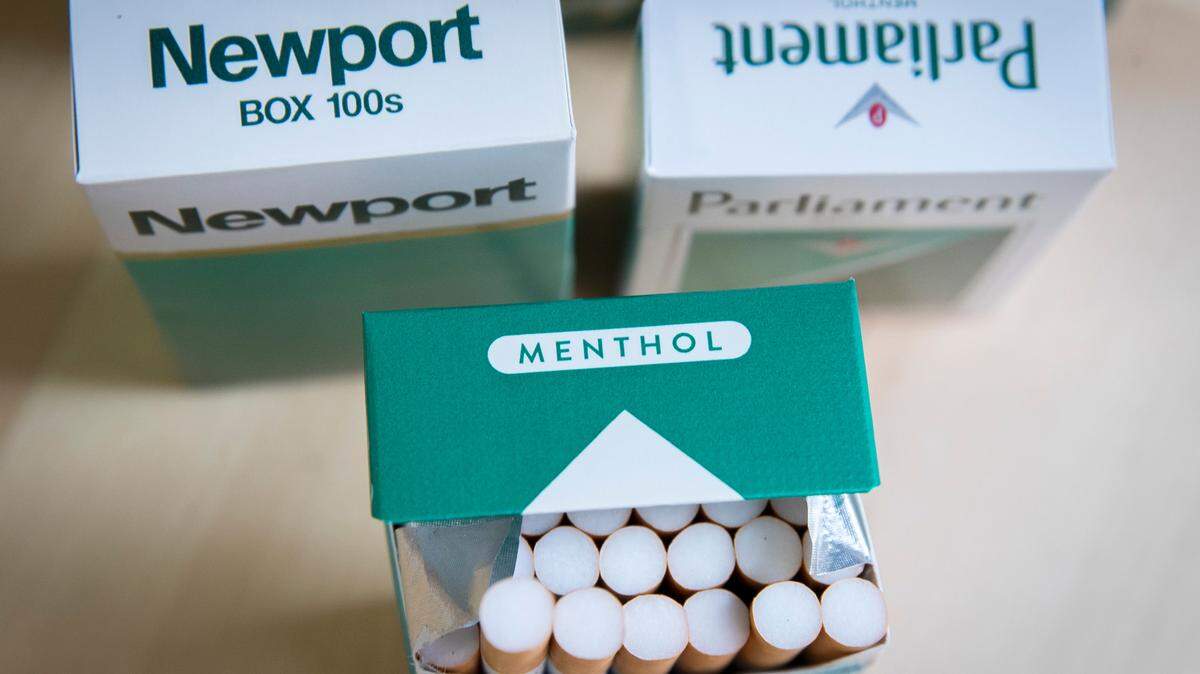
For years, California’s Democratic lawmakers have sought to ban the sale of flavored tobacco products, which evidence shows can lure young people into tobacco addiction.
In 2020, it seemed as if they had finally won. Gov. Gavin Newsom signed SB 793 into law, banning most flavored tobacco products, including e-cigarettes and menthol cigarettes, from being sold.
But tobacco giants like R.J. Reynolds and Philip Morris USA spent millions circulating referendum petitions across the state. In early 2021, Proposition 31 qualified for the ballot. In blocking the ban from going into effect, millions in tobacco sales that otherwise would have been prohibited have gone forward until voters get their say.
What does a ‘yes’ vote mean?
A “yes” on Prop. 31 would ban the sale, either in stores or in vending machines, of most flavored tobacco products and tobacco product flavor enhancers. The ban would not apply to hookah, pipe and loose-leaf tobacco or high-dollar cigars.
What does a ‘no’ vote mean?
A “no” would prevent the flavored tobacco ban from going into effect; such products would remain legal for sale in California.
Who benefits?
Young people who might otherwise begin using tobacco. Advocates point to federal data showing that four out of five who started did so with a flavored product.
Tobacco also is the No. 1 preventable cause of death in California; tobacco-related diseases such as lung cancer kill more than 40,000 state residents each year, according to Proposition 31 supporters. That’s more than alcohol, AIDS, car accidents, illegal drugs, murders and suicides combined.
Prop. 31 supporters also point to the industry’s history of marketing certain flavored tobacco products, such as menthol cigarettes, to communities of color and LGBTQ communities. Banning sales will benefit them.
Who doesn’t?
Tobacco companies stand to lose millions in sales.
Critics of Prop. 31 say that the ban is tantamount to prohibition, something that didn’t work with alcohol or marijuana. They claim that almost half the cigarettes sold in California come from the illicit market, smuggled in from China or Mexico. Prohibition, opponents argue, will only lead to a spike in underground sales.
Opponents say passage would cost California more than $1 billion in cigarette tax revenue over the next four years. The state’s Legislative Analyst’s Office estimates much smaller losses: between tens of millions and $100 million annually. Total tobacco tax revenue was last year was about $2 billion.
Follow the money
Supporters have raised more than $6.2 million thus far, and spent $4.4 million, according to Ballotpedia, which draws its data from the California Secretary of State.
Top donors of include billionaire former New York Mayor Michael Bloomberg, Kaiser Foundation Health Plan, American Cancer Society Cancer Action Network, American Heart Association and the American Lung Association.
Opponents have raised more than $22.9 million, and spent $22.8 million thus far, according to Ballotpedia.
The top financial supporters of the No On 31 campaign include R.J. Reynolds Tobacco Company, Philip Morris USA, American Snuff Company, ITG Brands and Swedish Match North America.