
Better commutes or more sprawl? How a Sacramento sales tax could reshape the region’s future
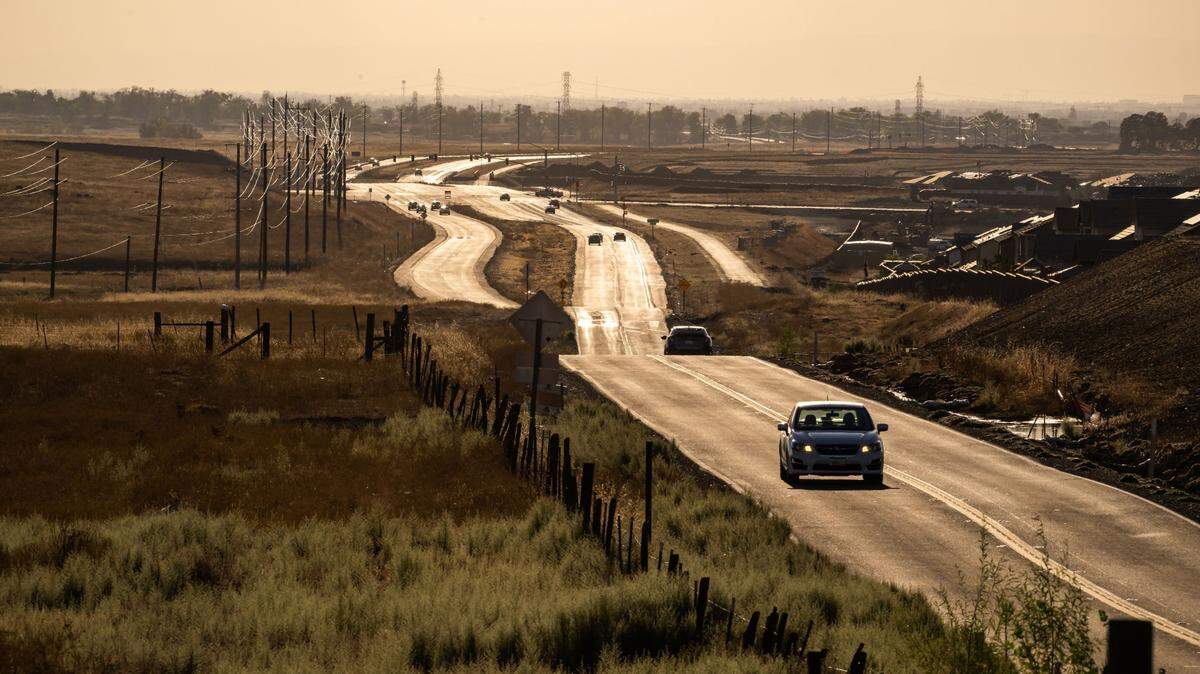
A new expressway connecting two of the Sacramento region’s largest suburbs. Light rail routes to Elk Grove and Sacramento International Airport. Rebuilt freeway interchanges, a new bridge over the Sacramento River and road repairs. Lots of road repairs.
A proposed sales tax on the November ballot in Sacramento County would fund new transportation routes to new corners of a sprawling metropolitan area and change the way thousands of people move around for the next 40 years. Those dramatic changes are precisely why millions of dollars are being spent to get the measure approved – and why many environmentalists, pedestrian advocates and taxpayer groups find it so troubling.
Measure A would increase the sales tax in Sacramento County by one half of 1% for the next 40 years, raising an estimated $8.5 billion for a region where steady population growth has led to worsening commutes and deteriorating infrastructure.
It would also, opponents argue, encourage suburban sprawl – especially along the route of a planned expressway connecting Elk Grove and Folsom – and lead to irreparable damage to the county’s environment and already poor air quality by adding thousands of automobiles to the roads. Those opponents describe the measure as a monumental step backward for the region’s land use and environmental policies.
The campaign to pass the measure, funded largely by construction unions and home developers, had spent just north of $2 million as of Sept. 24, county campaign finance records show. Meanwhile, the opposition campaign had not reported any donations as of last week, creating a David-versus-Goliath dynamic that is likely unmatched in local political history.
Proponents of the measure describe the sales tax as a vital, even life-saving funding source to fix the county’s aging transportation system, help seniors, students and disabled residents, and reduce congestion. Every local government in the county would get money, and roughly $2 billion of the funding would go to Sacramento Regional Transit for its bus and rail service.
“There’s an important need, as we address climate change, to upgrade our transportation network to meet the needs of future generations,” said Michael Quigley, executive director of the California Alliance for Jobs and a co-chair of the tax measure campaign.
Opponents said the funding proposal would instead harm future generations by increasing traffic and redirecting resources away from low-income and urban areas while focusing on growth in the far reaches of the county.
“This is not a citizens’ measure,” said Anne Stausboll, who chaired the Mayors’ Commission on Climate Change for the cities of Sacramento and West Sacramento. “It’s sponsored and bankrolled by special interests that want to use tax dollars to build a new expressway that will enable them to profit by developing the land, paving the way for decades of sprawl and inequity and exacerbating climate change.”
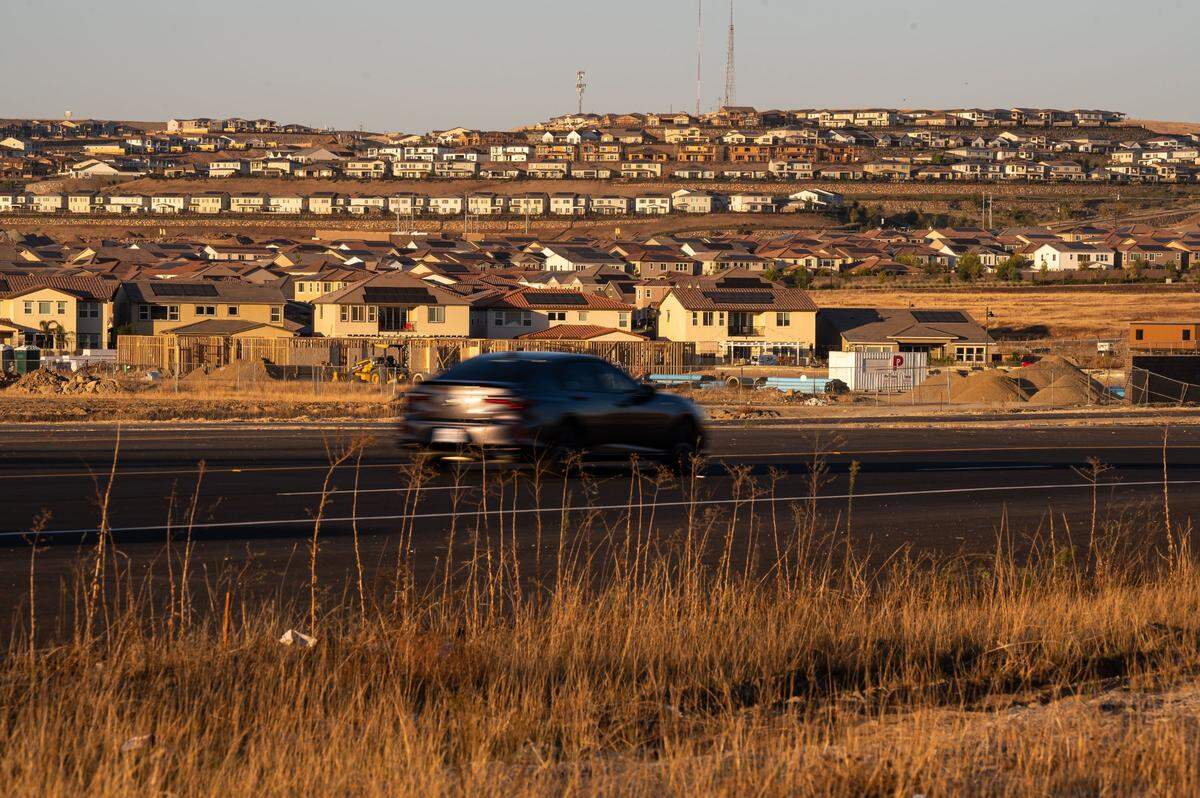
More roads, a new expressway
One of the signature projects funded by Measure A would be the Capital Southeast Connector, a planned expressway that would run from Elk Grove to the Folsom and El Dorado Hills area. The expressway route, along what is now Grant Line Road and White Rock Road, borders a significant amount of land slated for development.
Elk Grove Mayor Bobbie Singh-Allen called the expressway “especially important to my city.” The average one-way commute for an Elk Grove resident is roughly 29 minutes – slightly longer than the regional average – as thousands of drivers compete for space on Highway 99.
“For my constituents, the project will reduce congestion and help with commute times,” Singh-Allen said.
The southeast expressway – and other car-centric elements of the tax measure – have drawn criticism. The measure’s opponents are concerned building new roads and expressways will make it difficult for the Sacramento region to meet its greenhouse gas reduction goals, potentially threatening access to critical state and federal funding for transportation and housing.
PLANNED EXPRESSWAY

Map: The Sacramento Bee
A compromise in June, brokered by Sacramento Mayor Darrell Steinberg, will allow the Sacramento Area Council of Governments to analyze the climate impacts of projects funded by the sales tax. The Council will also have the power to recommend how to mitigate the greenhouse gas impacts of those projects. That compromise convinced Steinberg and some others to support the measure.
Quigley said concerns about new expressways having a disastrous impact on the environment are “obsolete,” given that all new cars purchased in California starting in 2035 will be zero-emission vehicles. And he said transportation networks that encourage housing are vital in a region with a severe housing shortage.
“Concerns about emissions and sprawl inducements, they’re really looking in a rear view mirror of transportation and not toward the future,” he said. “The idea that we won’t have roads in the future, it’s not realistic.”
Measure proponents also said a mass transit line, most likely a bus rapid transit service, would be built along the Southeast Connector “to mitigate greenhouse gas (GHG) emissions and meet air quality targets,” according to the initiative language. Bus rapid transit systems are similar to light rail lines without the tracks, providing dedicated lanes to buses that move through traffic with ease.
Critics argue that just places more pressure on county residents.
“Taxpayers are already being asked to pay hundreds of millions of dollars to build these highways and expressways and now taxpayers are being asked on top of that to pay hundreds of millions of dollars more to mitigate (the environmental impacts),” Stausboll said. “And that just doesn’t make any sense.”
Redefining mass transportation
Roughly 40% of the annual tax revenue will be given each month to Sacramento Regional Transit, a major boost for the region’s largest mass transit organization.
Regional Transit general manager and CEO Henry Li, who as a non-elected public official is prohibited from taking an official public stance on the measure, said more funding would help to modernize and expand a system that served more than 20 million riders per year before the pandemic.
The measure includes funding for an extension of light rail lines to Elk Grove, Citrus Heights and Sacramento International Airport. “High capacity bus” networks would be added to Stockton Boulevard, Watt Avenue, Sunrise Boulevard, Florin Road and Arden Way. And a new bus rapid transit system would be added to some major thoroughfares, a plan that includes covered stations and buses every few minutes through crowded commuter corridors.
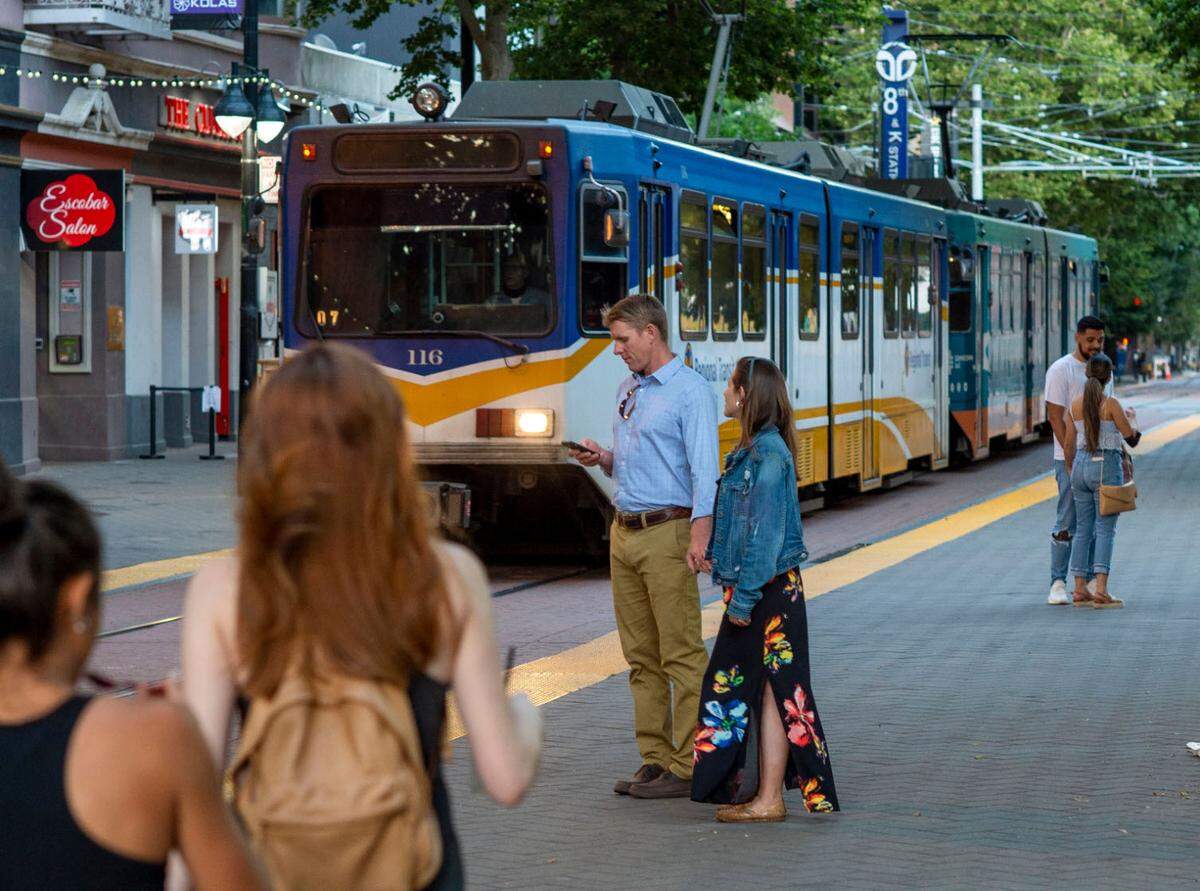
Li said the investment in mass transit could double the system’s ridership, removing millions of vehicles from the roads over the next 40 years and providing improved access to disadvantaged communities.
“We can take this region to a whole new level,” Li said. “It is time for this region to think about our future mobility.”
While generally supportive of mass transit, critics of the tax measure describe the Regional Transit funding as window dressing to an otherwise damaging proposal.
“This stuff all sounds good. Regional Transit sounds good,” said Bruce Lee, head of the Sacramento Taxpayers Association. “Big numbers look good on a piece of paper. But the whole goal is to get voters and taxpayers to pay for projects that will benefit developers.”
Concerns with the measure
An unusual alliance of groups from both sides of the political spectrum has formed to oppose the measure. It includes a handful of Democratic party clubs and the Sacramento County Republican Party. The Sierra Club, the Sacramento Taxpayers Association and Sacramento City Councilwoman Katie Valenzuela are also against the measure.
“All money isn’t good money,” said Nailah Pope-Harden, executive director of ClimatePlan, a statewide organization that advocates for land use and transportation policies that are climate friendly. “It may have some short-term fixes, but it’s going to set us up for more problems in the long term.”
Taxpayer advocates argue the sales tax is “regressive,” meaning low-income earners and the wealthy will pay the same tax rate. And opponents are worried it will divert attention from existing urban corridors in favor of sprawling suburban neighborhoods (the measure does include funding to improve several aging corridors, including Stockton Boulevard, Meadowview Road, Northgate Boulevard and Folsom Boulevard).
And then there’s the concern over who is funding the measure. “This is not your local neighbor down at the Walmart saying, ‘Hey, we have an issue we need to solve,’” Lee said.
Many of the region’s largest development firms and construction unions are bankrolling the campaign.
The Cordova Hills Development Corp. donated $250,000 to the cause; Cordova Hills is a planned development of hundreds of homes bordering the proposed southeast expressway route. The development firm owned by prominent builder Angelo K. Tsakopoulos has donated $95,809. The California Alliance for Jobs, a committee funded largely by the construction industry, gave the campaign $250,000 in April, campaign finance records show.
“From my standpoint, I don’t think we have an option to not fight this,” said Pope-Harden. “Do we have a chance? Absolutely.”
The measure needs just a simple majority to pass. A similar measure in 2016 needed a two-thirds vote for approval and fell just a few thousand votes shy.
This story was originally published October 12, 2022 at 5:00 AM.
CORRECTION: Editor’s note: A previous version of this story reported Sacramento Regional Transit would receive 25% of the funding from Measure A. The agency will receive 40% of the funding.