Two candidates are running for Folsom City Council District 1. Here’s where they stand
Folsom voters for the first time are electing City Council members to represent neighborhoods. Councilman Mike Kozlowski and Historic Folsom Residents Association President Michael Reynolds are running to represent District 1 covering the citys northern neighborhoods.
Mike Kozlowski
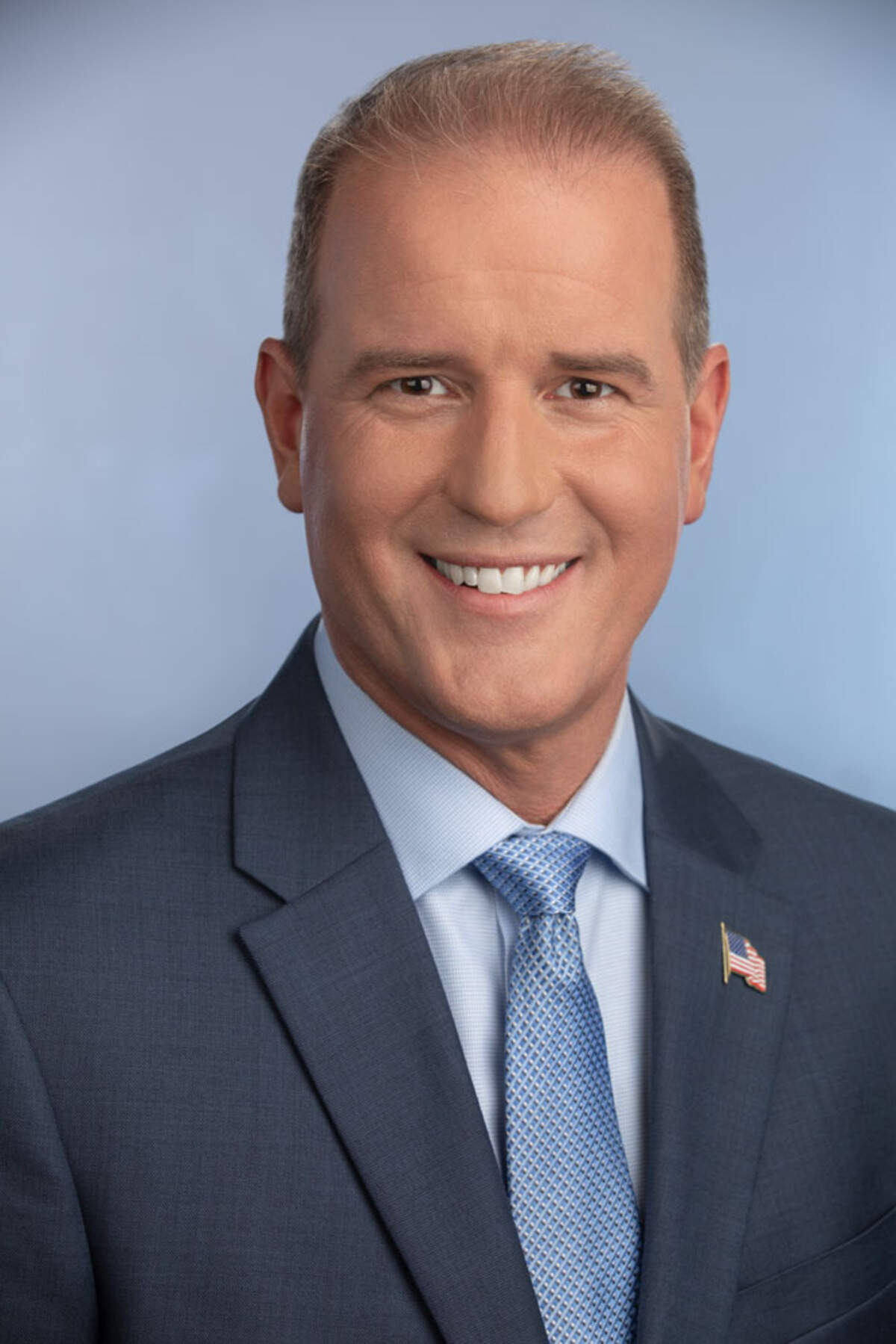
Voter registration: Republican
Age: 54
Birthplace: Chicago, Illinois
Place of Residence: Folsom District 1
Occupation: Businessman, high school coach
Education: Lawrence Technological University, bachelor of science and master architecture design degrees
Offices held: Folsom City Council, 2018 to present
Campaign Website: www.mike4folsom.com
This is the city’s first-year with district elections. What is your top priority for your neighborhood?
Matching Public Safety staffing to our current needs. The last several years have placed a strain on the men and women of the Folsom Police and Fire Department and the days of forced overtime, a public health emergency and being generally shorthanded need to come to an end. So hiring and careful adjustments to our budget are required. This must pair with the required hard work to bring targeted economic development to Folsom to generate the additional sales tax revenue needed to fund these changes.
Thousands of new homes are being built on the city’s southern edge in the Folsom Ranch neighborhoods, but there are some questions about whether the city will have enough resources. Do you feel the city is prepared for the addition of these homes?
Yes absolutely, good planning by city staff and past councils has gone into every step of the development staging in the Folsom plan area. There is no question that we have the water resources we need. Folsom, at build out, will use less than two-thirds of the water rights it owns, and that amount is less than two percent of the water that flows through Folsom Lake annually. We are also methodically implementing plans put in place years ago to grow the city staff and services to meet the needs of those new residents for public safety, parks, trails, and schools.
What else can the city do to cut its water usage given that climate change is expected to reduce the region’s already tight water supply?
As a city we continue to educate residents on a regular basis about thoughtful use of water. We have free programs to help identify leaks and we have incentives for removing or reducing existing lawns. The development projects in the Folsom plan area are some of the most water efficient projects in the region. They have little or no lawn, state of the art water efficient fixtures and many have leak detection systems incorporated into their home security and smart home controllers. We are also working hard to interconnect our Folsom water distribution system to neighboring water districts who have injection wells so that in wet years we can send our excess water to underground storage and in dry years pull from that aquifer, instead of from surface water that may be needed for other purposes.
Michael Reynolds
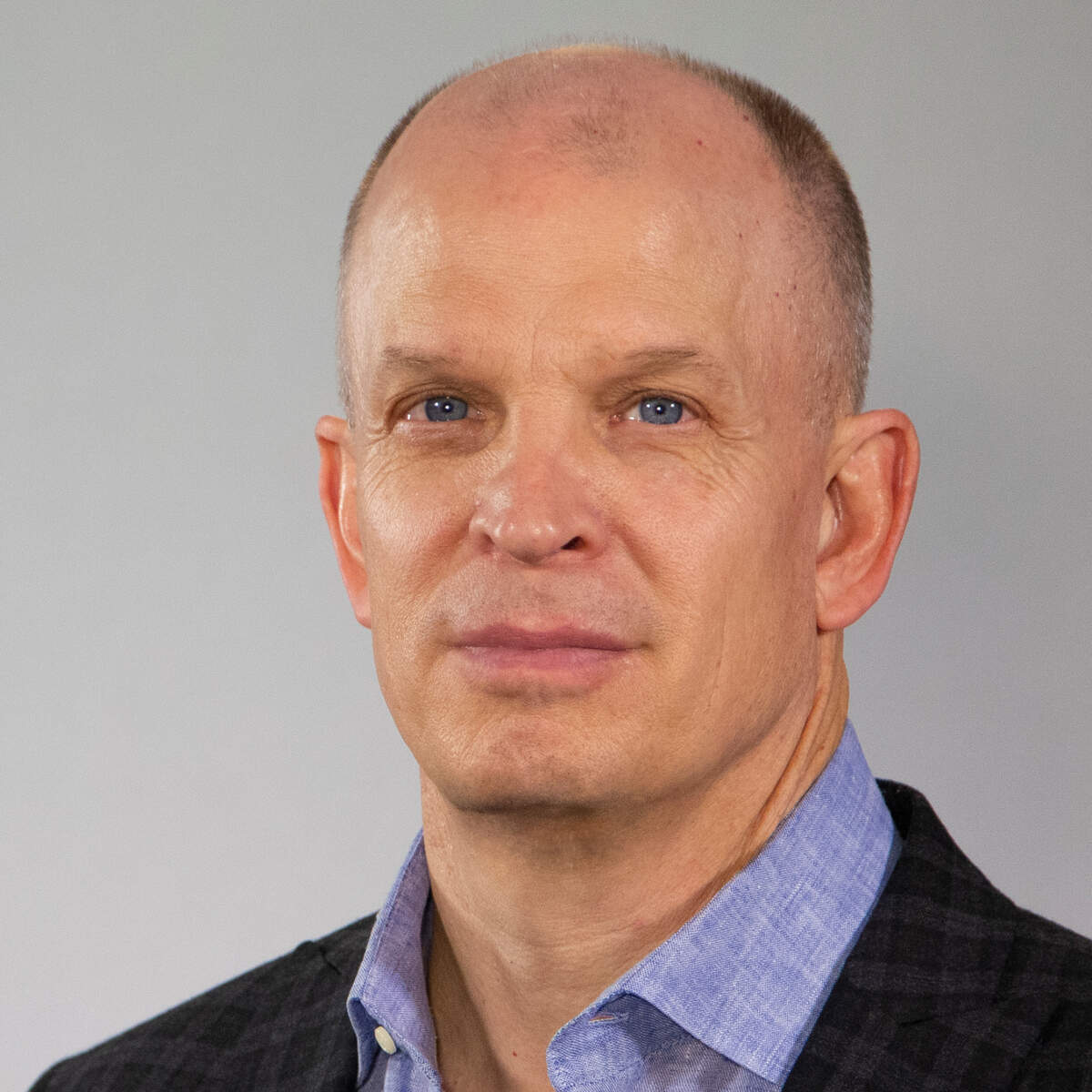
Voter registration: Registered Republican (in the Bob Dole mode)
Age: 56
Birthplace: Moline, Illinois; grew up in Kansas
Place of Residence: Historic Folsom
Occupation: Product manager Intel custom silicon group
Education: University of Kansas, bachelor of science in accounting and business and in mechanical engineering; Stanford School of Mechanical Engineering, certificate in product creation and innovative manufacturing
Offices held: President Historic Folsom Residents Association (501(c)4)
Campaign website: electmichaeljreynolds.com
This is the city’s first-year with district elections. What is your top priority for your neighborhood?
- “A River District Plan” balances the historic, natural and the commercial needs of District 1 residents
- Commitment to an actionable plan to support the long-term infrastructure and traffic needs of District 1 (Hinkle Creek, Historic Folsom Downtown, addition of the River District, and more)
- Update city processes to improve efficiency, increase transparency, and engage the community more in the solution space
Thousands of new homes are being built on the city’s southern edge in the Folsom Ranch neighborhoods, but there are some questions about whether the city will have enough resources. Do you feel the city is prepared for the addition of these homes?
- South of Hwy 50 is a unique situation, but overall the city is slightly behind the curve.
- The city needs the new home footprints to generate property tax dollars that make up for lagging sales tax revenue (relative to the increasing population), but the property dollars are being absorbed into the general fund in support other projects while the basic tenants of public safety and infrastructure are lagging. Specific examples include
- Police head count is one full patrol short of where it needs to be for the increased population resulting in increased response times as the existing teams are forced to cover a larger area.
- Infrastructure where the Empire Ranch interchange is not set to break ground until 2026 forcing all the increased traffic to cross Hwy 50 at Bidwell which is already the most congested intersection in the city.
- City has committed fund to build a new fire station and hired the crews, but until there is a staffed physical location responses will come from north of Highway 50.
What else can the city do to cut its water usage given that climate change is expected to reduce the region’s already tight water supply?
- Continue the residential and commercial water restrictions regardless of annual rainfall so that citizens and businesses can adapt (invest) in the new normal
- Continue to provide & possibly increase funding to support transitions like lawn removal
- Aggressive composting and ground cover to slow soil evaporation
- Long term analysis of how much population can be support under various rainfall and retention scenarios
- Begin LEED upgrades to lower the overall waste footprint of city owned buildings