
California Proposition 1 channels billions into behavioral health, homelessness spending
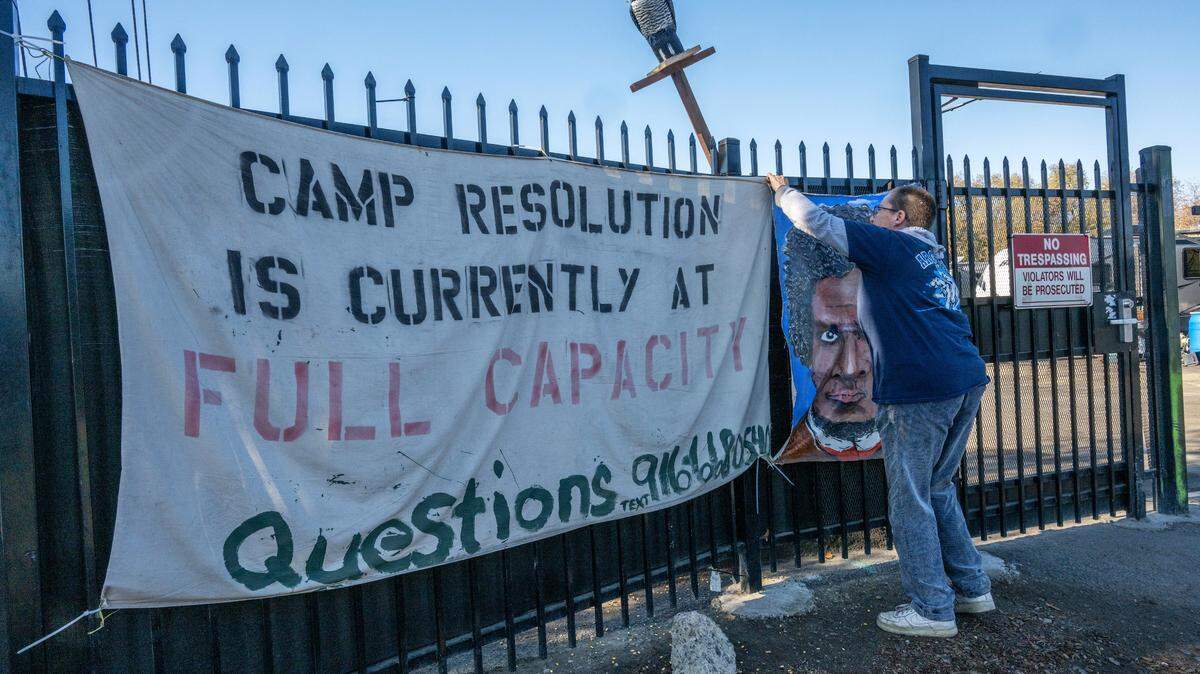
Two decades after California voters approved a ballot measure that taxed the rich to pay for mental health services and drug and alcohol treatment, they will be asked to amend that law in a bid to address the state’s homelessness crisis.
Proposition 1 will appear on the March 5, 2024 ballot.
The ballot measure asks voters to restructure the 2004 Mental Health Services Act as the Behavioral Health Services Act and to approve a nearly $6.4 billion bond that would be used to fund the construction of more places for mental health care and drug and alcohol treatment, as well as more housing for people experiencing homelessness or who have mental health or substance abuse problems.
The Mental Health Services Act, or MHSA, implemented a 1% tax on people with incomes of more than $1 million a year. According to the nonpartisan Legislative Analyst’s Office (LAO), it raises between $2 billion and $3.5 billion a year, with 95% of that money going to county governments to pay for mental health care and drug and alcohol treatment.
What a ‘Yes’ vote means
A yes vote would accomplish two things.
First, it would increase the state’s share of revenue from the 2004 millionaire’s tax from 5% to 10%. The state would be required to spend a dedicated portion of that money on increasing the number of mental health care workers and also on mental illness and substance abuse prevention efforts.
Counties, which would receive less funding, also would be required to spend more of the funding they do receive on housing and services like employment assistance and education, according to the LAO.
“Counties would continue to provide other mental health services under the proposition, but less MHSA money would be available to them for these other mental health services,” according to the analysis.
Second, the measure would authorize the issuance of a $6.38 billion bond that would be used to build more mental health and substance abuse treatment centers across the state. According to the LAO, $4.4 billion of that money would go toward this state program, with at least $1.5 billion of that $4.4 billion going to local governments and tribes.
Another $2 billion would go toward a state program that gives local governments money to transform derelict hotels and motels into housing, as well as building new housing, intended for people who are homeless or at risk of being so, or who have mental health or substance abuse problems. Just over half of that money would be set aside for veterans, according to the LAO.
If approved, Prop. 1 would result in counties receiving approximately $140 million less in MHSA funding every year, with that money instead going to the state.
The LAO estimates that the cost to repay the bond will be $310 million annually over 30 years, with payments coming from the state’s general fund.
What a ‘No’ vote means
A no vote is a vote for keeping the Mental Health Services Act as is, and also to reject the proposed bond.
Counties would be allowed to continue offering mental health care and substance abuse treatment as they currently do.
Supporters of Proposition 1
Supporters include California Gov. Gavin Newsom, a Democrat, and State Sen. Susan Talamantes Eggman, D-Stockton.
Eggman co-authored the bills that placed Prop. 1 on the March primary election ballot, while Newsom used the bully pulpit to champion the bills and signed them once they reached his desk.
“This reform will bring much needed accountability currently lacking at the local and state level, increased transparency and visibility into the whole mental health and addiction treatment system, and a modernized focus to address today’s crises,” Newsom said in a statement last fall.
Other supporters of the ballot measure include the California Professional Firefighters, the California Chamber of Commerce, the League of California Cities and the National Alliance on Mental Illness California.
“Mental health treatment has been underfunded for decades, and the COVID pandemic only made things worse. Proposition 1 will finally change that,” according to the official argument in support of the measure, included in the state’s voter information guide. “Proposition 1 authorizes $6.4 billion in bonds and directs billions more annually to finally fix our broken mental health system and move people permanently off the streets, out of tents and into treatment.”
Opponents of Proposition 1
State Senate Minority Leader Brian Jones, R-Santee, and Assemblywoman Diane Dixon, R-Newport Beach, oppose Prop. 1. So does a coalition that includes Disability Rights California, the Howard Jarvis Taxpayers Association, the League of Women Voters of California and Mental Health America of California.
“If the state wants a grand solution for homelessness, it should attack the heart of the problem through the regular budget process — not expensive bond measures that raise taxpayer costs long-term. Californians are already some of the most overtaxed people in the country,” according to the official argument against the measure, included in the state’s voter information guide.
In January, the nonpartisan League of Women Voters of California released a statement condemning the ballot measure.
“The bond portion of the measure was rushed through the legislature with last-minute amendments that opened the door to funding involuntary treatment in locked facilities,” the group said in a statement.