Your guide to the California governor primary race
This year’s governor’s race is unlike any in recent memory. Less than two months ahead of the June 2 primary, voters have yet to coalesce behind a candidate for the top job in California.
Former Rep. Eric Swalwell was beginning to consolidate support of major unions and established Democratic politicians when he was accused of sexual assault and misconduct. He denied the claims but suspended his campaign and resigned his seat in Congress, scrambling what was already an unsettled field.
A California Democratic Party survey released in April echoed other surveys in showing two Republicans leading the pack. Former Fox News host Steve Hilton was the top pick for 16% of voters, compared to 14% who supported Riverside County Sheriff Chad Bianco. Billionaire businessman Tom Steyer and former U.S. Secretary of Health and Human Services Xavier Becerra were tied at 13% support, compared to 10% for former Rep. Katie Porter and 5% for San Jose Mayor Matt Mahan.
EDITORIAL BOARD’S PICK: Read The Bee’s endorsement for the California governor primary race
Only two candidates will advance past the June 2 primary to the general election. That means that if voters continue to split their loyalties, two Democrats or Republicans could face off in the general election.
That prospect became less likely after President Donald Trump endorsed Hilton, a move that could consolidate Republican support behind the Brit. But even that is uncertain; Bianco won more delegates at the state party convention, though neither candidate cleared the threshold needed to win a formal endorsement.
Democrats are putting the Trump administration’s unpopular immigration raids, tariffs, and war in Iran front and center in their campaigns. But with the seven candidates unified in their opposition to the president, they’re also taking aim at California’s affordability crisis. Some, like Steyer, argue the state has been held hostage by corporate interests and utility monopolies, while others, like Mahan and former Los Angeles Mayor Antonio Villaraigosa, argue unions, trial lawyers and state regulations are to blame for high costs.
Many voters are just starting to tune in to the race. Here’s what you need to know.
Who are the candidates?
While 62 candidates are technically on the ballot (including at least two that have dropped out), the Sacramento Bee is limiting our coverage here to candidates who have an operating campaign website and who’ve raised at least $100,000.
Xavier Becerra (D) - Becerra is a Sacramento native with a long history in California politics, having won a seat in the State Assembly in 1990 and the U.S. House of Representatives two years later. He served as California’s attorney general from 2017 to 2021, suing Trump’s first administration more than 120 times. He went on to accept a post as then-President Joe Biden’s secretary of health and human services until Biden left office last year. Becerra’s former aide plead guilty last year to embezzling $225,000 from a dormant campaign account and using it to pad his salary; Becerra has denied any knowledge of the scheme or faced any charges.
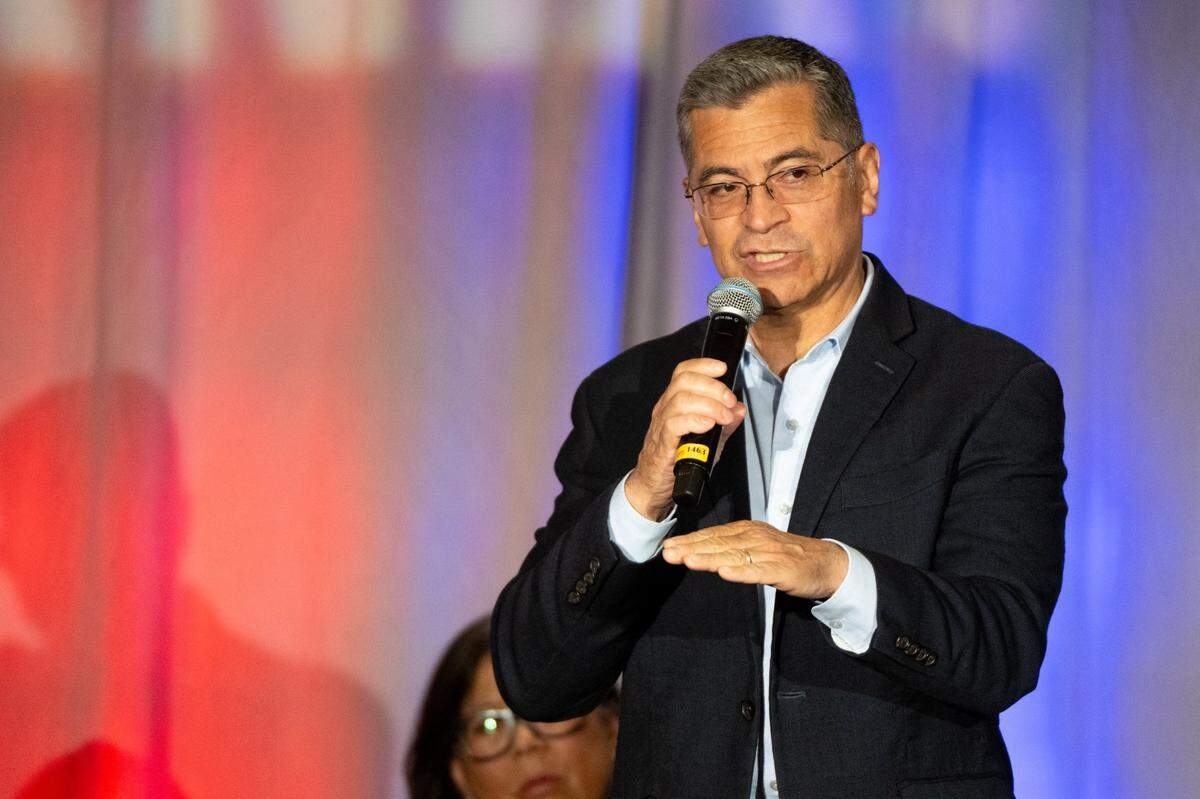
Becerra has anchored his campaign around his decades of political experience, especially his track record fighting Trump in court. The former secretary of health said he’ll work towards a single-payer healthcare system, cut red tape on housing construction and bolster funding for childcare. He’s also emphasized his working class roots, including his father’s job as a union construction worker who built Becerra’s childhood home.
Chad Bianco (R) - Bianco was first elected sheriff of Riverside County in 2018 after serving in the department for more than two decades. He gained attention during the pandemic for his criticism and, in some cases, defiance of stay-at-home orders and COVID-19 vaccine mandates. He’s also faced scrutiny and an active state attorney general investigation over a spike in jail deaths in the county; Bianco says the criticism is inaccurate and politically motivated.
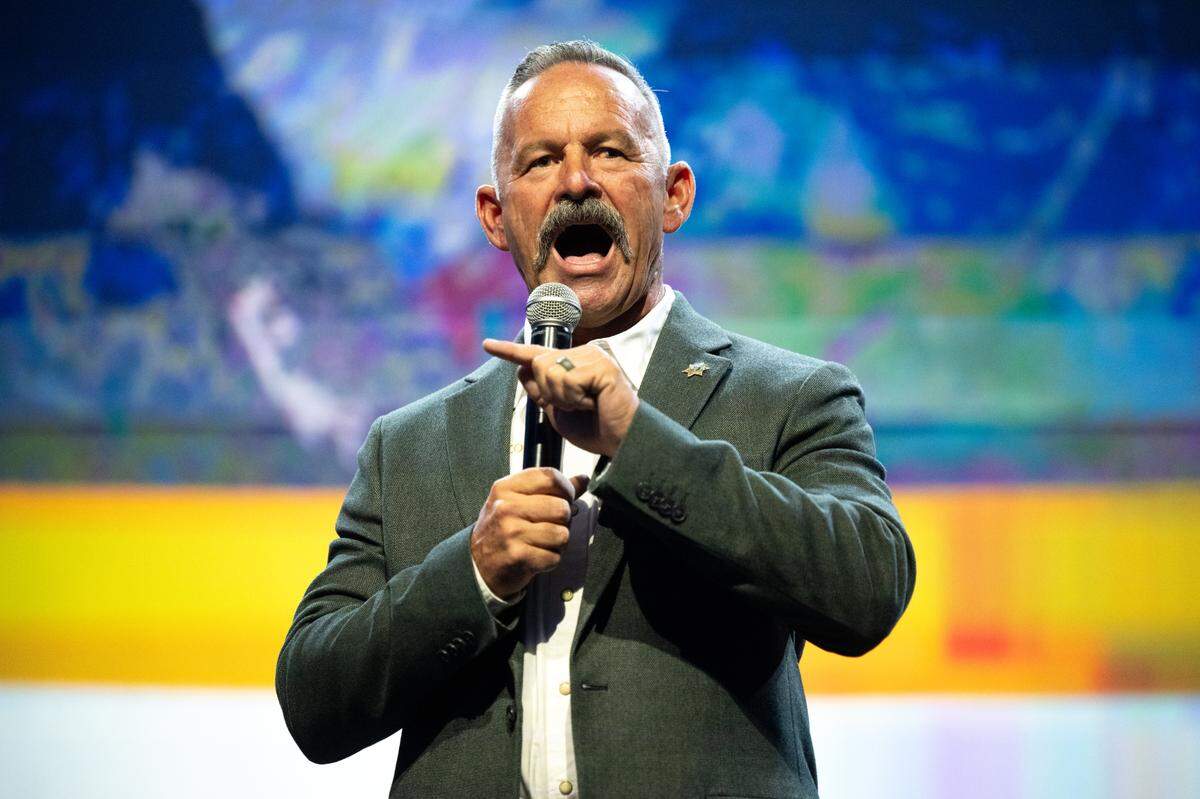
The sheriff has cast his gubernatorial campaign as the only answer to an existential threat posed by Sacramento Democrats, whom he argues have driven the state’s affordability crisis. Bianco has vowed to eliminate income taxes and pay for it by boosting oil production and slashing the state workforce. In February, his office seized 650,000 Riverside County ballots from last year’s Proposition 50 vote; local election officials said the complaints that sparked Bianco’s investigation are based on a faulty understanding of ballot counting, and the Supreme Court of California ordered the sheriff to halt his investigation earlier this month.
Steve Hilton (R) - Hilton is a London native who cut his political teeth in the United Kingdom, working as director of strategy for former Prime Minister David Cameron from 2010 to 2012. The Economist wrote that Hilton helped turn the PM “into a gay-friendly eco-warrior—qualities not previously associated with Tory leaders—and, in the process, an election-winner.” He started a nonpartisan fundraising company called Crowdpac and endorsed Trump in 2016. Hilton began hosting a Fox News show called The Next Revolution the following year, a post he held through 2023.
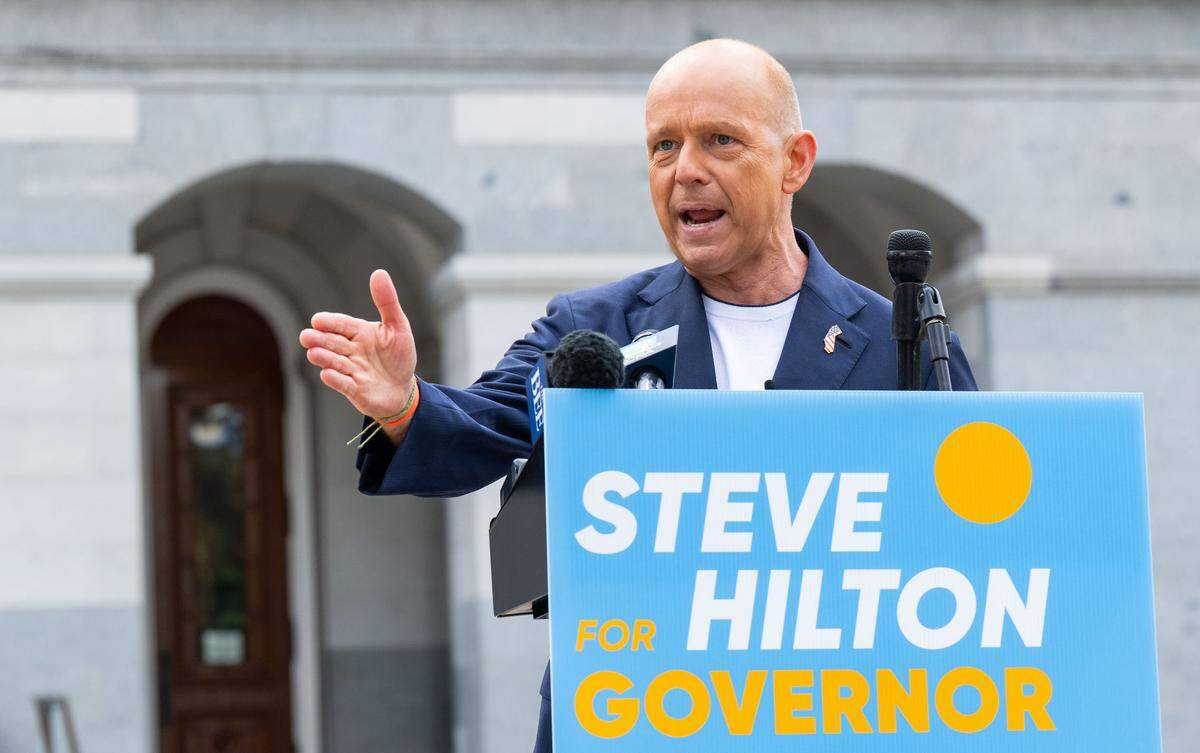
Like Bianco, Hilton has vowed to slash taxes, red tape and regulations that he argues hold the state back. “We’ve got to get rid of the bloat and bureaucracy in our state government, the endless nanny state agencies churning out rules and regulations, the pointless permits and processes and absolute nonsense that drives everyone crazy,” his website says. Hilton also envisions a California version of DOGE, a campaign promise he shares with Bianco.
Matt Mahan (D) - Mahan is a former teacher who went on to a career focused on civic tech, becoming CEO of Causes and later joining the startup Brigade. He was elected to the San Jose City Council in 2020 and mayor in 2022, where he focused on public safety and homelessness. In 2024, he broke with many top Democrats, including Newsom, to endorse Proposition 36, which stiffened penalties for shoplifting, drug dealing and several other crimes. It passed overwhelmingly.
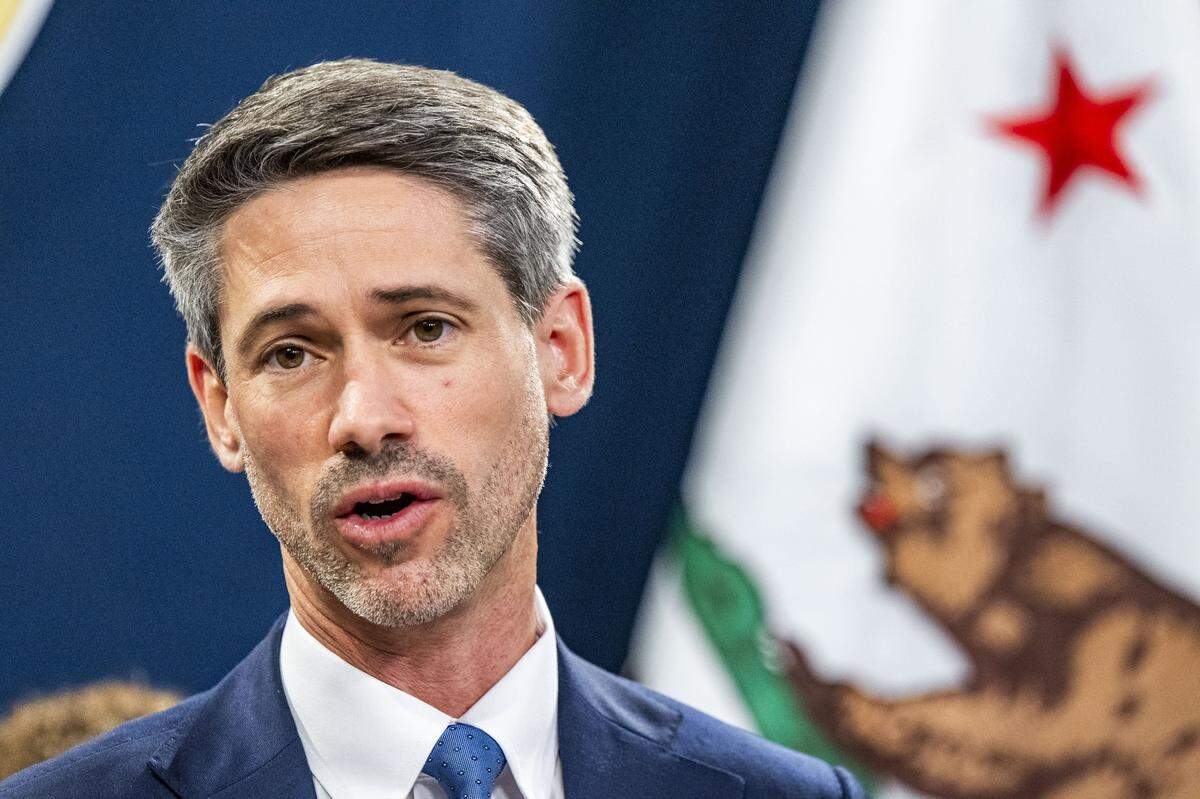
Mahan waited until late January to join the governor’s race, saying he felt compelled to join because the candidates in the field weren’t offering anything new or different. He’s targeted his message at “wrong track” voters—Californians who believe the state is headed in the wrong direction—with sweeping plans to tighten state spending, root out fraud, limit new taxes and track state programs’ effectiveness.
Katie Porter (D) - Porter is an attorney who developed a specialty in foreclosures. She flipped a GOP-held House of Representatives seat in Orange County in 2018 and held the seat for three terms. She went viral on social media by grilling bank executives and Trump administration officials in hearings across her three terms, often aided by her trademark white board. Porter came up short in her 2024 campaign to replace former Sen. Dianne Feinstein and launched her gubernatorial campaign last year. Allegations surrounding Porter’s sometimes combative temperament resurfaced last year, when she walked out of a CBS California interview and POLTICO published a video of her shouting at an aide in 2021.
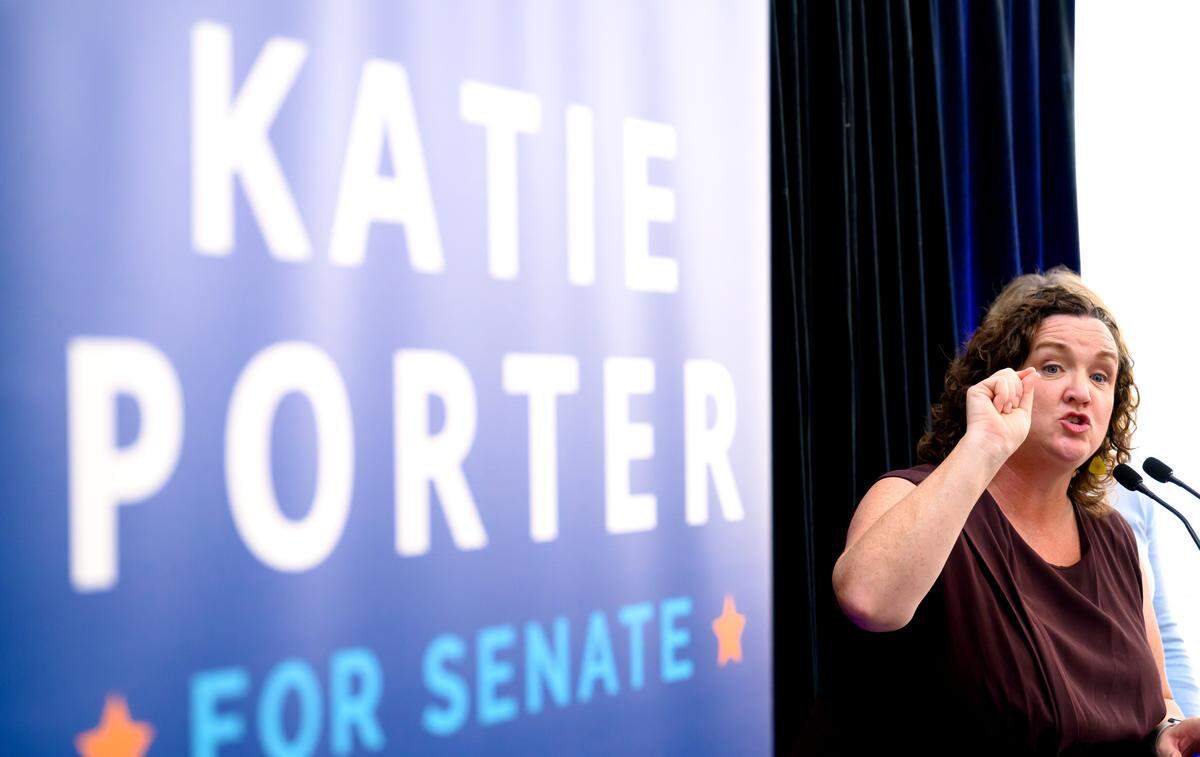
Porter has anchored her platform on addressing voters’ affordability concerns. She’s called for eliminating state income taxes for families making under $100,000 and passing free in-state college tuition for students who transfer from community colleges. The attorney says she would pay for both measures by hiking certain corporate taxes. Porter’s campaign has leaned into the fact that she’s now the only woman in the race, and frequently leans into her image as a minivan-driving working mom.
Tom Steyer (D) - Steyer started a San Francisco-based hedge fund, Farallon Capital, in 1986 and was a billionaire by the time he retired in 2012. He became more politically active in the 2000s, campaigning against a ballot measure that would have curtailed greenhouse gas emission standards and in favor of ones that closed a corporate tax loophole and extended a tobacco tax. He spent hundreds of millions funding Democrats and their causes, from Barack Obama’s presidential campaigns to last year’s Proposition 50 aimed at mid-decade redistricting. Steyer ran a short-lived 2020 presidential campaign focused on climate change. Steyer’s critics have attacked him for previously investing in fossil fuels and for-profit prisons.
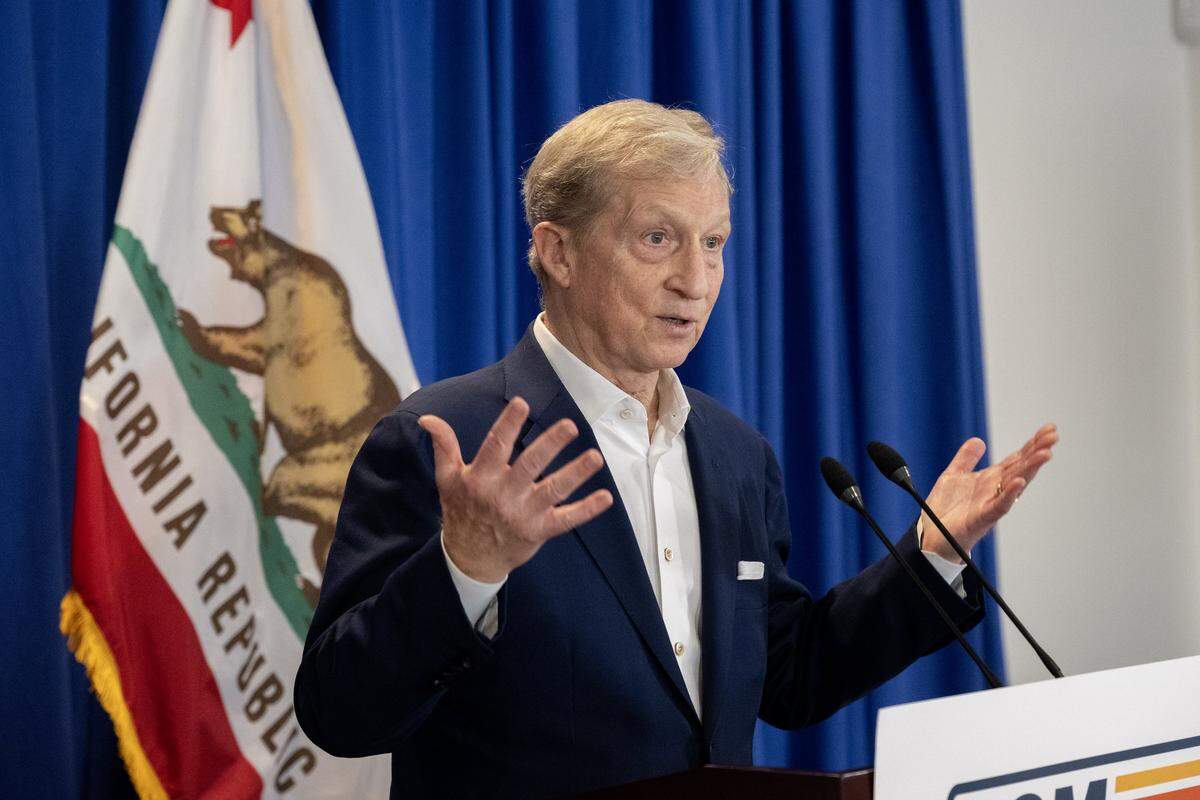
Steyer’s gubernatorial run centers on a vision of what he calls “shared prosperity,” a blueprint that includes single-payer healthcare, trimming electricity bills by 25% and building one million new homes in the state. He says he’ll pay for some of the policies by removing a Proposition 13 tax break for corporate and industrial properties. He’s also aimed to turned his wealth into an asset, saying its proof that he can’t be bought by special interests.
Tony Thurmond (D) - Thurmond’s biography stands out in the race. After his mother died when he was six years old, Thurmond and his brother were raised by cousins they’d never met before. Living off of food stamps and school lunches, Thurmond excelled in school, attending Temple University and serving as class president. He went on to a career in social work focused on at-risk youth before being elected to the Assembly in 2014, and then California State Superintendent of Public instruction in 2018.
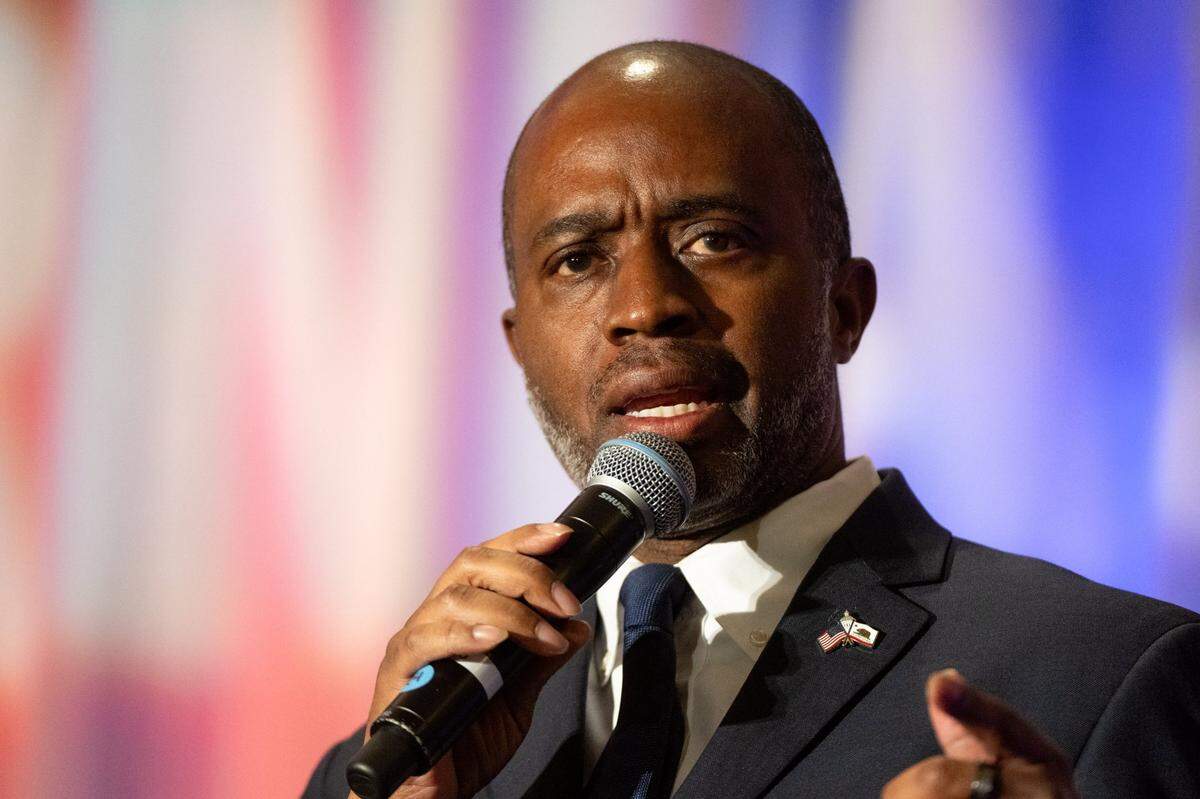
Thurmond has emphasized that he’s the only candidate in the race that identifies as both Black and Latino, and says that “empowering those without a voice has always been my north star.” He’s also the only Democrat to enthusiastically embrace a proposed billionaire wealth tax ballot measure that’s currently gathering signatures. Thurmond has proposed using surplus land owned by school districts to build housing and says he supports stricter regulations of artificial intelligence.
Antonio Villaraigosa (D) - Villaraigosa has been a staple of California politics since his 1994 election to the Assembly. In 1998, the Los Angeles native was selected by his fellow Democrats as speaker before leaving the chamber in 2000. As mayor of LA from 2005 to 2013, Villaraigosa championed the hiring of hundreds of new police officers, attempted to take control of city schools, and pushed the development of a new light rail line. He was criticized for not spending enough time in the city and for his acceptance of unreported concert and sports tickets. Villaraigosa ran for governor in 2018 but lost to Newsom.
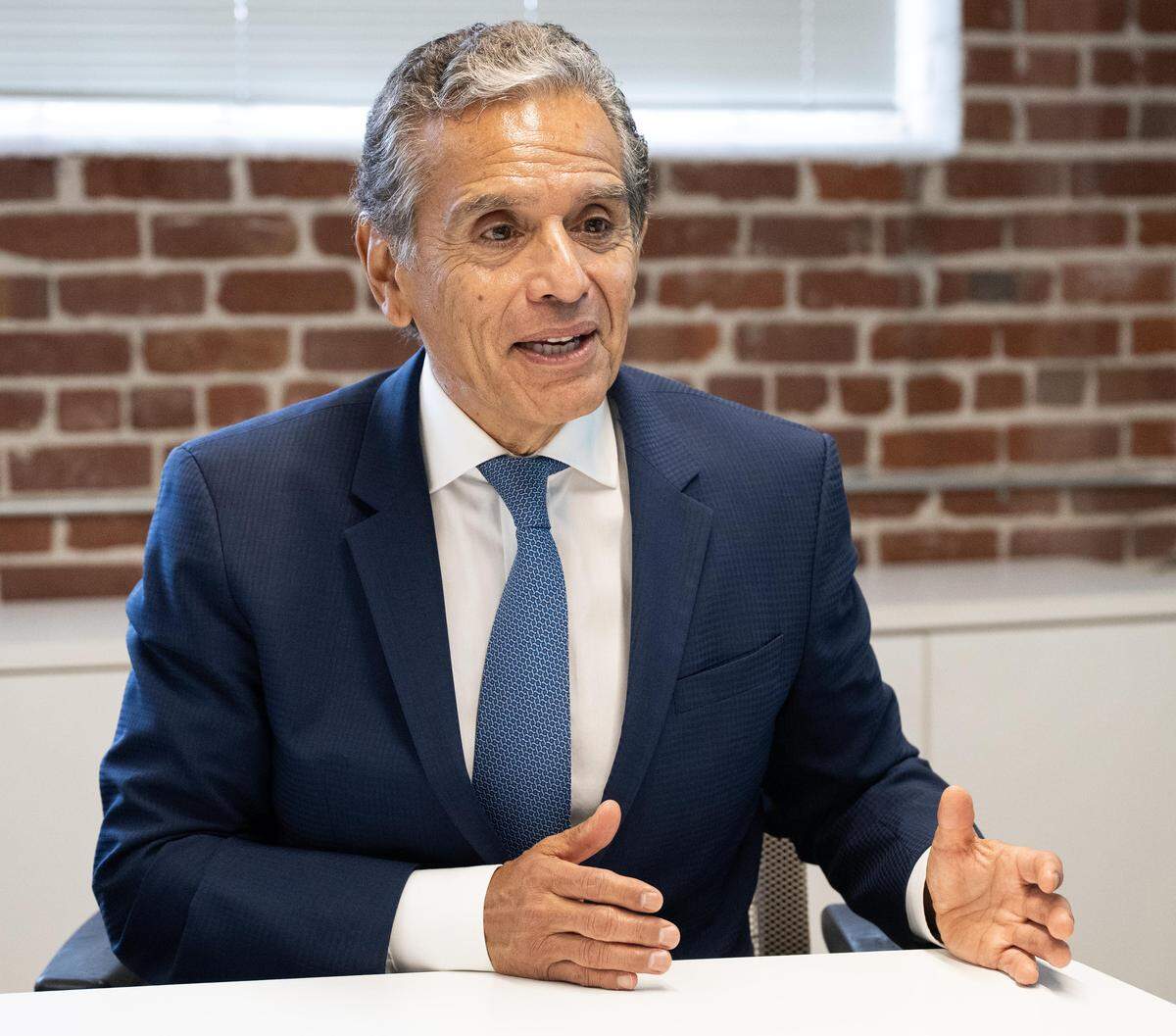
In this campaign, Villaraigosa is pitching himself as a pragmatist who will make “the hard choices that others have avoided,” as he put it in one ad. He’s broken with some more left-leaning Democrats in supporting nuclear, natural gas, and oil development in addition to renewable energy to help drive down costs for consumers. The former mayor argues the state can play a role in boosting housing production by cutting red tape and overhauling the California Environmental Quality Act. He also supports opening in-state oil refineries as a way to drive down prices at the pump, arguing that the state is importing oil from places with weaker environmental standards.
Leo Zacky (R) - Zacky is an entrepreneur and former poultry-industry lobbyist who comes from the family behind Zacky Farms, a longtime California chicken producer that collapsed in 2019. On his campaign website, Zacky casts that failure as a cautionary tale about Sacramento overreach. Zacky is a perennial candidate; he previously ran in the 2022 gubernatorial primary and also appeared on the 2021 recall ballot.
In this campaign, Zacky is pitching himself as a businessman-outsider focused on rolling back what he calls excessive regulations, reducing taxes, and cleaning up waste in state government. His platform emphasizes making California more affordable and business-friendly, with recurring themes around loosening regulatory burdens and environmental rules he says stifle growth.
Who is funding the race?
No one in the race can compete with Steyer, who has now plowed more than $133 million of his own money into his largely-self funded campaign. That’s almost ten times the amount raised by Mahan, the second-highest fundraiser in the race.
Steyer’s spending and populist rhetoric caught the attention of business interests and utilities, who’ve spent nearly $14 million since late March on a push to block him from winning the primary. Major funders of that group include PG&E and the California Chamber of Commerce.
Mahan’s campaign has drawn support from Silicon Valley businessmen like Y Combinator CEO Garry Tan, Google co-founder Sergey Brin and venture capitalist Michael Moritz.
The other candidates in the race have remained viable despite smaller fundraising hauls, fueled by a mix of small donors, unions and business groups.
Some of the biggest spending in the governor’s race happens with committees that support candidates but are not connected to them. Unlike candidates, those committees can accept unlimited contributions.
The largest one backs Mahan and brought in $22.7 million through April 18, with million dollar donations from LinkedIn founder Reed Hastings, Moritz and Brin.
Who else is supporting the candidates?
Trump endorsed Hilton earlier this month. The move may make it easier for Hilton to win over Republican voters ahead of the primary, but harder to gain traction in a general election given Trump’s unpopularity.
Unions can help boost candidates with funding and by mobilizing their members. This year, many waited until late in the primary to make their picks. Before dropping out, Swalwell won endorsements from two of the largest unions: the SEIU and California Teachers Association. Both withdrew that backing; the CTA endorsed Steyer earlier this month.
The California Federation of Labor’s 1,300 unions deadlocked on the field and ended up endorsing four candidates: Porter, Steyer, Swalwell and Villaraigosa. They later withdrew support for Swalwell.
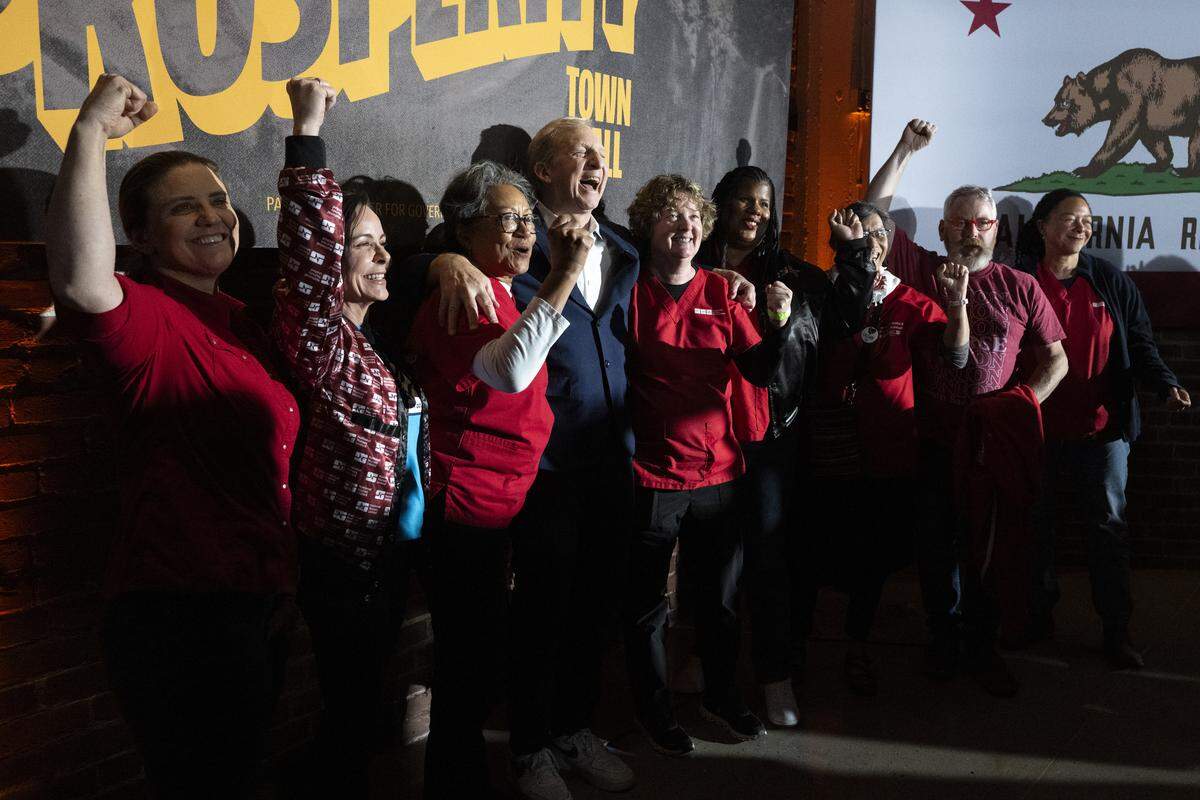
Steyer has won backing from the United Domestic Workers, the California Nurses Association and California Federation of Teachers. Porter won support last year from the National Union of Healthcare Workers, United Auto Workers Region 6 and the International Brotherhood of Teamsters (California).
Villaraigosa is backed by the Building and Construction Trades Council of California and the Peace Officers Research Association of California, the largest law enforcement organization in the state.
Other candidates have won backing from smaller unions; the California Faculty Association, for example, endorsed both Becerra and Thurmond.
None of the candidates captured a majority of California Democratic Party delegates needed to win the party endorsement in February. California Republicans also deadlocked on Hilton and Bianco at their convention earlier this month.
This story was originally published April 26, 2026 at 6:00 AM.