
Who should pay for pension mistakes? New California law puts employers on the hook
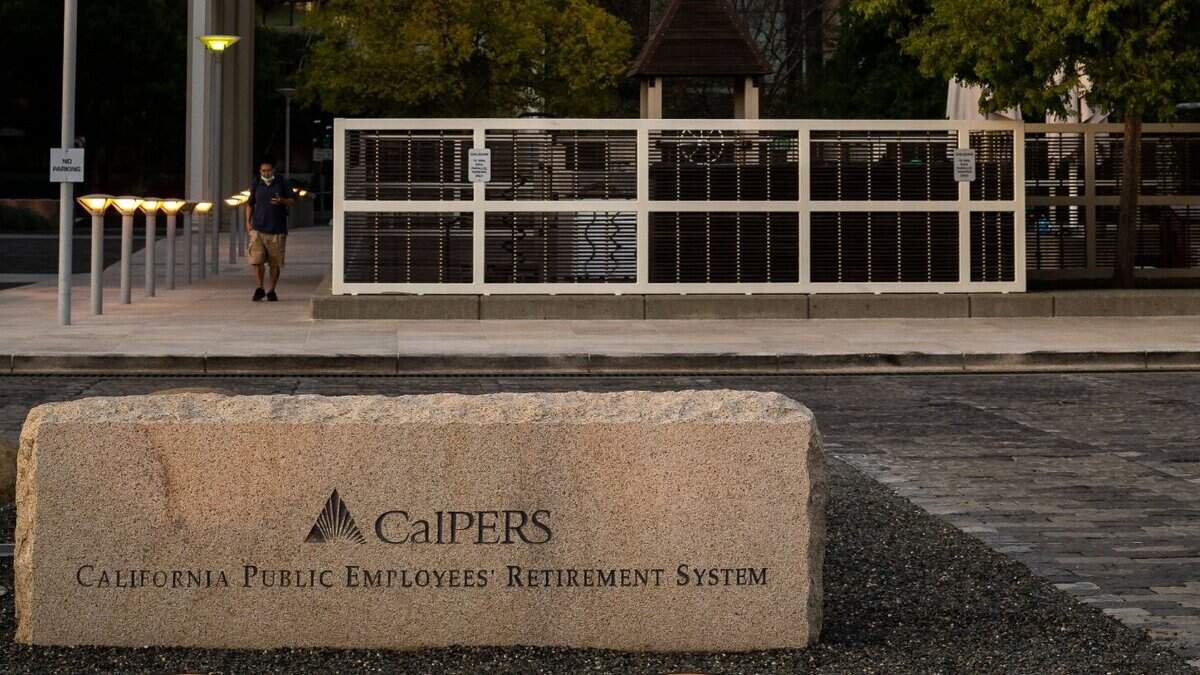
California state retirees can breathe a little easier on Jan. 1, as a new law goes into effect directing the California Public Employees Retirement System to go after employers — not retirees — in cases where the pension system discovers errors in pension calculations.
The law ends a practice in which CalPERS and and government employers like city governments required retirees to repay miscalculated pensions while reducing their retirement income going forward.
Instead, the new law puts government employers on the hook for those mistakes.
The law “protects our public servants such as retired firefighters and police officers from unfair benefit cuts when — through no fault of their own — mistakes were previously made in determining their retirement benefits,” Sen. Connie Leyva, D-Chino, said about her Senate Bill 278 earlier this year.
“This measure gives retirees the peace of mind that they will not be forced to pay money back because of accounting or reporting errors. Oftentimes relying on fixed incomes, these retirees should not be forced to take unexpected and even devastating cuts to their benefits, which can hurt them and their families,” she continued.
In campaigning for the law, Leyva’s office cited a Davis firefighter who retired in 2012 after requesting an official retirement estimate from CalPERS. Then, nearly five years after the firefighter retired, CalPERS sought to collect an overpayment to the firefighter, including demanding that the firefighter repay a lump sum of $42,000.
“This situation occurred because her employer had incorrectly reported her pension compensation. This is one of several examples that demonstrate how important SB 278 will be when fully implemented,” Leyva’s office said in a statement.
The law contains a provision that states that the employer and the recognized employee organization cannot knowingly agree to illegal compensation, said CalPERS spokeswoman Megan White. In that event, SB 278 does not apply.
White said that the law also doesn’t apply to situations involving employee deceit, where employees are not only on the hook for the overpayment but also face up to 10 years in prison for instances of fraud.
“Another piece to note is that it is not for common employer errors: fat finger a pay rate, report a monthly pay rate as an hourly, miscalculate the actual amount of a reportable item, report as a lump sum rather than an earned,” White said in an email. “CalPERS has parameters to aide us in catching these kind of errors but if we aren’t alerted and it slips through to retirement and we find it later, the member would be responsible for the full amount of the overpayment (up to the statute of limitations).”
Leyva’s law was supported by organizations including California Professional Firefighters, the California Labor Federation, AFL-CIO.
The bill was opposed by several groups, including the California Special Districts Association, the League of California Cities and the California State Association of Counties, who said in a statement that while it is unfortunate that CalPERS must collect misapplied benefits from retirees, it is necessary.
“Although public agencies may feel morally or ethically compelled to do so, public agencies simply cannot continue to make payments directly to a retiree for an unlawful benefit,” the organizations said in a statement.
This story was originally published December 30, 2021 at 5:00 AM.