
A California state worker tripled his income with OT during COVID-19. Dozens cleared $100K
In the depths of the pandemic, California’s Employment Development Department kept expanding its hours to process an unprecedented flood of unemployment insurance claims.
And Ben De La Torre kept volunteering for more shifts.
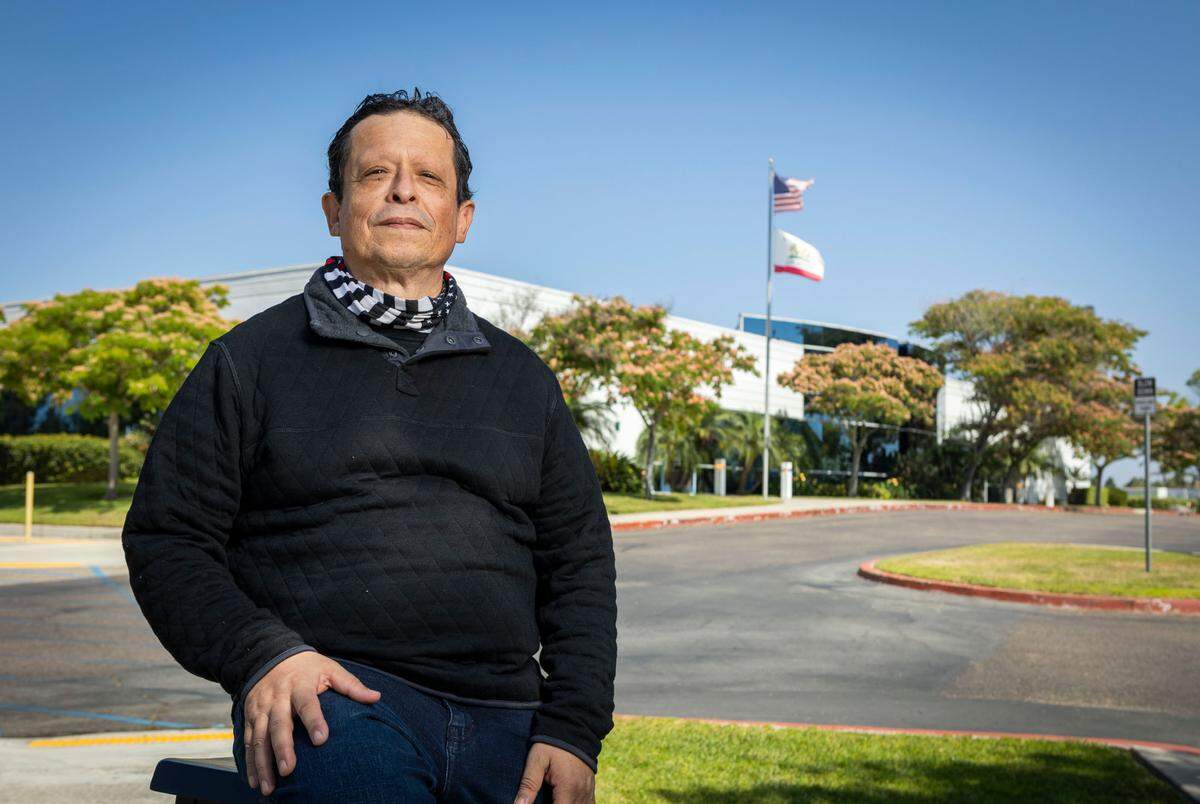
When the department was open up to 12 hours per day in 2021, De La Torre, an employment programs representative, averaged 400 hours of work per month, according to figures provided by the state. The 14-year veteran processed claims, answered phones and evaluated the challenges some employers file over benefits claimed by former workers.
The 100-hour weeks, which included weekends, earned him $120,000 in overtime pay on top of his $62,000 salary, nearly tripling his earnings for the year, according to an analysis of state overtime pay by The Sacramento Bee.
“Every spot they’ll have available, I’ll volunteer,” said De La Torre, 56. “It’s hard, but you need people with this expertise and knowledge.”
He was one of 63 employees at the department who earned more than $100,000 in overtime last year in addition to their regular salaries, which ranged from $55,000 to about $75,000.
In total, the department paid employees about $87 million for overtime in 2021, as historic sums of federal jobless aid became available. It was a huge increase from 2019, when the department spent about $5 million for extra work, according to The Bee’s analysis.
Department spokesman Gareth Lacy said the department’s overtime spending was warranted and will remain a part of how it deals with emergencies.
“As with all emergency responders — fire fighters, police officers, surgeons, and many others — overtime is a key part of helping people during crisis,” Lacy said in an email. “During this emergency it helped us serve customers 12 hours a day 7 days a week, and continue processing claims.”
The spending underscores a fundamental challenge for government agencies like EDD that are budgeted and staffed to respond to normal levels of demand. When unemployment spikes, the department struggles to hire and train new staff.
It’s not easy to bring them up to speed — the employee manual is north of 800 pages.
A backlog at EDD
During the Great Recession, the last time the Employment Development Department dealt with a large spike in unemployment filings, it hired about 1,000 new employees to help with the surge, according to a recession planning report the department submitted to the California State Legislature this spring.
But in the years that followed, the department didn’t replace employees who left, and the unemployment insurance branch was downsized by about 1,950 employees, according to the report. About 85% of them were employment programs representatives like De La Torre.
Then the pandemic arrived in 2020, and the unemployment rate rose from 3.9% in February to 16.4% in April. Benefit claims surged.
In March and April of that year, the EDD paid over three million claims in eight weeks — about what it paid annually at the height of the Great Recession, Lacy said in an email.
De La Torre said employees watched caseloads triple and quadruple. “I was like, what’s going on?” he said.
While about 80% of claimants received benefits within a week of filing, many waited months. A backlog developed, compounded by the new federal programs, including relief for contractors such as Uber and Lyft drivers.
“I’ve seen it all, from people who have their little business walking dogs around the neighborhood to people who own coffee shops and had to close,” De La Torre said. “All those people were applying, all at once, and we had not ever dealt with that type of claims.”
By September 2020, the claims backlog had grown to 1.6 million. The department had hired 1,900 new staff, sent 500 existing employees to call centers and paid a contractor for another 500 people to answer calls. But the backlog was still growing by 10,000 claims per day, according to a report from a strike team created by Gov. Gavin Newsom.
Among the strike force findings was that EDD was not making the best use of its most experienced employees. Veteran staff who could process the most complicated claims were instead training new hires and performing other tasks, the report said.
“EDD should be commended for moving quickly in the face of a crisis; however, these actions have had unintended consequences, and the plan needs realignment,” report authors wrote at the time.
The report suggested the department should not allow new hires to work overtime for their first three months, stating “those hours only create additional work for experienced employees.” Lacy said the department followed the strike team’s recommendations and those from the California State Auditor.
By January 2021, the EDD had quadrupled its initial call center staff to more than 5,600 people, but many of the new employees still couldn’t resolve callers’ problems, according to a California State Auditor’s report from that month.
The department’s recession plan moving forward calls for authorizing overtime when unemployment reaches 6%. It calls for cross-training more employees and identifying in advance those at other departments who could help in a crisis. And it suggests moving employment program representatives to a higher-paid state classification to improve recruitment and retention.
Customer service
De La Torre said that for him, working the long hours hasn’t been about the money.
He attended San Diego State University, where he had a job connecting people to work. The experience led him to EDD: “Basically just the feeling you get out of it when you help someone ... the bottom line is assisting the people who need it the most,” he said.
“It’s about the service we can provide … I feel like I have the skills to assist people,” he said.
Callers who got through to him after days of trying during the pandemic were often desperate and upset.
“We took a lot of punishment, a lot from frustrated people, and I don’t blame them,” he said.
Having been laid off before himself, he said he understood.
“We’ve got to let them vent,” he said. “That’s where our customer service skills come in. Because if we lose that call it’s going to be very hard for them to get through again.”
The backlog ebbed and flowed throughout the year, finally dropping dramatically at the end of 2021, according to an EDD data dashboard.
He said the department is still catching up on adjudicating claims employers filed contesting former employees’ benefits, but he said they are almost caught up.
De La Torre worked many of his extra hours from home, giving up the 10-mile morning and evening bike rides he said he had cherished.
He’s also accumulated a lot of vacation. He said he looks forward to using some of it to ride his Harley Davidson motorcycle again.
This story was originally published July 6, 2022 at 9:49 AM.