Federal workers in California threatened with firings during government shutdown
Looming beyond the impending government shutdown is the Trump administration’s threat to use the stalled budget negotiations as an excuse to fire federal employees.
In California, the impacts of the shutdown and potential firings will be felt by the public that relies on federal programs such as Social Security and the more than 150,000 federal employees who live in the Golden State.
Not only will the shutdown put financial strain on federal employees, such as firefighters and law enforcement officers, who will have to work without pay, but it will also lead to disruptions to critical government services, said Max Alonzo, national secretary-treasurer for the National Federation of Federal Employees.
“It’s a very bad thing for California,” Alonzo said. “It’s probably one of the most negatively affected states in the country.”
One group of federal employees that the union expects to be particularly hard hit in California is wildland firefighters who help protect land in the Golden State, nearly half of which is owned by the federal government. Alonzo said wildland firefighters are some of the lowest paid federal employees and, therefore, most likely to be living paycheck to paycheck. They’re going to have to rely on other resources while they work without pay, he said.
Additionally, there will be lasting damage to public land in California without federal workers present to protect natural resources in the national parks, he said.
In a Tuesday letter, the Congressional Budget Office estimated that in the event of a shutdown about 750,000 employees could be furloughed on any given day. The total cost of compensating those employees would be roughly $400 million each day, the office estimated.
During previous shutdowns, the federal budget office compiled information about the government’s contingency plans. Now, those individual agencies are expected to produce those detailed plans. Typically, shutdowns have resulted in temporary furloughs for a large number of federal workers who later receive back pay after Congress passes a new budget bill.
But last week, the Office of Management and Budget issued a memo to agencies that directed federal officials to put together reduction-in-force plans that allow for the firing of employees who work for programs that are unfunded and “not consistent with the President’s priorities.”
That directive is being challenged in court by labor groups representing federal workers. Neither the White House nor OMB responded to a request for comment.
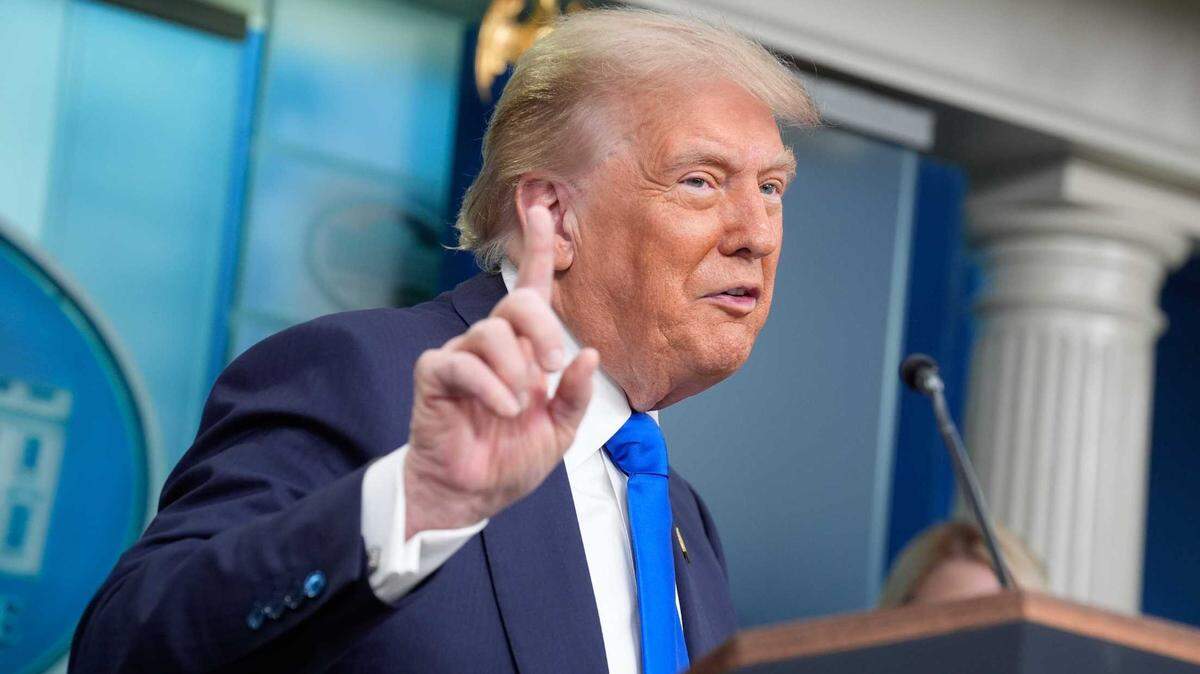
When asked why it was necessary to fire more federal employees after the administration made efforts earlier this year to reduce the federal workforce, Trump said, “When you shut it down you have to do layoffs. We’d be laying off a lot of people that are going to be very affected, and they’re Democrats, they’re going to be Democrats.”
Federal employees in California
California is home to the largest population of federal workers outside the District of Columbia, according to the Office of Personnel Management.
The workers are spread across the state, but Southern California has some of the largest pockets of federal employees, according to estimates from the U.S. Census Bureau’s American Community Survey. Over 16,000 federal workers live in Sacramento-area congressional districts represented by Rep. Ami Bera, D-Sacramento, and Rep. Doris Matsui, D-Sacramento.
Steve Gutierrez, a national union representative for NFFE, said that California employees from a range of departments could be impacted by the mass firing, including the U.S. Forest Service, the Bureau of Land Management and the federal Department of Housing and Urban Development.
Gutierrez said it’s not clear which programs are statutorily required to continue receiving funding despite the shutdown, but he predicted that the majority of federal workers are not exempt from firings, as outlined in the OMB memo.
Gutierrez said members are concerned about losing employment at a time when there is little job growth in the national labor market. The federal union representative implored Congressional leaders to work together to fund the government and prevent mass firings from happening.
“Don’t use federal workers as your pawns,” Gutierrez said. “These people don’t deserve that.”
On Tuesday, the American Federation of Government Employees and the American Federation of State, County and Municipal Employees filed a lawsuit in the U.S. District Court for the Northern District of California challenging the Trump administration’s plan to fire workers those unions represent.
The unions argued that the OMB memo exceeded its authority by directing agencies to fire employees during the shutdown. AFGE National President Everett Kelley said that the contempt the Trump administration is showing to federal public servants, more than a third of whom are military veterans, is appalling.
“Announcing plans to fire potentially tens of thousands of federal employees simply because Congress and the administration are at odds on funding the government past the end of the fiscal year is not only illegal — it’s immoral and unconscionable,” Kelley said in a Tuesday statement.
Rejecting the consolidation of executive power
After the government shuts down just after midnight on Tuesday, federal employee MT Snyder plans to go into work Wednesday morning, set an out-of-office message, cancel upcoming appointments and then leave.
Snyder lives and works in the Bay Area and is a member of the National Labor Relations Board Union, which is made up of workers from that federal agency. Snyder said the shutdown will not only lead to disruptions to critical services Californians rely on, but will also put unnecessary financial pressure on federal employees and their families living in the one of the most expensive states of the county.
“There is an incredible amount of uncertainty not knowing when we can get back to work, when we’re going to get our next paycheck,” Snyder said.
The economic fallout would extend beyond federal employees and their families, Snyder added. Local economies across California would be impacted by the delayed paychecks.
Additionally, without NLRB employees at their desks, the federal government won’t be able to enforce federal labor laws, which leaves American workers unprotected, Snyder said.
Beyond the direct impacts of the shutdown on federal programs, the recent effort to use the budget fight as an excuse to fire federal workers is part of a broader pattern by Trump to consolidate power, Snyder said. While a government shutdown would be bad for federal workers and the public, Snyder said, Congress needs to use this budget fight to prevent the further centralization of Trump’s power.
That was the central message of a letter sent to Congressional leaders by the Federal Unionists Network, a group of rank-and-file federal workers.
“A government shutdown is never Plan A. Federal workers and the communities we serve will face severe hardship. But federal workers will willingly forego paychecks in the hopes of preserving the programs we have devoted our lives to administering,” the network wrote.
This story was originally published September 30, 2025 at 6:37 PM.