State workers returning to the office. Is Sacramento’s commute about to change?
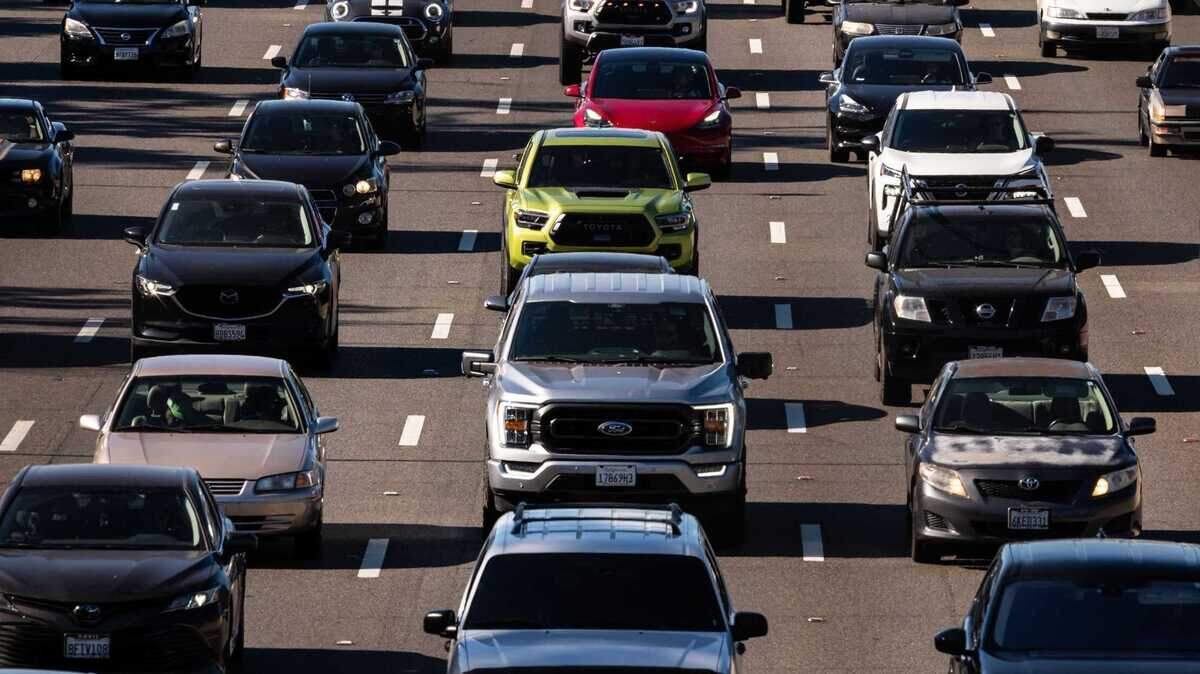
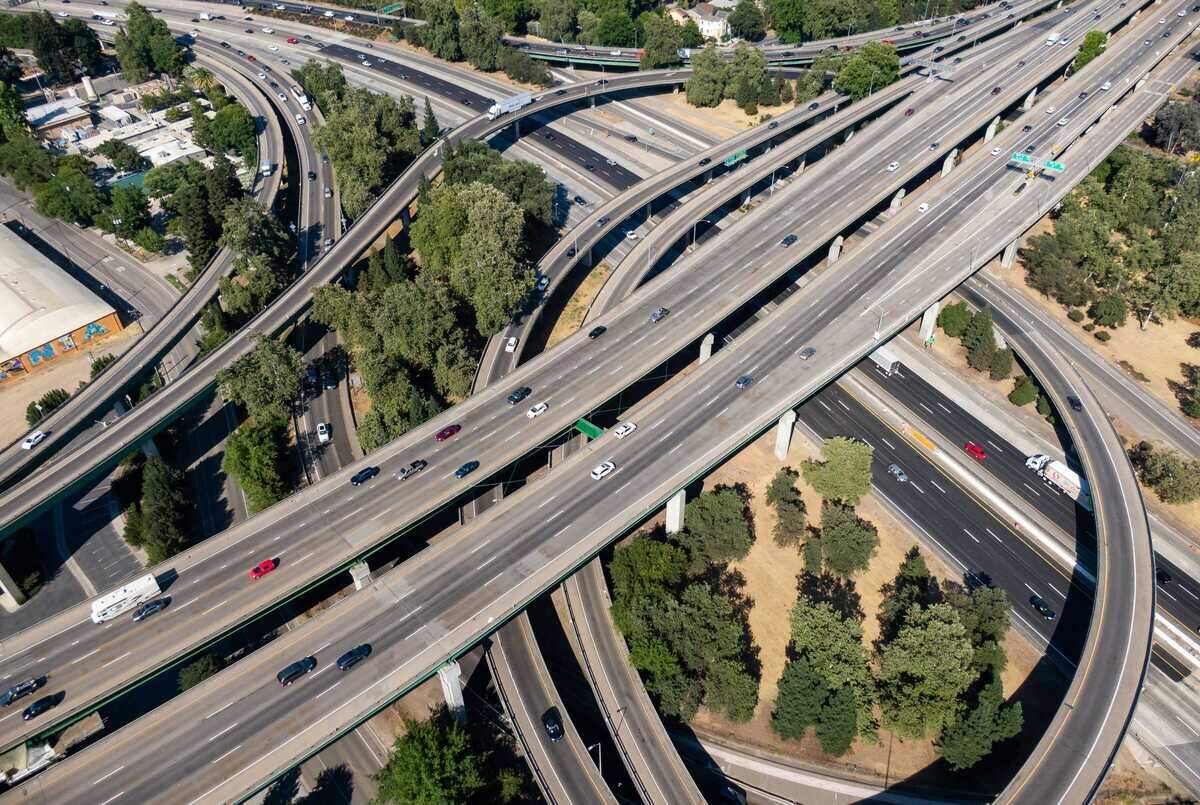
Thousands of state workers are expected to begin commuting to Sacramento offices four days a week starting Wednesday, a shift transportation experts say will likely increase traffic, boost transit ridership and force many workers to rethink how they get to work.
Some employees are turning to buses and trains — where transit agencies say they have room for more riders — along with vanpools and bicycles to avoid rising parking costs and longer freeway commutes.
“I am trying to not sit in traffic, not pay for parking every day,” said California State Parks worker Robyn Krock, who has been driving to work but recently purchased an e-bike for her commute.
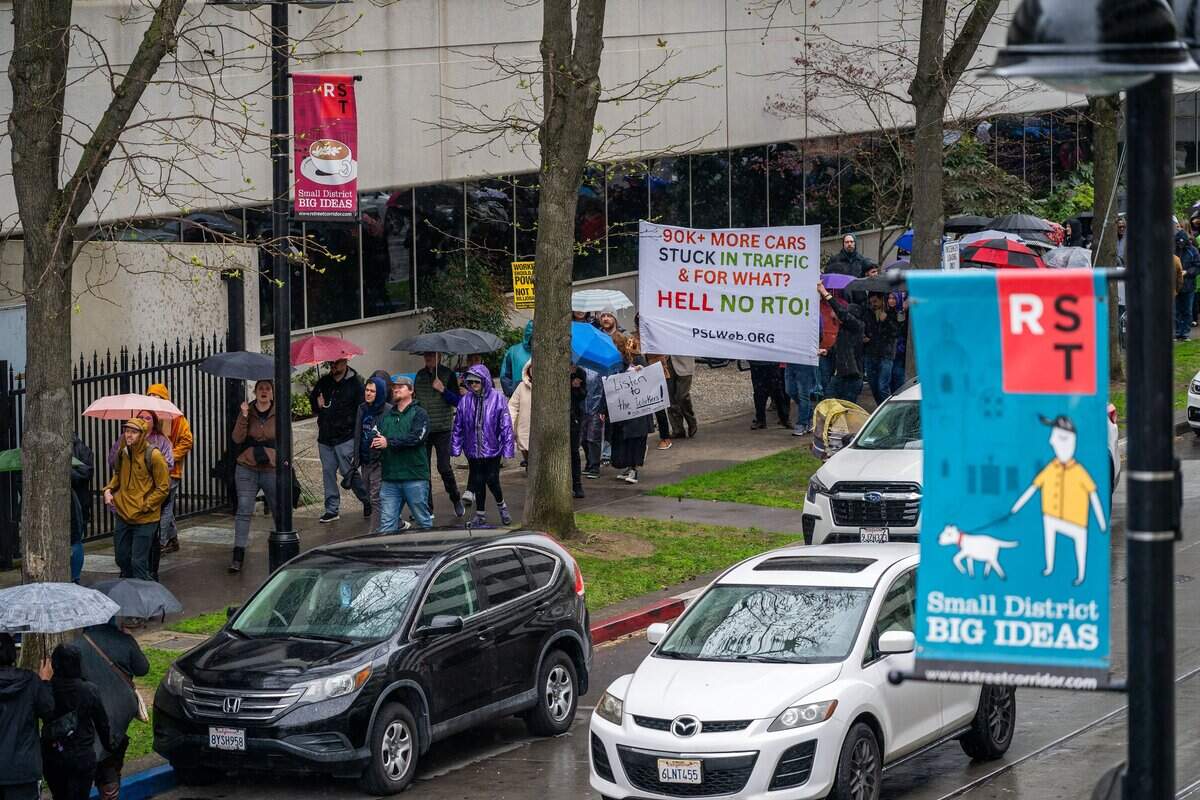
For many state workers, the return-to-office order means doubling their weekly commute after nearly six years of hybrid work. The additional time and expense are among the reasons state workers have protested the change.
The switch from the current two-day requirement to four comes after California Gov. Gavin Newsom issued an executive order in March 2025. The order affects about 95,000 workers statewide, with about 40% of the civil service workforce located in the capital region, though it’s unclear how many are eligible for telework.
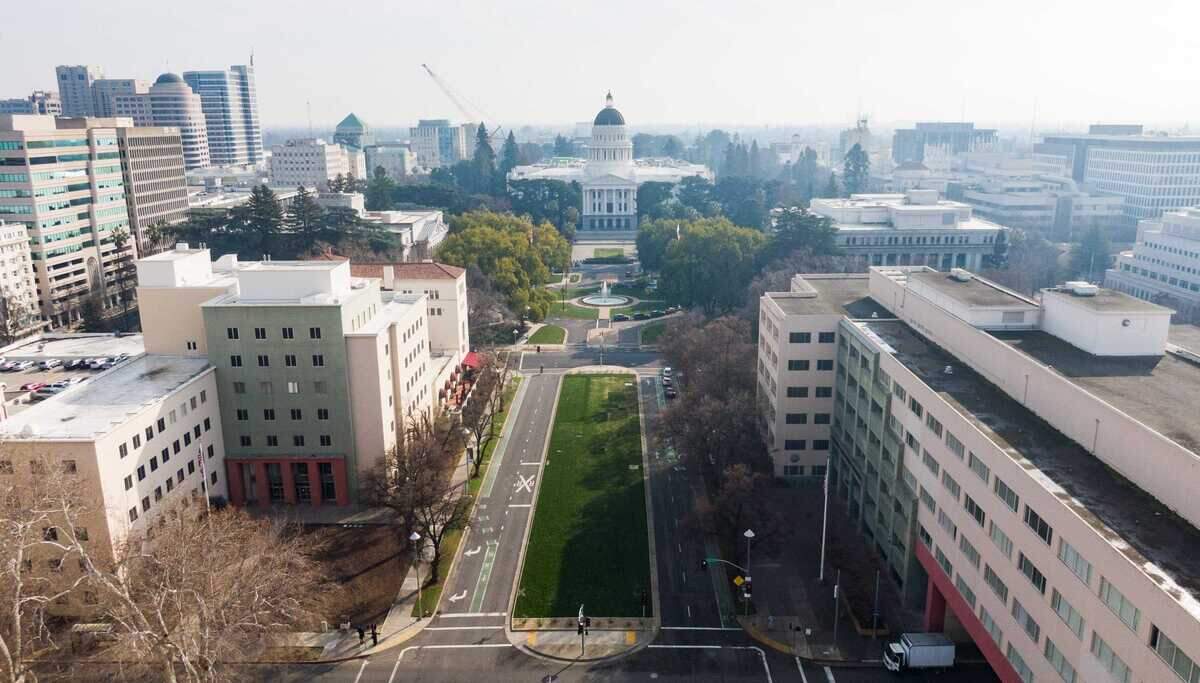
While UC Davis environmental science and policy professor Susan Handy expects more vehicles on Sacramento roads and more riders using public transportation, she said the full effects on congestion and transit may take months to emerge as commuters adjust their routines.
How commuting could change
Handy said while commuters are doubling their required in-office days, she does not expect driving to increase by the same amount.
“I would expect a net increase in driving,” said Handy, who studies travel behavior, “but not a doubling.”
The reasons are complicated.
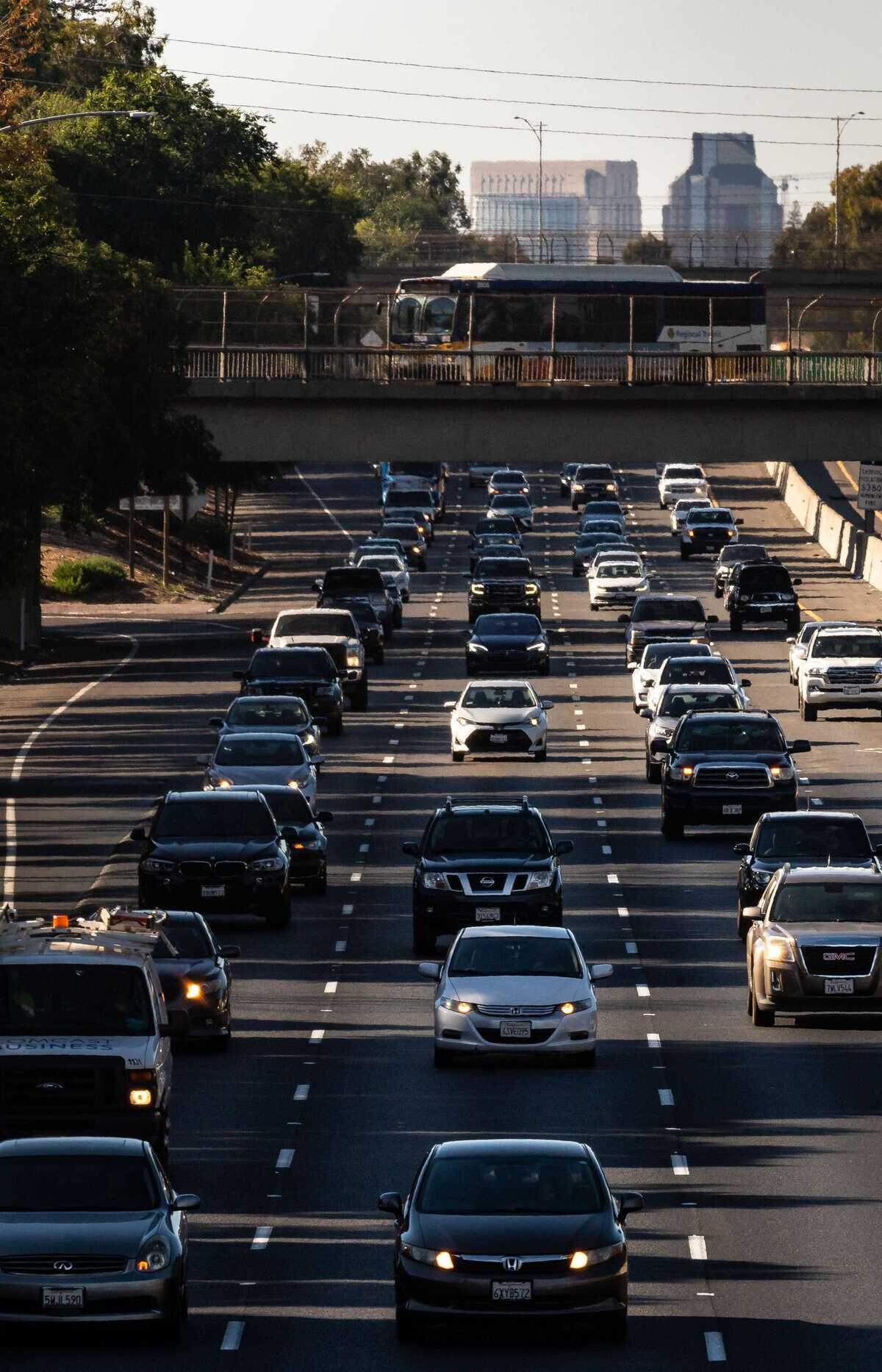
Congestion is difficult to predict, especially following the COVID-19 pandemic, when driving behavior shifted and peak traffic hours spread out instead of sticking to the more uniform 9-to-5 workday.
“We know that when people work from home and save on their commute, they often end up driving more for other purposes,” Handy said, including going to the gym instead of stopping there during a commute.
This state worker schedule change will likely not double the amount of miles people travel, but it could condense travel into more specific hours. That is, Handy said, until other residents with more flexible schedules shift their travel behaviors in response.
Handy and multiple transit agencies said they also expect an increase in transit ridership due to the return-to-office order.
Many public transit systems suffered as remote work increased and ridership declined. North Natomas Jibe previously operated a “very popular” commuter bus that was first suspended and then discontinued in 2020, Jibe program manager Michelle Reynolds said.
Local agencies, such as Sacramento Regional Transit, say their ridership is rebounding and they have capacity for additional riders.
However, some state workers currently using public transit have questions about capacity, especially as declining state and federal transit funding puts a strain on transit agencies.
Cortney Copeland, a Placer County resident, takes the county’s commuter bus to get to her government job in Sacramento. Though state workers are currently on a two-day alternating schedule, some days every seat is already full.
“If everybody’s back four days a week, I don’t think we’re all going to fit on the bus,” said Copeland, whose department will be switching schedules in about two months.
Copeland recognizes that she may have to adapt.
She has considered dropping her volunteer activities and weekly horseback riding lesson. She has also looked at moving closer to the city, which would cost more.
State Parks employee Krock said she will likely use her newly purchased e-bike about three times a week and drive her car the fourth day. She previously drove every day.
Transit systems say they’re ready
Transportation providers say they’re ready for more state workers.
RT’s light rail service, as of last week, was operating at about 75% of pre-pandemic ridership levels, “so we have capacity to carry more passengers, especially on the lines most used by state employees,” RT spokesperson Katie Wiseman said. On a weekday, about 25,000 people board the Blue and Gold lines.
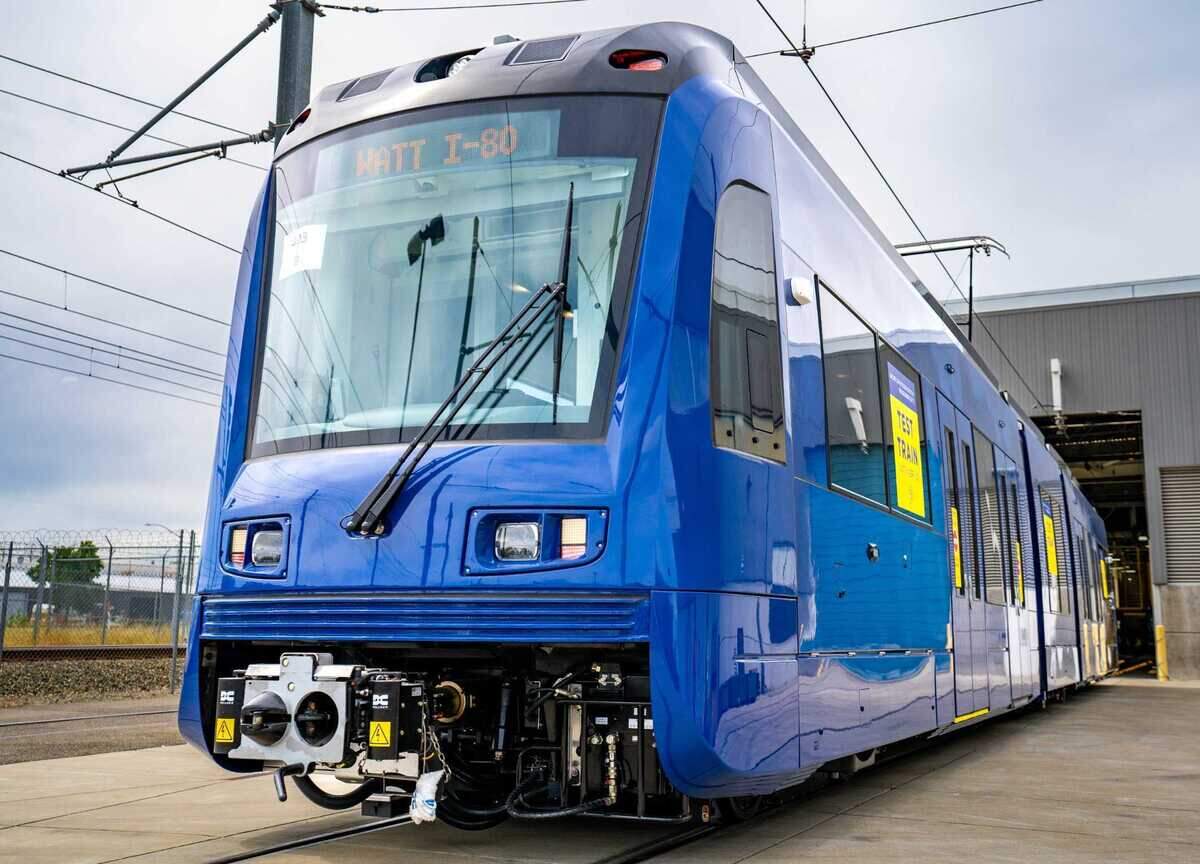
The light rail’s Green Line will reopen after construction of the new light rail station at Seventh Street and Railyards Boulevard is completed, which is expected later this summer.
Bus ridership is at 105% of pre-pandemic levels, with about 38,000 rides each day, Wiseman said.
The agency is not changing routes in anticipation of more state workers. However, it adjusts service quarterly and can add vehicles and shift bus routes and schedules.
Ridership on Amtrak’s Capitol Corridor, which provides train service between Auburn and San Jose, was more than 900,000 between October and May, 23% higher than the same period a year ago, according to spokesperson Vernaé Graham.
However, Managing Director Rob Padgette said he is confident state workers will fit aboard. He also said the existing bike storage and parking should be enough.
More Capitol Corridor riders are anticipated in the fall, after children go back to school and, potentially, after commuters “find themselves stuck in traffic for 45 minutes,” perhaps as a train zips past, Padgette said.
The vanpooling program, Commute with Enterprise, has already seen a spike in interest in the months leading up to the return-to-office order.
In May and June, 75 commuters were added to vanpools, according to Enterprise Group Commute Director Maryam Amiri. More than 100 within the capital region have expressed interest but have not yet been connected to a group.
Eligible state workers using these transit options can receive the mass transit subsidy, which covers up to $340 a month in transit costs, according to CalHR.
Some services, such as RT, are completely covered by the subsidy. Others, such as vanpooling and Capitol Corridor, vary in cost depending on the length of the commute.
North Natomas Jibe also provides a $600 vanpool subsidy per vehicle for eligible applicants.
The state also provides a $20 per month taxable subsidy for workers who commute using a bike for at least half of work days each month. The sign-up process for this program can be “cumbersome,” said Gabi Iannarelli, membership development director for the 50 Corridor Transportation Management Association.
Those still figuring out their route can download the NorCal Go app to explore commute options, Iannarelli said.
Despite the expected increase, agencies said they do not anticipate capacity problems this week or next, given the Friday observance of the Fourth of July.
Parking could tighten
For many workers, one of the biggest adjustments will be figuring out how to beat the rush and where to park.
The state has more than 20 parking facilities for its Sacramento employees, but they are operated through a lottery system and waitlist, according to the Department of General Services, the agency that serves as the state’s business manager.
Krock said she knows people who have worked for the state for 15 years and have never been chosen through the lottery. She instead uses a $10-a-day parking garage, which she said is the cheapest she knows of in the area.
The state recently opened three parking lots, DGS spokesperson Monica Hassan said in an email, at 450 N St. and at the new May Lee State Office Complex at 651 Bannon St. in the River District, right next to the new Seventh and Railyards station.
On-street parking costs $3, $4.50 or $6 per hour downtown.
The city manages nine downtown garages. In July 2025, monthly parking rates at the Old Sacramento, Memorial and Tower Bridge garages increased by $10, along with higher half-hour rates, according to previous Bee reporting.
Sacramento Mayor Kevin McCarty said during a recent interview that he is discussing ways to ease the transition with DGS. That could include discounts for parking downtown — the city owns five parking garages on the grid — or expanded park-and-ride locations.
“That’s one thing that’s set up under our control, and could potentially be helpful, and help welcome back state workers,” McCarty said.
The long-term effects
Traffic is not the only worry. Greenhouse gas emissions, noise pollution, an increased chance of crashes and increased vehicle miles traveled remain concerns for state workers as more vehicles are anticipated.
The state has a goal of reducing daily per-capita vehicle miles traveled to 17.2 by 2045, according to the California Department of Transportation. That would be a 29% reduction from 2001 levels.
The city of Sacramento has a Vision Zero goal of zero traffic deaths and major injuries by 2027. At least 26 people have died on city streets this year, and more vehicles on the road increase the probability of crashes.
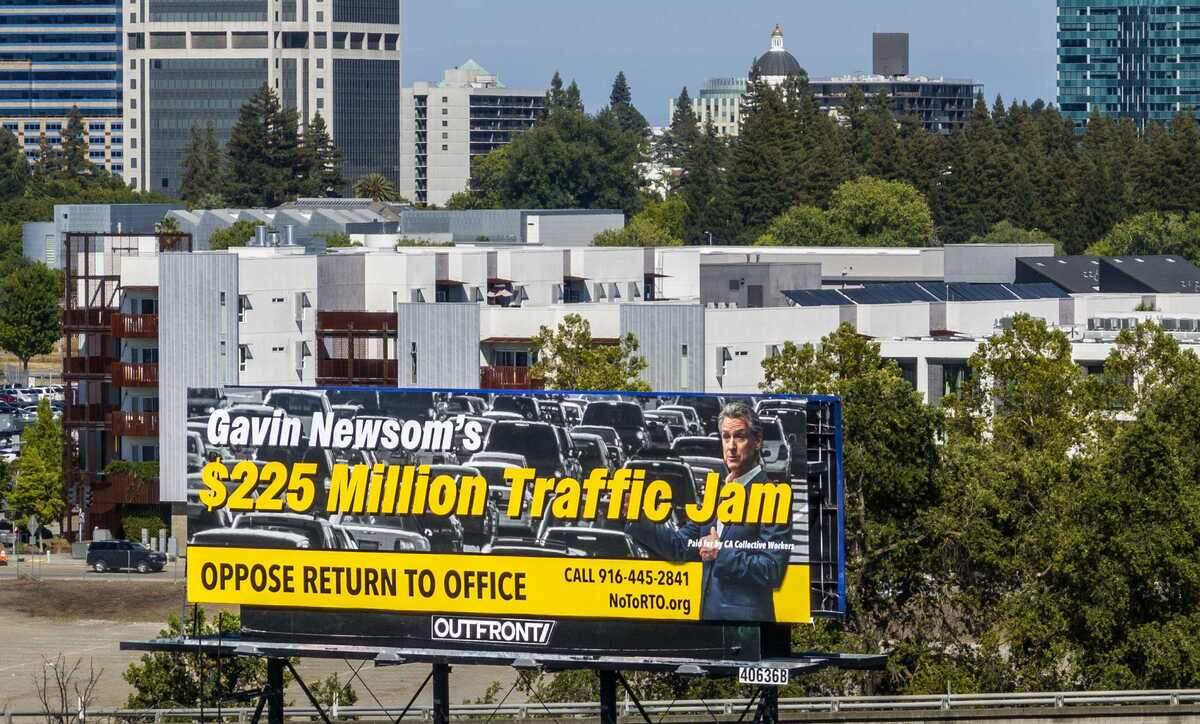
State workers continue to push against the return-to-office order and for telework, which Service Employees International Union Local 1000 President Anica Walls said has helped reduce traffic. Transportation is just one part of a broader conversation in which the union is asking the state to make workplace decisions based on operational needs.
Commuting patterns will not settle immediately, Handy said. Some will adjust their commute times but remain in their vehicles. Others may experiment with transit, bicycles and vanpools before deciding what works best.
Krock, who has worked for the state since 2019, said she believes many people will continue to use their cars. But she is switching to an e-bike for some days of her commute, and believes others may be considering alternatives.
“I’m not the only person who is thinking of other ways to deal with this besides just suddenly paying more for parking and gas,” Krock said.
The Bee’s Annika Merrilees contributed to this story.