
The ‘best meteor shower of the year’ will peak over Sacramento sky. Here’s where to watch
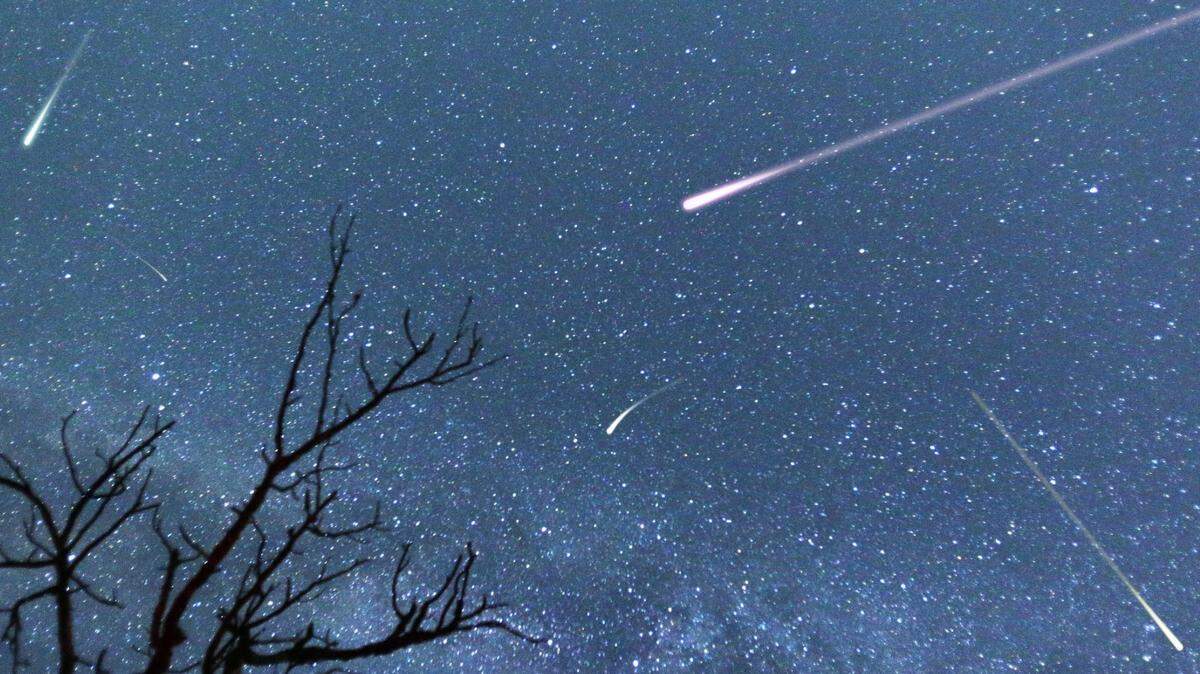
Every year from mid-July to the end of August, a cloud of meteors passes across Earth’s orbit, streaking the Northern Hemisphere’s night sky with bright flying lights. It’s called the Perseid meteor shower, and astronomers say the best time to see it is this weekend.
Here’s how to watch what NASA dubs “the best meteor shower of the year” in Sacramento— and maybe make a wish on a shooting star.
When can you see the Perseid meteor shower?
The best time to catch the meteor shower will be Aug. 11 through Aug. 13, according to Kyle Watters, director of the Sacramento State Planetarium and an astronomy department faculty member.
The meteor shower started in mid-July and extends through the end of August. During this weekend’s peak, 100 meteors will streak the sky every hour, according to NASA.
It’s possible to view meteors as early as 10 p.m., NASA says, but the best time is right before dawn — around 4 a.m.
“We happen to be very lucky this year,” Watters said. “(The Perseids) have the potential to be the best meteor shower of the year, but it all depends on what the moon is doing.”
This year, the new moon coincides with the peak of the shower, meaning less moonlight in the night sky interfering with visibility.
Where is the best place in Sacramento to watch the Perseid meteor shower?
Watters recommends driving 45 minutes away from city lights for peak visibility, where you’ll see up to 40 meteors per hour.
“Getting outside of town will give you a much better show,” Watters said.
For those who can’t get distance from city lights, Watters said you can still expect to catch some shooting stars — about 10 per hour at the shower’s peak.
Ditch the binoculars and telescope and steer clear of the planetarium, he added. “You want to see as much of the sky as possible.”
He recommends that viewers lie down on their backs and look straight up, both to take in as much of the sky as possible and avoid neck strain.
What causes the meteor shower?
Every year, the Earth passes a cloud of debris from a comet, the Swift-Tuttle. The debris, fragments of rock and ice the size of a grain of sand, fly so fast that they burn at 3,000 degrees Fahrenheit, according to Space.com. That heat turns into light visible from Earth. Ancient Chinese records from A.D. 36 are the first to mention the astronomical event.
“They’re not shooting and they’re not stars,” Watters said. “A much better name would be falling rock, but it’s not as poetic.”
It’s very rare for the meteors to make contact with Earth, Watters said. Most burn up before getting anywhere close to the ground.
This story was originally published August 9, 2023 at 11:25 AM.