Will Northern California see ‘Miracle March’ after wild winter? What weather experts say
After a wild winter, California is celebrating the start of spring with near-normal water levels.
That’s caused some people to wonder whether a weather miracle is possible.
Will California see a so-called “Miracle March” after a flurry of late winter storms? Could the Golden State continue to see wet weather?
The Sacramento Bee reached out to weather experts to find out the answers.
What is a Miracle March?
In 1991, California was experiencing its “worst drought since the Dust Bowl,” with Lake Tahoe water levels and Tahoe-area snowfall at an all-time low, according to ski news website SnowBrains.com.
Then, on March 1, “It started snowing and it didn’t stop until 50 inches of snow had fallen on Lake Tahoe,” the website said.
By the end of the month, Lake Tahoe’s snow pack had increased from 17% of average to 73%, The Weather Channel said, rescuing Northern California from intense drought conditions.
Meteorologists dubbed the remarkable weather event “Miracle March.”
Since then the term has been used to describe similar weather trends.
.jpg "Burden_2301_ab_truckee_woods_86-Edit (1).jpg")
Could late winter storms save Sierra Nevada snowpack?
Northern California started off the current water year below normal in terms of precipitation in October, according to Eric Kurth, lead meteorologist with the National Weather Service’s Sacramento office.
The water year starts on Oct. 1 and ends on Sept. 30 the following year, the weather service said.
Although California experienced bouts of dry, warm weather throughout most of the winter, a series of atmospheric river-fueled storms brought significant amounts of rain and snow to Northern California in February.
March also got off to a wet, snowy start, with several storms hydrating the region.
Those storms lifted water levels at lakes and reservoirs across California while shoring up the Sierra Nevada snowpack.
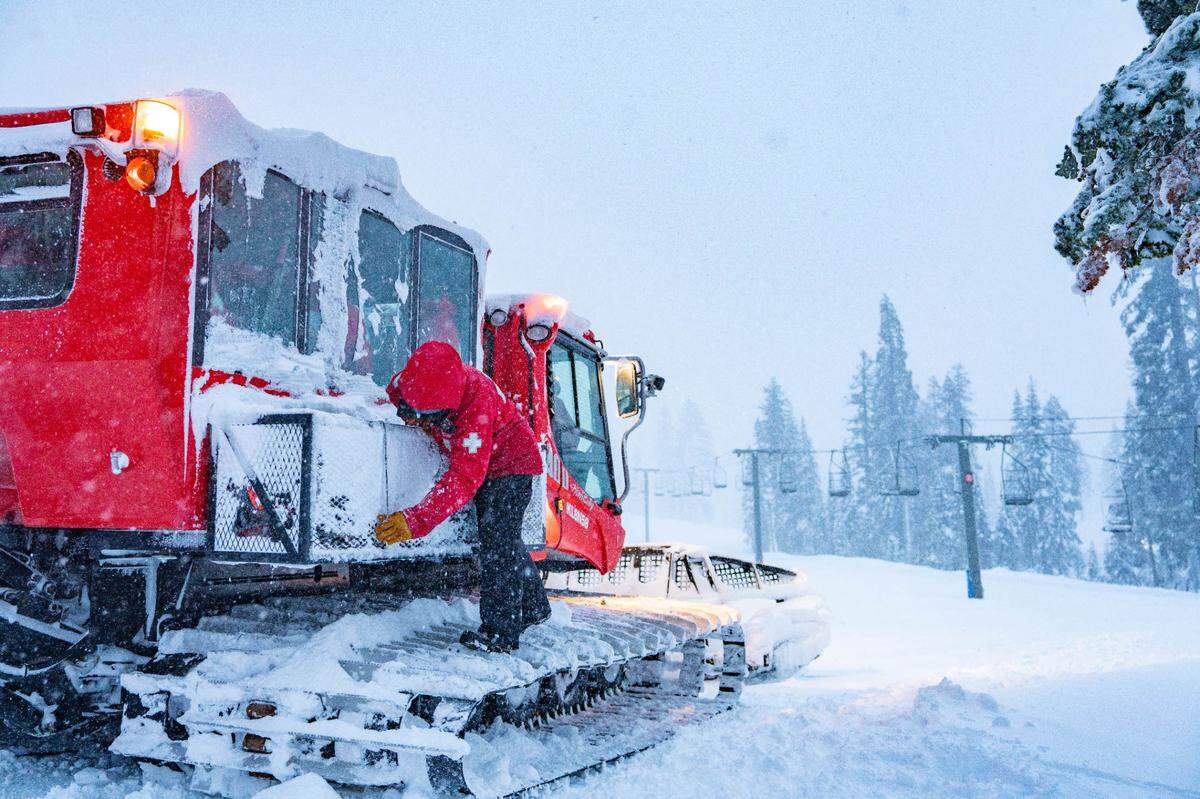
As of March 1, the central Sierra Nevada had received 232.68 inches of snowfall, about 10% below the median level for that time of year, according to data from the UC Berkeley Central Sierra Snow Laboratory. The area normally sees 259.25 inches by the beginning of March.
By Thursday, March 20, snowfall in the region had increased to grew to 308.07 inches, less than 2% below the median, the snow lab said.
As of Thursday, March 19, California’s snowpack was at 97% of normal levels, according to data from California Department of Water Resources, while the northern Sierra Nevada snowpack was at 113% of normal.
The snowpack typically peaks April 1.
Though the Sierra snowpack increased significantly in March, it’s unlikely California will see another Miracle March in 2025, according to Andrew Schwartz, director of the Central Sierra Snow Lab.
“This year (is) a little below average” in terms of precipitation, Schwartz said.
“People love Miracle March,” Schwartz said. “Miracle March is this idea that March is somehow going to make up for this big lack of snowpack throughout the season by having these big storms come in, one right after the other.”
Although “those types of Marches have occurred in the past,” he said, “This one realistically, has been a pretty average March.”
Why is mountain snow important for Northern California?
Melting snow from the Sierra Nevada fills lakes and reservoirs in Northern California that cities including Sacramento rely on for water during the warmer months, Kurth said.
Folsom Reservoir, Oroville Lake and Shasta Lake all play a key role in regulating water supply, especially during dry summers and droughts, according to the Public Policy Institute of California.
“Why that snow pack is so important is that that’s kind of a ‘frozen reservoir,’ “ Kurth explained. “As we get later through the spring and summer months, that water eventually (melts and) goes down streams and rivers.”
That “helps refill and replenish those reservoirs as water is drawn out of them,” he explained, because “they can only hold so much.”
As of Thursday, California’s two largest reservoirs — Shasta Lake in Shasta County and Lake Oroville in Butte County — were at 86% and 86% capacity, respectively, according to the California Department of Water Resources.
Folsom Lake east of Sacramento was at 70% capacity, state data indicated.
According to the state water resource agency, San Luis Reservoir in Merced County was at 88% capacity, and Pine Flat Lake in Fresno County was at 62% capacity.
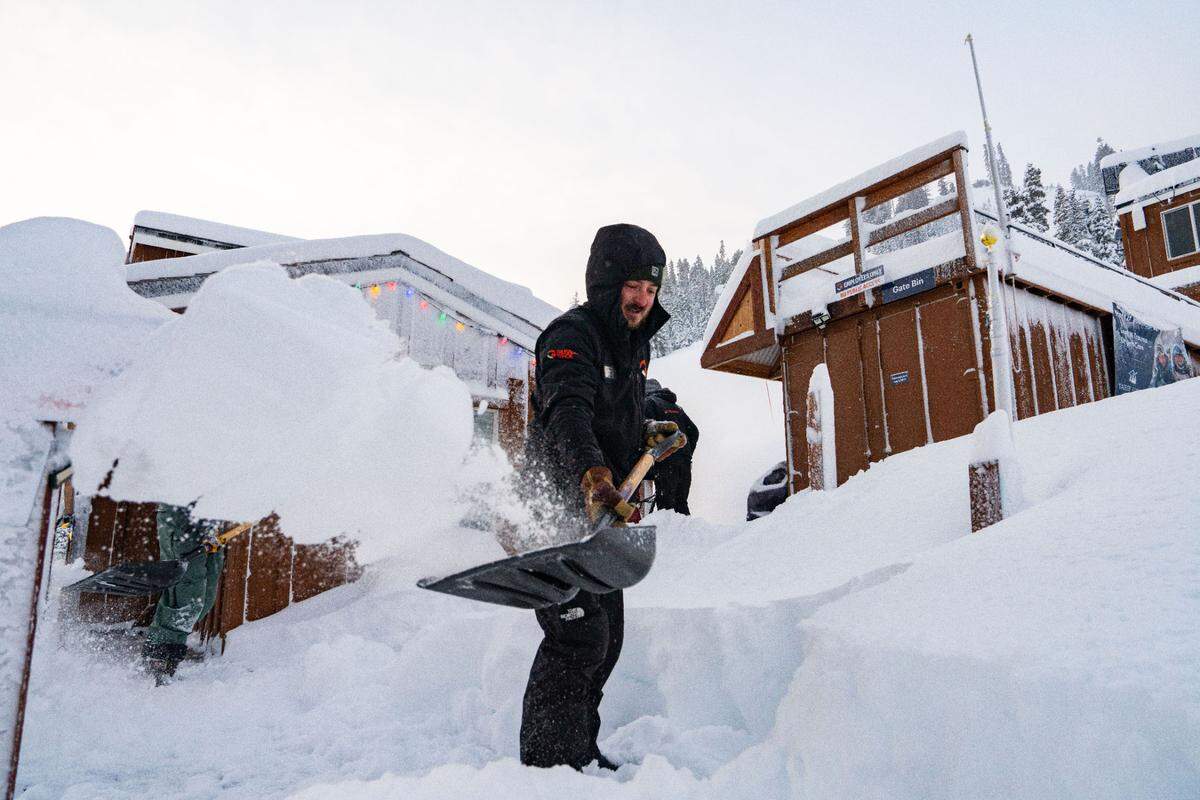
As of Thursday, more than half of California was under drought conditions, according to the U.S. Drought Monitor.
About 57.1% of the state was “abnormally dry,” including parts of Fresno, Merced and Stanislaus counties, the drought monitor found, while 39.8% was under “moderate drought conditions.
About 24.7% of California was under “severe drought” conditions, 11.7% was under “extreme drought” conditions and less than 1% of was under “exceptional drought” levels.
According to Schwartz, the Sierra Nevada saw above-average snowfall over the previous two water years, so there’s no reason to worry about the slight drop in snowfall in 2025.
Northern California would be in “a lot more of a dire situation” without that extra water, he said.
“Ideally we’d like that additional water so we don’t have to dip into our reservoir storage as much but it’s not the end of the world,” he said.
What’s in the forecast for spring weather?
The Sierra Nevada is expected to dry out as March comes to a close, Schwartz said, with snow flurries slowing down.
Northern Calfornia will see above-normal temperatures and precipitation in late March, according to the National Oceanic and Atmospheric Administration’s Climate Prediction Center, while the region can expect near-normal temperatures and equal chances of above- or below-normal precipitation in April.
Weather in Sacramento will transition from sunny to wet in late March, with temperatures staying on the cooler side, according to the Old Farmer Almanac’s 60-day extended forecast.
Sacramento will be on the sunny and warmer side from April 1 to April 12, the forecast said, while the capital region will see “a few showers” and chilly temperatures later in the monoth.
Later in April, Sacramento will likely see sunny and warm weather with above-normal temperatures, according to the Old Farmer’s Almanac.
What does this mean for Tahoe-area ski resorts?
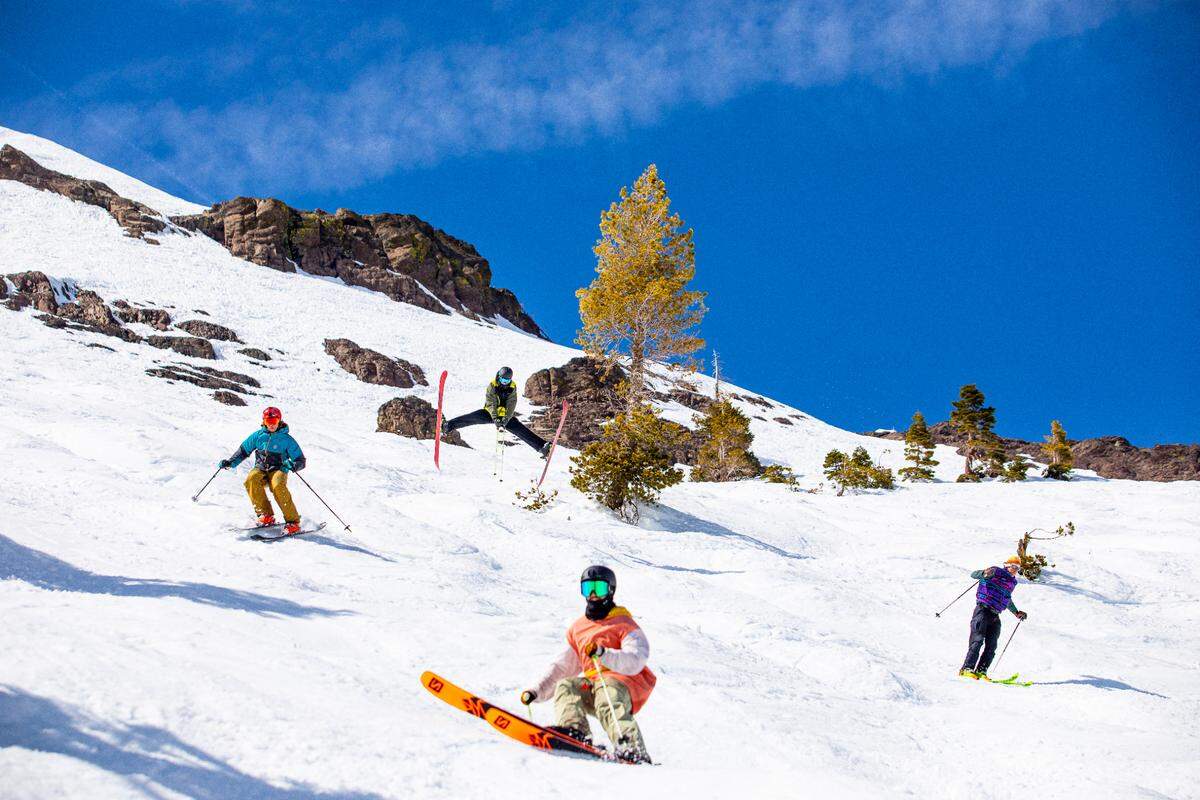
Skiers and snowboarders should expect an exciting next few months in the greater Lake Tahoe region, according to Patrick Lacey, public relations manager for Palisades Tahoe ski resort.
As of Wednesday, the Olympic Valley ski resort had received a total of 326 inches of snow to date this winter sports season.
Diamond Peak ski resort had received a total of 198 inches of snow so far in the season, while Ski Heavenly resort had 205 inches of snowfall to date.
“This means that we are right on track to stay open until Memorial Day,” Lacey told The Sacramento Bee via text on Wednesday.
Areas in Tahoe are available for snowshoeing and snow tubing with snow starting at 3 ft, according to Tahoe Snowshoe Tours.