
What is tule fog? Central Valley weather phenomenon explained
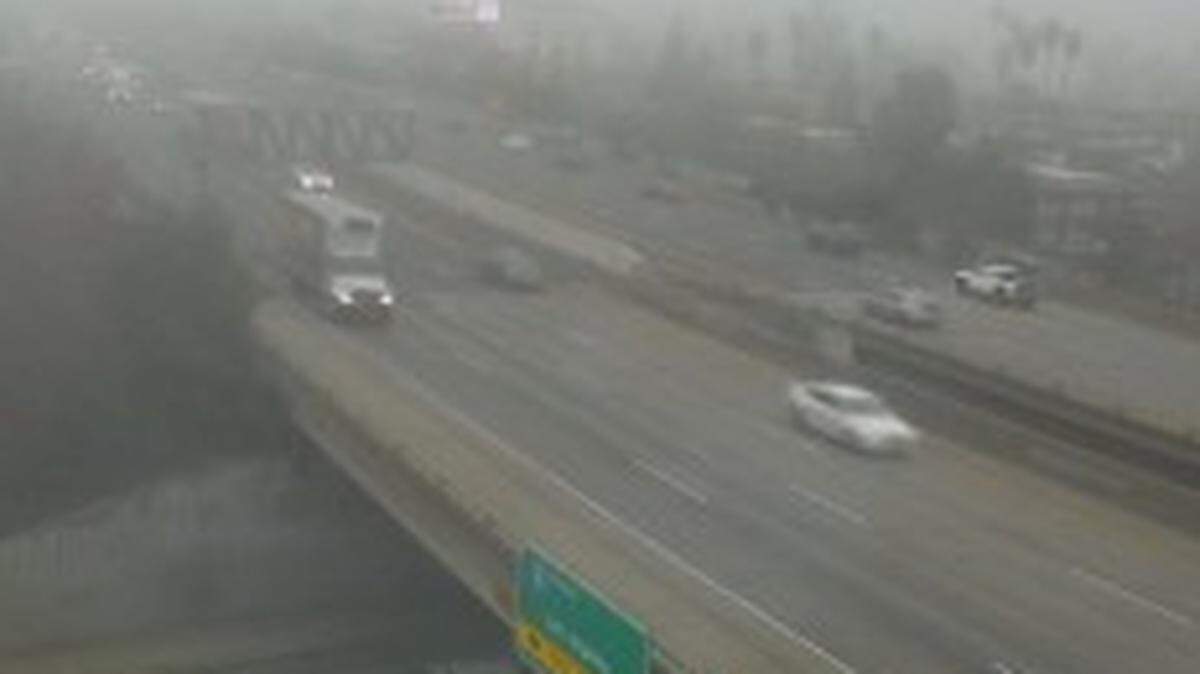
What’s behind all the fog slamming Sacramento and the Central Valley this winter?
Known as tule fog, the weather phenomenon has hit the Central Valley with day after day of thick morning fog, prompting daily advisories, the National Weather Service said.
In December, Sacramento and the Central Valley experienced a record 22 days with little to no sun, The Sacramento Bee previously reported.
Here’s what to know about tule fog:
What is tule fog?
According to NASA, this weather phenomenon is called tule fog, named after a marsh plant that grows in the region.
Tules are a type of bulrush found in wetlands across California, Bay Nature said.
“They supported vast flocks of waterfowl and herds of elk, and were central to the economy and culture of native peoples like the Wintun and the Yokuts,” the site said.
But most tule marshes in California are now lost to development.
What causes Central Valley weather phenomenon?
These low-lying clouds typically form in the valley during the colder months when winds are light and the soil is moist.
Tule fog becomes especially dense when moist marine air, calm winds and clear skies come together.
“The Central Valley is fertile ground for the formation of tule fog, a persistent radiation fog, in late autumn and winter,” NASA said.
Jan Null is a former National Weather Service forecaster in Northern California and current professor of meteorology at San Jose State University.
“The perfect recipe for radiation fog ... is for there to be low-level moisture, clear skies and light winds,” Null said.
Null said Sacramento’s early fall weather patterns caused a perfect storm for a particularly heavy fog year.
When do we see tule fog?
These weather patterns are common from November through February.
“Researchers have found, however, that tule fog has been forming less often in California in recent decades,” NASA said.
How does tule fog affect crops in California?
Citrus grower Eric Schmidt with Ess Farms near Fresno told KSEE-TV, the NBC affiliate in Fresno, the persistent fog this year is causing problems for growers.
“We’ve had frost. We’ve had floods. We’ve had drought, all these different things, but we’ve never seen what we’re seeing. At least I haven’t,” Schmidt said.
Scarred and blemished grapefruits and blood oranges are falling off his trees, Schmidt told KSEE.
Driving in foggy conditions
The National Weather Service urges drivers to be cautious in dense fog. Here are some tips.
- Take extra caution when on the road or avoid driving if possible. If you must drive in foggy conditions, keep the following safety tips in mind, the National Weather Service said:
- Slow down and allow extra time to reach your destination.
- Make your vehicle visible to others both ahead of you and behind you by using your low-beam headlights since this means your taillights will also be on. Use fog lights if you have them.
- Never use your high-beam lights. Using high-beam lights causes glare, making it more difficult for you to see what’s ahead of you on the road.
- Leave plenty of distance between you and the vehicle in front of you to account for sudden stops or changes in the traffic pattern.
- To ensure you are staying in the proper lane, follow the lines on the road with your eyes.
- In extremely dense fog where visibility is near zero, the best course of action is to first turn on your hazard lights, then simply pull into a safe location such as a parking lot of a local business, and stop.
- If there is no parking lot or driveway to pull into, pull your vehicle off to the side of the road as far as possible. Once you come to a stop, turn off all lights except your hazard flashing lights, set the emergency brake, and take your foot off of the brake pedal to be sure the tail lights are not illuminated so that other drivers don’t mistakenly run into you.
The Modesto Bee’s Angela Rodriguez and The Sacramento Bee’s Camila Pedrosa contributed to this story.
This story was originally published January 21, 2026 at 9:08 AM.